|
Can't read this email?
View it in a browser.
|
|
|
|
| |
|
Editor's Note
Dear ISB Community,
Welcome to the latest edition of our newsletter. In this issue, we bring together a set of conversations, collaborations, and thought leadership that examine how businesses and institutions are navigating critical transitions in technology, leadership, and enterprise transformation.
Over the past few months, our Learning Tables have continued to attract top leaders from industry, academia, startups, and government to address critical transitions across DeepTech adoption, semiconductor ecosystems, and healthcare transformation. These conversations focused on a shared challenge: how to move beyond experimentation and fragmented efforts toward scalable execution, stronger collaboration and measurable impact.
|
|
We also deepened our work on enterprise transformation through focused conversations on family businesses and SMEs, exploring how firms can strengthen innovation capacity, build resilience, and scale in increasingly complex market environments. These discussions reinforced that competitiveness today depends not only on strategy, but on the ability to adapt, collaborate, and innovate continuously.
|
|
A key milestone this quarter was the successful completion of the LATITUDE program, developed in collaboration with ANSR, which brought together 32 emerging GCC leaders to build strategic, operational, and leadership capabilities for India's rapidly evolving Global Capability Centre ecosystem. The program reflects CBI's continued commitment to leadership development as a critical lever for institutional and economic growth.
|
|
Our international dialogues on fintech innovation and digital public infrastructure expanded these conversations into broader global and policy contexts. Through our media and podcast engagements, we explored themes of leadership, AI, competition, and business ecosystems. Together, these efforts strengthened the bridge between academic research and industry practice. |
|
Thank you for being part of this growing community of learners and collaborators. We look forward to continuing these conversations and shaping new pathways for innovation-led growth together.
|
Best regards,
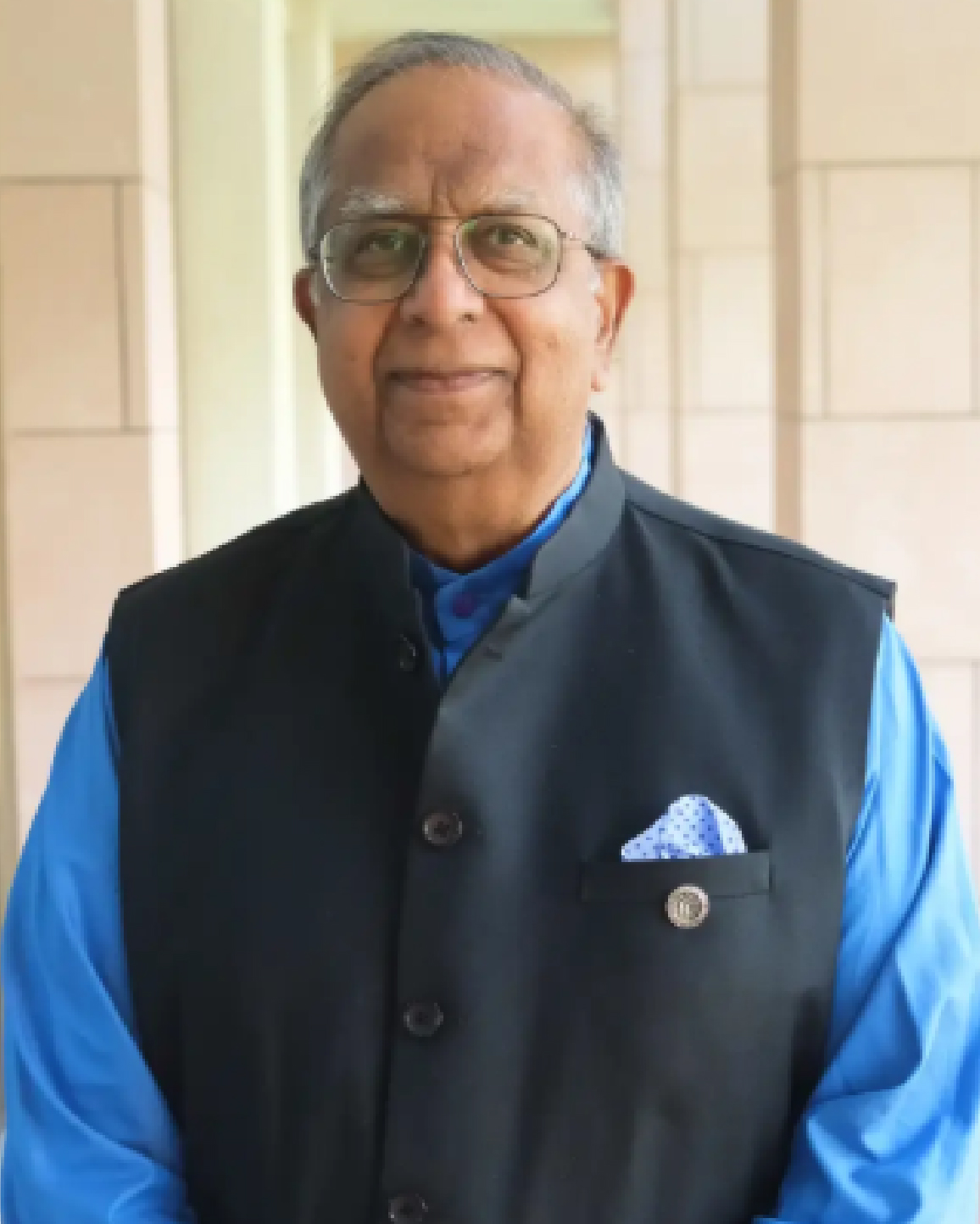
Prof. Rajendra Srivastava
Executive Director, Centre for Business Innovation
Indian School of Business
|
|
|

|
| |
|
The Outlook Business cover story titled “Can Maruti Reinvent Itself for India’s Next Mobility Wave?”, co-authored by Professor Rajendra Srivastava, Annabel Dsouza and Aman Rajeev Kulkarni, examines how legacy driven decision-making can become a barrier to future relevance, using Maruti Suzuki as a case study in business leadership to highlight the importance of strategic reinvention and innovation for sustaining long-term competitiveness. |
|
In the family business domain, the Business Today article titled “What is the one risk family businesses can’t afford?” captures how legacy enterprises risk stagnation when innovation is delayed, drawing on CBI’s family business report to highlight adaptation, strategic ambition and ecosystem building as critical to long-term growth. |
|
The Forbes India cover story titled "Help At Hand" explores how tech-enabled home service platforms are formalising domestic work in urban India, featuring insights from Professor Rajendra Srivastava on shifting consumer behaviour, time scarcity and the rise of high frequency, on-demand service models.
|
|
The Mint article titled "Can ITC Foods Replicate Its Aashirvaad Success?" examines ITC's efforts to extend its food portfolio beyond Aashirvaad, featuring insights from Professor Rajendra Srivastava on the structural complexities of food branding, category expansion and consumer-driven growth in India's packaged foods market.
|
|
In the business and consulting domain, the Financial Express article “Is AI a friend or a foe?” highlights how AI is reshaping the consulting industry by automating routine tasks and augmenting human expertise. Professor Rajendra Srivastava explains how AI is shifting consulting from a headcount driven model to one focused on human-led, tech-enabled value creation, while also underscoring the evolving skill requirements for future professionals. |
|
"Sahyadri Farms to expand to southern states," featured in The Hindu Business Line, explores the expansion strategy of one of India's leading farmer cooperatives and the growing potential of organised horticulture markets, with insights from Prof. Rajendra Srivastava.
|
|
In the article, "When AI Joins the Product Team, Will Leadership Still Drive Innovation?", published in California Management Review and authored by CBI Research Associate Shivam Srivastava, highlights how AI is transforming product innovation by accelerating experimentation and execution while reinforcing the critical role of leadership in setting strategic direction and accountability.
|
|
In governance related aspects, the editorial titled “How AI could reshape grievance redressal in India”, co-authored by Ramesh Kotnana and Shruti Mantri published in Forbes India, explores how artificial intelligence is transforming India’s grievance redressal systems by improving efficiency, reducing resolution timelines and strengthening citizen-government trust. |
|
The BW Education article titled "Rise of B Schools: From Domestic Institutions to Global Contenders", co-authored by Ramesh Kotnana, S. Ramakrishna Velamuri and Mylavaram Chandra Shekar, examines the transformation of Indian business schools into globally competitive institutions. The piece explores the role of curriculum reform, international benchmarking, research excellence, and institutional expansion in strengthening India's position as an emerging global hub for management education.
|
|
Under manufacturing and industrial policy, the article titled "Here's how India Emerged as a Global Manufacturing Hub for Apple in Just 10 Years", authored by Ramesh Kotnana and published in Marksmen Daily, explores how India's policy reforms, production linked incentives, and supply-chain diversification have accelerated its rise as a major electronics manufacturing hub, with Apple's expansion serving as a key example of this transformation.
|
|
Together, these articles reflect CBI’s continued focus on innovation, leadership and market transformation, offering research-led perspectives on how businesses and industries can adapt, reinvent and build lasting relevance in a rapidly evolving landscape. Multiple editorials and articles were also published in leading regional newspapers such as Eenadu, extending these conversations to wider and more diverse audiences. |
|
|
|
|
|
| |
|
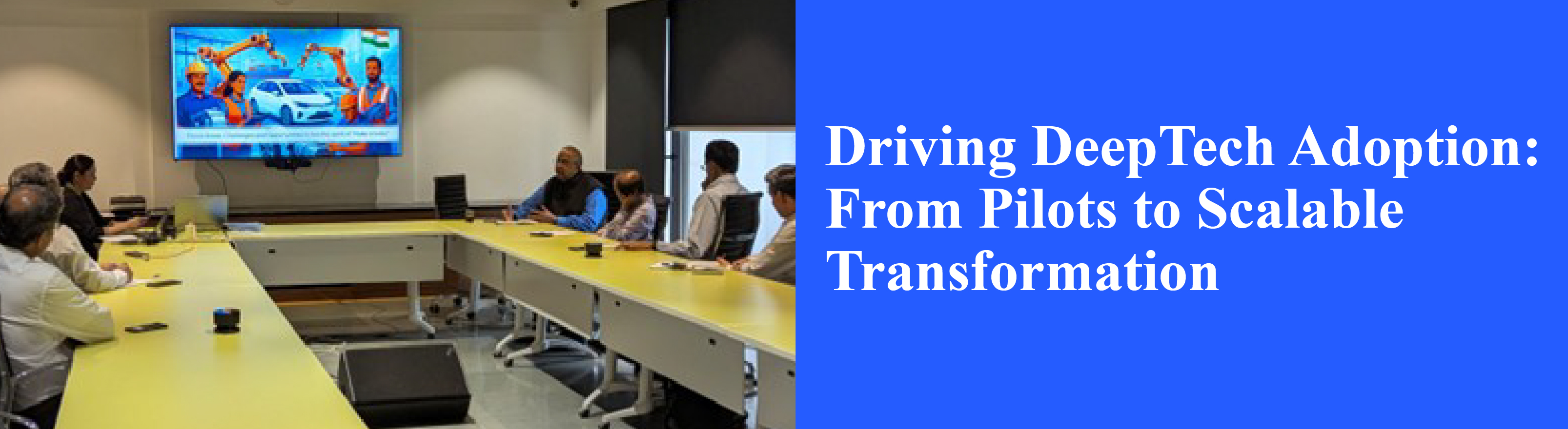
Held in October 2025, the Plugin Alliance Learning Table brought together leaders from automotive OEMs, DeepTech startups, and academia to address a critical question: how to move from pilot projects to scalable transformation. Hosted by the Daimler Truck Innovation Center India (DTICI) in Bengaluru, this session was attended by leading industry stalwarts from TVS Motors, ITC, as well as the vibrant startup community.
|
|
Chaired by Prof. Rajendra Srivastava, the discussion examined the realities shaping India's EV-ICE-hybrid transition, alongside gaps such as fragmented supply chains, proof-of-concept fatigue, and uneven adoption. Participants emphasised the need to move beyond isolated innovation toward more integrated, cross-functional collaboration.
|
|
The dialogue highlighted the role of technologies such as AI/ML, digital twins and intelligent systems in enabling scale, alongside stronger industry-academia partnerships to accelerate deployment. |
|
Key takeaways included facilitating factory immersion programs for students, pilot-to-scale pathways for DeepTech startups, cross functional working groups aligned to shared challenges and internal champions to drive enterprise-wide momentum. The session reinforced the need for sustained collaboration to translate innovation into outcomes leading to measurable industrial impact. |
|
|
|
|
|
| |
|
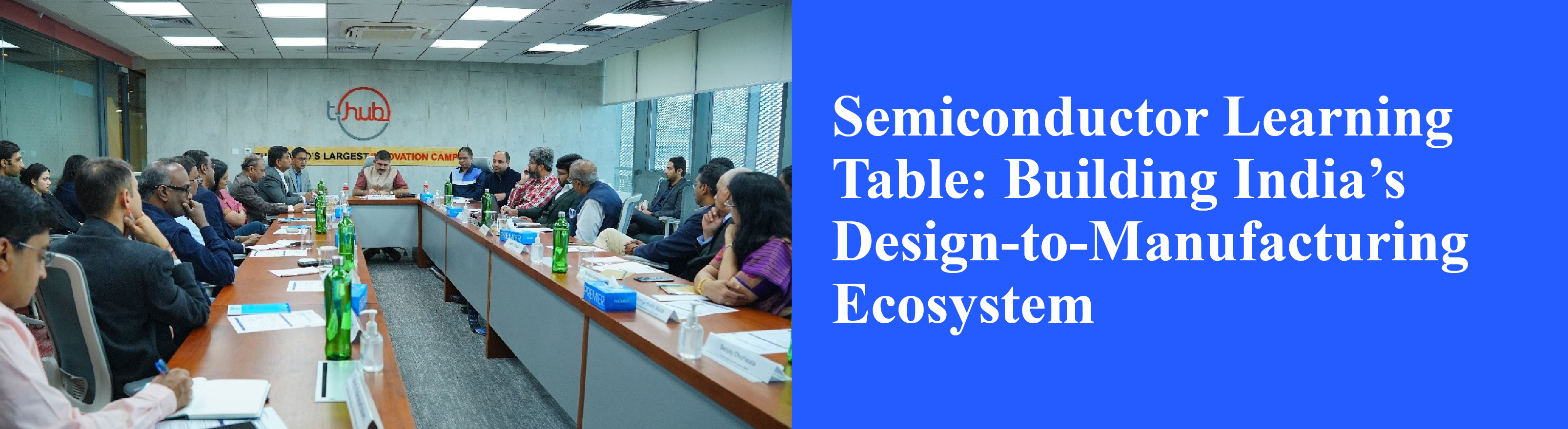
The ISB CBI in collaboration with the Electronics Wing, Information Technology, Electronics and Communications (ITEC) Department, Government of Telangana, convened a Learning Table on 20th December 2025 at T-Hub, Hyderabad, on the theme "Building India's Semiconductor Future: From Design to Manufacturing Self-Reliance."
|
|
Bringing together leaders from government, industry, academia and startups, the wide discussions focused on moving beyond fragmented investments toward a coordinated, ecosystem-wide approach. Three priorities emerged: strengthening cluster-based development, adopting a demand-led, applications first strategy anchored in sectors such as automotive, telecom, and healthcare and leveraging India's talent base across universities, GCCs and returning global experts.
|
|
Two panel discussions deepened this agenda. The first examined India's transition from design services to IP and product-led capabilities, alongside the role of proactive policy support in reducing early-stage investment risk. The second focused on building a skilled workforce, highlighting the need to integrate industry-led training, apprenticeships and applied learning pathways across VLSI, DFT, and manufacturing.
|
|
The session also marked the launch of a whitepaper from a Learning Table, anchoring a broader research agenda on semiconductor policy, ecosystem design and human capital development. Access the full report here ISB CBI - Whitepaper for Innovation
|
|
|
|
|
|
| |
|
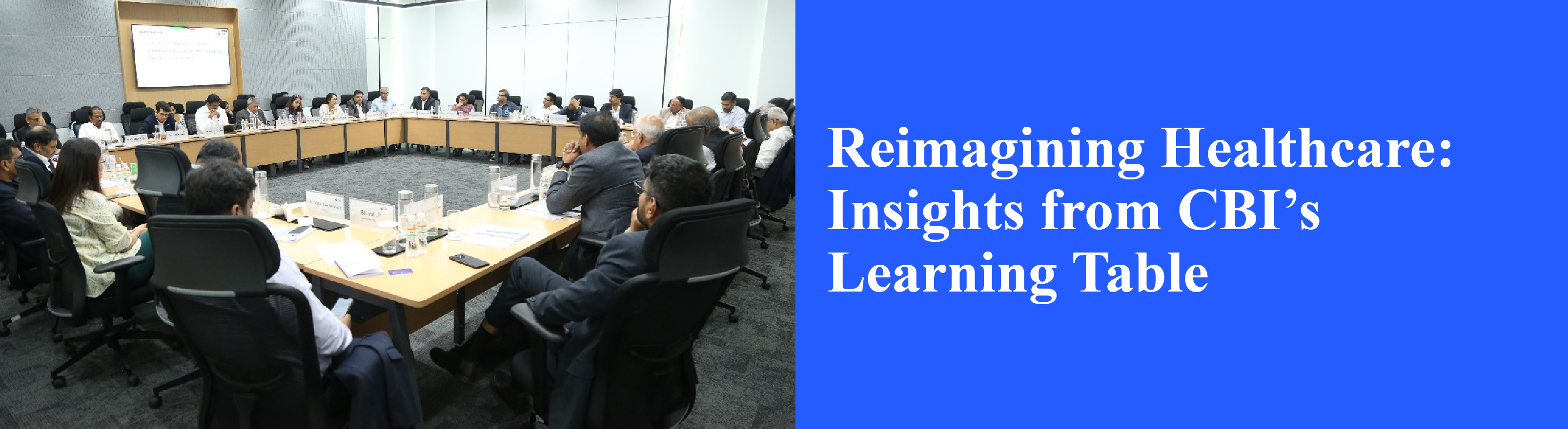
Digital innovation is rapidly reshaping healthcare operations, but its translation into clinical practice remains uneven. To examine this gap, ISB CBI convened a Healthcare Learning Table in February 2026, bringing together senior leaders across hospitals, health tech, pharma, consulting, government and academia around the theme “Technology and Processes in Private Healthcare: Lessons from India and What Lies Ahead.” |
|
Discussions highlighted the uneven pace of transformation. While AI and data-driven tools are improving operational efficiency by 10x: streamlining workflows, reducing friction in insurance processes and enabling predictive decision-making; its clinical adoption still remains cautious, driven by the need to preserve medical accountability. |
|
India's scale advantage also emerged as a key theme. High patient volumes create opportunities for continuous learning, yet this potential remains underleveraged due to fragmented systems, limited interoperability, and weak incentives for experimentation. The session was anchored by Prof. Rajendra Srivastava and Prof. D.V.R. Seshadri, in collaboration with Dr. Sreedevi Devireddy from the Indo-American Chamber of Commerce India, alongside a distinguished group of healthcare leaders.
|
|
|
|
|
|
| |
|
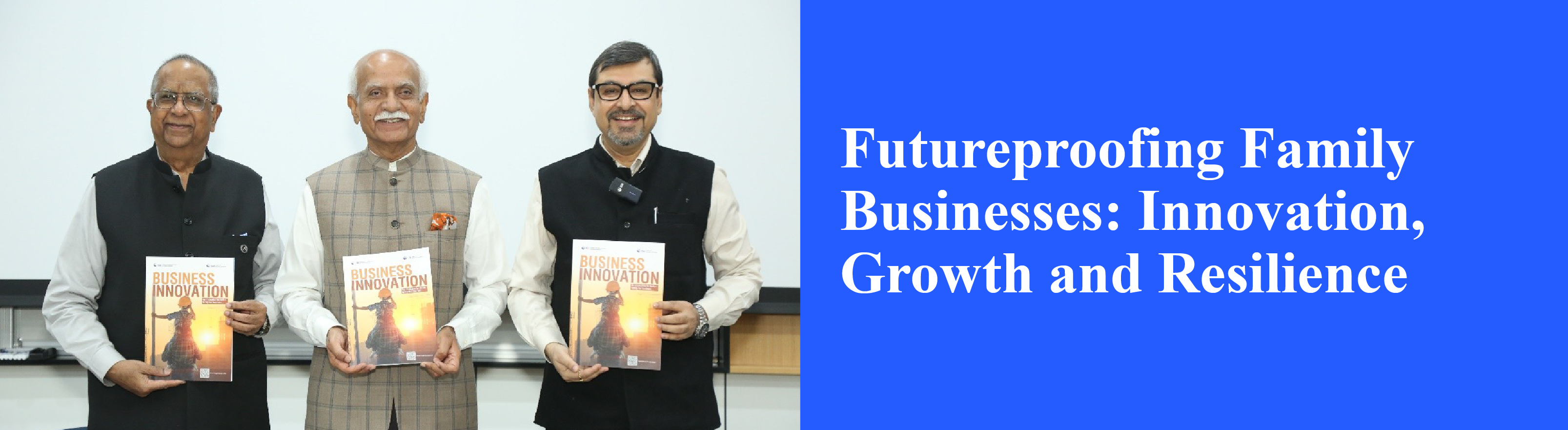
The ISB CBI in collaboration with the Thomas Schmidheiny Centre for Family Enterprise, convened leaders from industry, academia and family enterprises in February 2026, to discuss future ready business models and to mark the launch of its latest research report on Indian family businesses. |
|
At the core of this engagement was the launch of report, “Business Innovation: An Imperative for Indian Family Businesses”, based on a multi-sector study of 19 family led firms, mapping their innovation journeys across industries. The rigorous 18 months of research introduces the ARISE framework, outlining key priorities for future ready growth: including risk taking, business model innovation, execution at scale and ecosystem driven strategies. Access the full report here ISB CBI - Whitepaper for Innovation |
|
The conference featured a keynote address by Dr. BVR Mohan Reddy, Founder Chairman and Board Member of Cyient, who emphasized the need for stronger innovation orientation and forward-looking leadership. A fireside chat with Prof. Rajendra Srivastava, along with a panel discussion featuring Prof. Sougata Ray, Prof. Madhu Viswanathan and Dr. Rama Iyer from GMR Group, examined how technology, AI and evolving leadership mindsets are reshaping family-led enterprises. The session also focused on how Indian family businesses can move beyond traditional performance metrics toward innovation-led, globally competitive growth. |
|
Together, the discussions and research underscore a clear shift: the future of family businesses will be defined not by legacy, but by their ability to innovate, adapt and scale in an increasingly complex global environment. |
|
|
|
|
|
| |
|
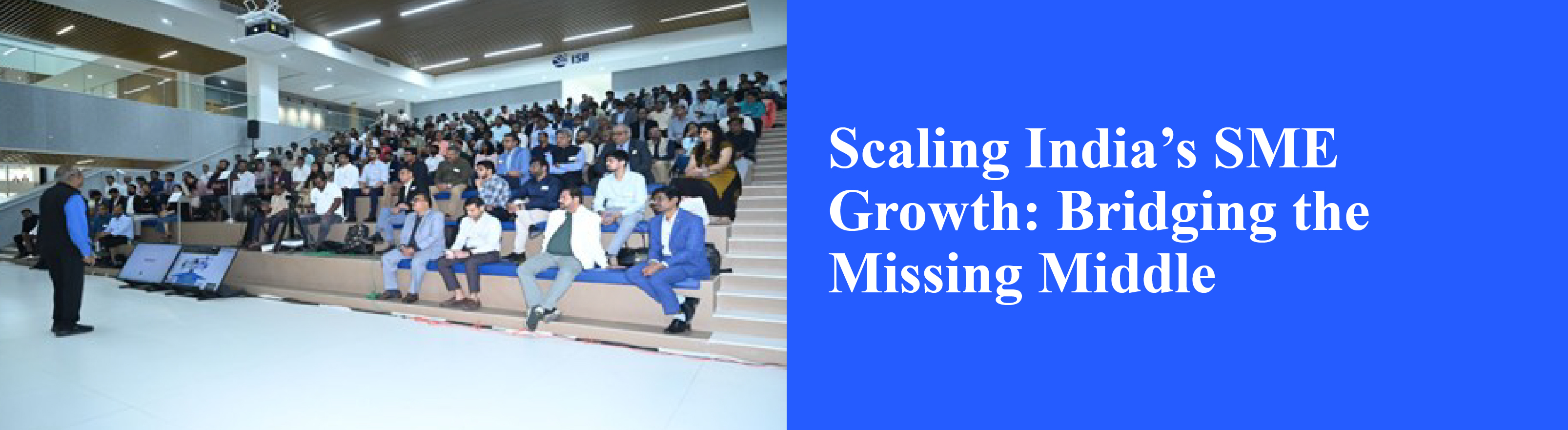
The ISB CBI in collaboration with NSE India, convened the ‘ScaleMe Network SME Growth Summit’ in Hyderabad hosted on 21st February 2026, to address a critical gap in India’s SME growth journey. India’s MSME sector contributes nearly 30% to GDP and over 45% of exports, yet mid-sized enterprises in the ₹25-₹100 crore range often face some unique challenges: lack of capital, absence of structured peer networks, actionable playbooks for leveraging latest technology and relevant advisory support. |
|
Unlike the early-stage startups or large corporations, this “missing middle” operates in relative isolation: navigating challenges such as building second line leadership, strengthening governance and achieving predictable cash flows without access to comparable peer learning environments. The summit brought together founders and leaders from organizations such as Zaggle, Naturals Salon & Spa, AU Small Finance Bank, NSE Emerge and many others enabling candid, experience-led discussions grounded in real business contexts. |
|
By fostering peer learning, practical insights and ecosystem connections, the initiative aims to support SMEs in scaling sustainably while maintaining operational discipline and long-term value creation.
|
|
|
|
|
|
| |
|
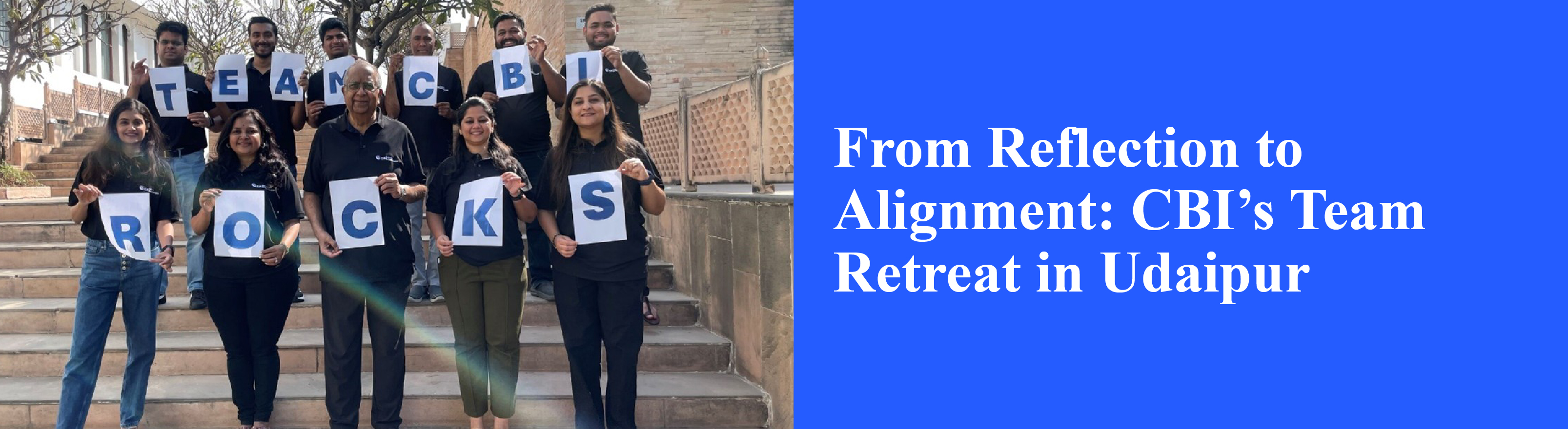
Team CBI organized a short retreat in Udaipur on 27th February, providing an opportunity for reflection, collaboration, and renewed alignment across the team. Set in the tranquil surroundings of the City of Lakes, the retreat offered a conducive environment to step back from day-to-day engagements and focus on collective purpose. |
|
The retreat combined structured strategy discussions with interactive sessions that encouraged open dialogue and idea exchange. Team members engaged in conversations reflecting on the “why” behind their work, while also strengthening interpersonal connections that support ongoing research and collaboration. The sessions fostered an atmosphere of mutual support, intellectual exchange, and candid discussion. The retreat concluded with renewed perspectives, stronger team cohesion and a reinforced commitment to collaborative, high impact work. |
|
|
|
|
|
| |
|
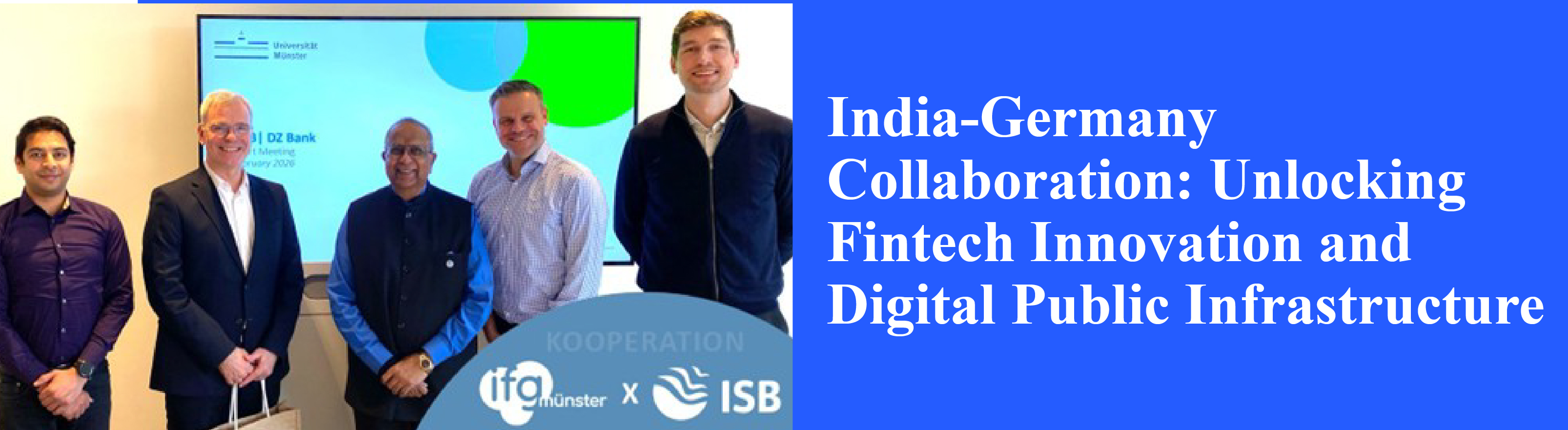
The ISB Centre for Business Innovation participated in a collaborative dialogue with Institut für Genossenschaftswesen at DZ Bank, Germany, focused on strengthening India-Germany economic and financial cooperation.
|
|
The discussion explored the potential of fintech innovation and Digital Public Infrastructure (DPI) to enable cross-border value creation. Prof. Rajendra Srivastava highlighted how India's digital stack can act as a force multiplier for financial inclusion, innovation, and scalable growth, particularly in the context of the evolving India-EU Free Trade Agreement.
|
|
Participants also examined how cooperative banking structures and institutional frameworks can support the translation of innovation into real economic outcomes, especially for small and medium enterprises. The dialogue underscored the importance of building interoperable systems and collaborative platforms to bridge ecosystems across geographies. The exchange reinforced the need for structured international partnerships to drive innovation-led growth and deepen financial collaboration between India and Europe.
|
|
|
|
|
|
| |
|
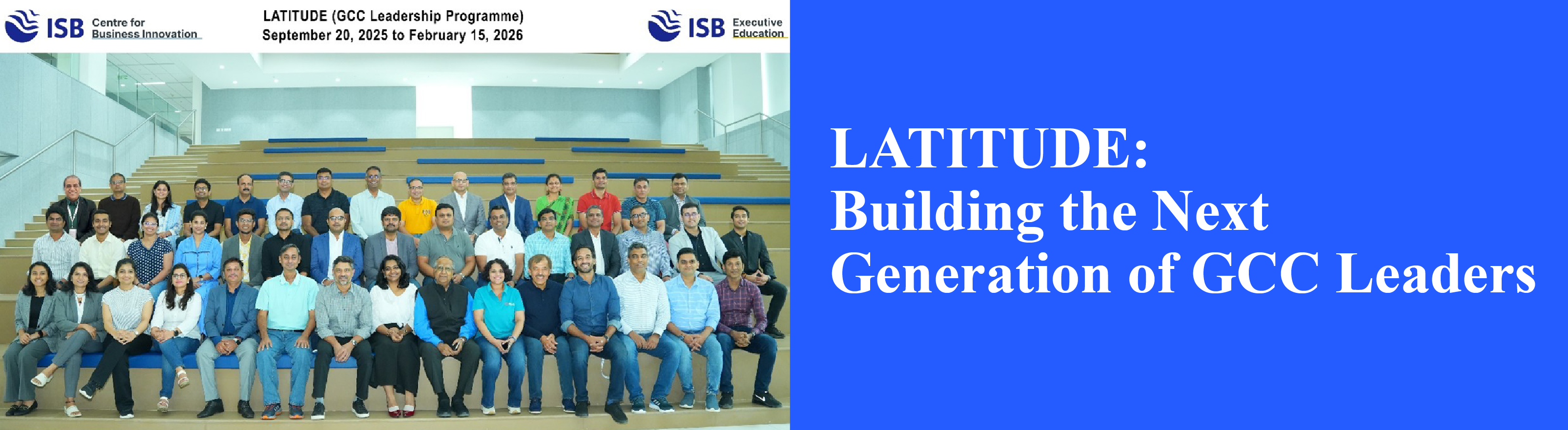
The ISB CBI, in collaboration with ANSR, successfully concluded the first cohort of the LATITUDE leadership program in February 2026. The program brought together 32 current and emerging GCC leaders to build strategic, operational and leadership capabilities for a rapidly evolving GCC landscape in India. |
|
Structured as a blended format for working professionals, the program included 13 days of on-campus learning at ISB and ANSR office across 6 immersive weekends, 6 live virtual sessions, and 2 experiential site visits to leading GCCs. Participants engaged with core themes such as enterprise strategy, innovation and transformation, talent and culture, stakeholder management, and GCC led value creation. A key emphasis of the program was applied learning, with participants translating insights into actionable strategies through capstone projects, peer learning and interactions with faculty and industry practitioners. |
|
As the first cohort concludes, LATITUDE marks a significant step in strengthening India’s GCC leadership ecosystem, enabling leaders to move from operational excellence to enterprise level strategic impact. Follow us on LinkedIn for more updates on the second upcoming cohort. |
|
|
|
|
|
| |
|
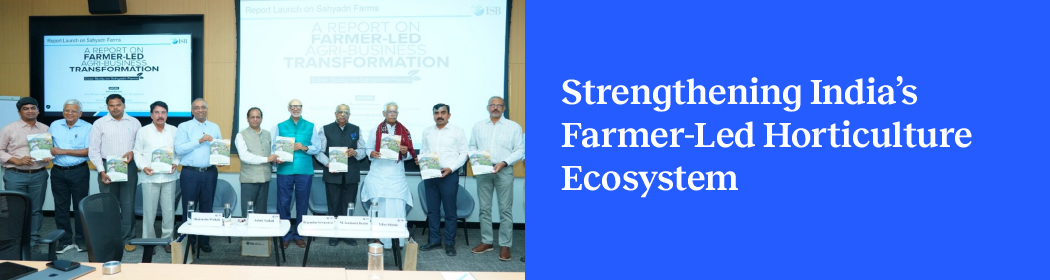
On 4th May 2026, the ISB CBI in collaboration with Sahyadri Farms, convened a Agritech Learning Table at the Hyderabad campus on the theme “Building a Global Farmer-Led Brand in Horticulture: Strategies for Scale, Trust and Market Leadership.” |
|
Bringing together around 70 delegates and leaders from agribusiness, academia, policymakers and farmer producer organisations (FPOs), the discussions examined how India’s horticulture sector can move beyond commodity-led growth towards stronger branding, consumer trust and integrated value-chain development. Key conversations focused on structural challenges including fragmented farmer networks, limited branding capabilities and low margin market structures, while highlighting ecosystem-led collaboration, federated branding and innovation driven scale as pathways for longterm sustainable growth. |
|
The session featured insights from Dr. Himanshu Pathak, Director General at ICRISAT, Dr. Ashok Gulati, Distinguished Professor at ICRIER, Mr. Vilas Shinde, Chairman & MD at Sahyadri Farms and Prof. Rajendra Srivastava, Executive Director at CBI. A case study and report on Sahyadri Farms and farmer-led agribusiness transformation was also released during the event. |
|
|
|
|
|
| |
|
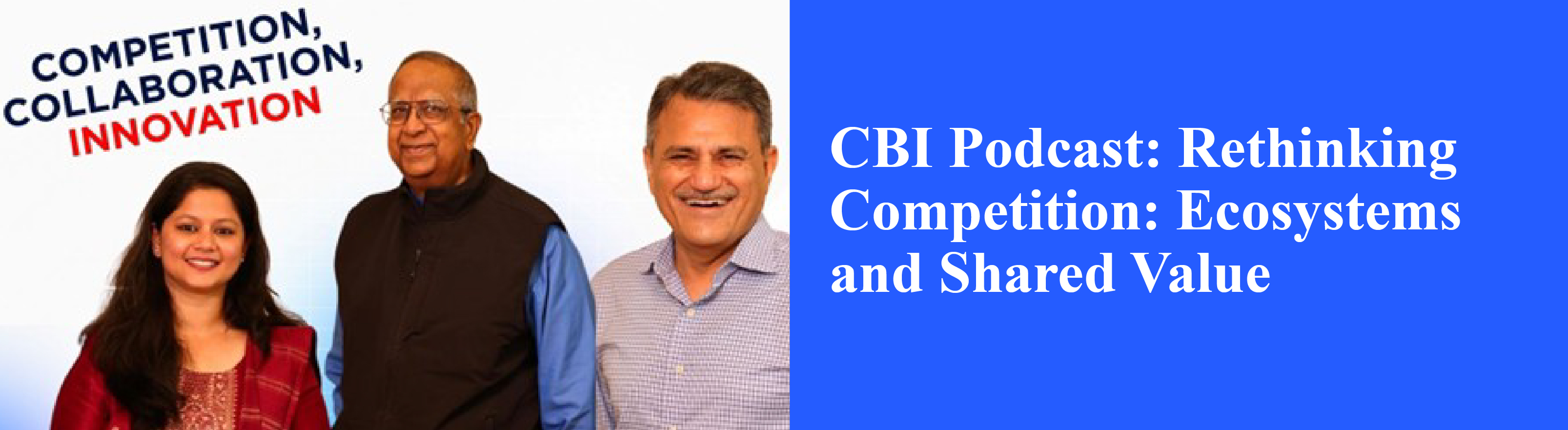
In this engaging podcast episode, Prof. Rajendra Srivastava speaks with Manoj Kohli, former MD and CEO of Bharti Airtel and International Growth Advisor and Business Transformation coach, on how competing firms can collaborate to drive scale and long-term value.
|
|
Picking up from the evolution of shared infrastructure models such as Indus Towers, the conversation highlights a shift from traditional competition to ecosystem-led growth, where partnerships enable efficiency, shared capabilities and mutual gains. This reflects a broader global shift, where intangible assets account for nearly 80-90% of enterprise value in leading economies.
|
|
A key theme is the growing dominance of intangible assets such as brands, intellectual property, human capital, and networks, which now underpin a significant share of enterprise value. Watch the full episode here India's Innovation Engine, the Airtel Story & Softbank Unicorn Factory — India 2030 Explained
|
|
Together, these insights point to a structural shift in how value is created and captured. Future-ready organizations will be those that build ecosystems, invest in intangible assets and move beyond traditional models of vertical integration. The conversation offers a compelling lens on how ecosystem-driven strategies will shape India's next phase of growth and global competitiveness.
|
|
|
|
|
|
| |
|
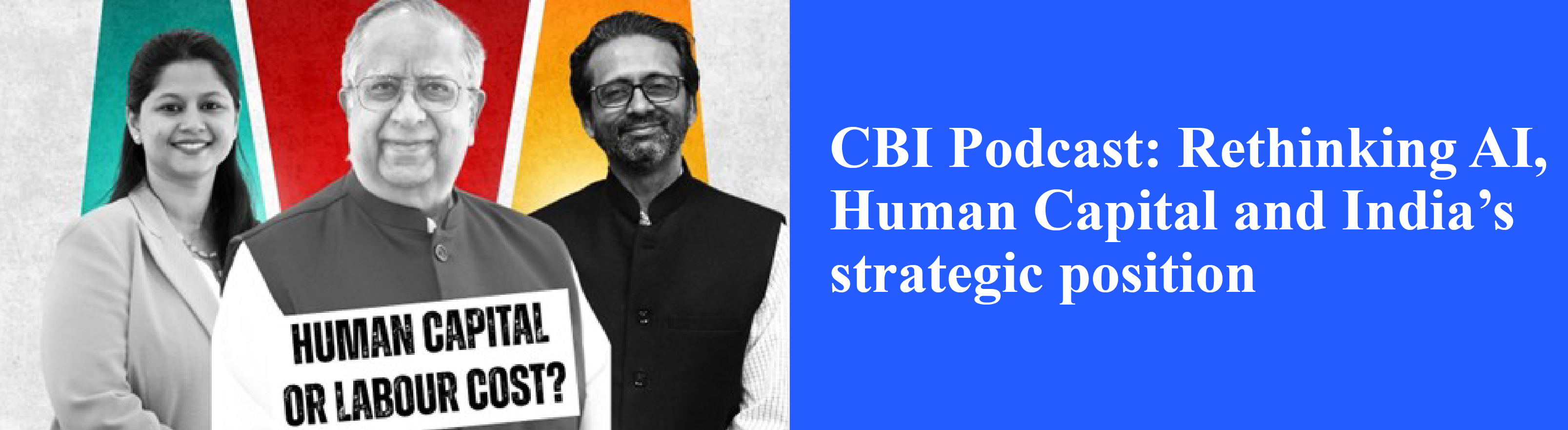
In this episode, Prof. Rajendra Srivastava speaks with Prof. Arvind Sahay, Director, and Professor of Marketing and International Business at the Management Development Institute (MDI) Gurgaon, on how AI led disruption is reshaping global labour markets and redefining the role of human capital.
|
|
The discussion challenges the dominant cost reduction narrative around automation, arguing for a shift toward strategic investment in human capital as the true driver of long-term value. Rather than replacing labour, AI is positioned as a catalyst for enhancing talent, productivity, and innovation.
|
|
It also examines India's evolving role in the global ecosystem that is moving beyond cost arbitrage to emerge as a hub for talent, innovation and soft power, driven by strengths in entrepreneurship and digital public infrastructure. The episode highlights a clear shift: in an AI-first world, competitive advantage will be defined not by automation alone, but by how effectively nations invest in and scale human capital.
|
|
|

|
|
Do you have ideas on how technology can be applied to industry to drive value for all stakeholders? Let's discuss how to work together to curate the next learning table and / or publication.
|
|
|
|