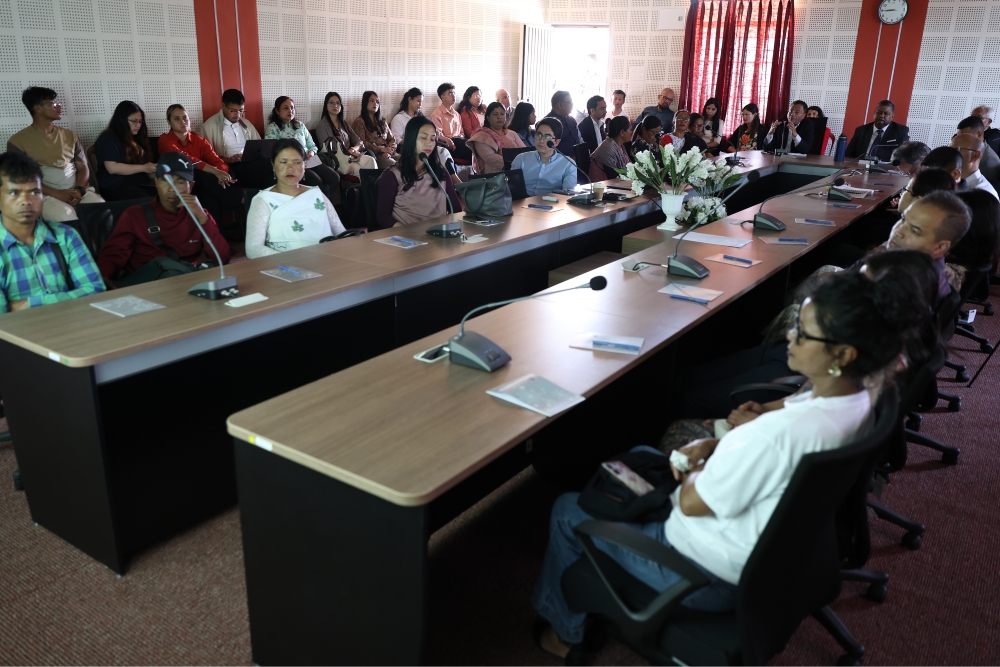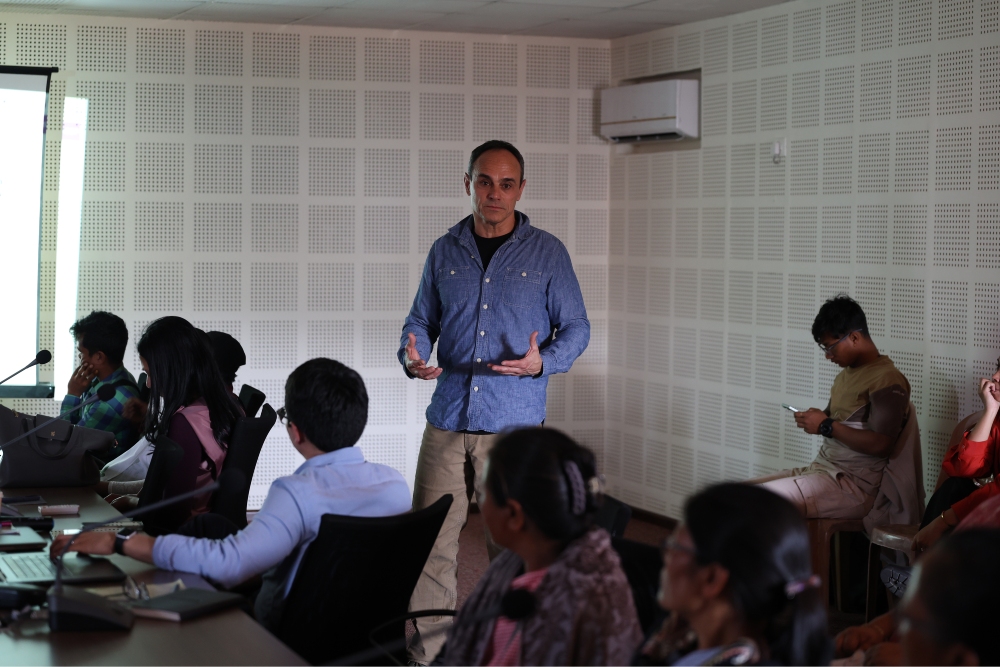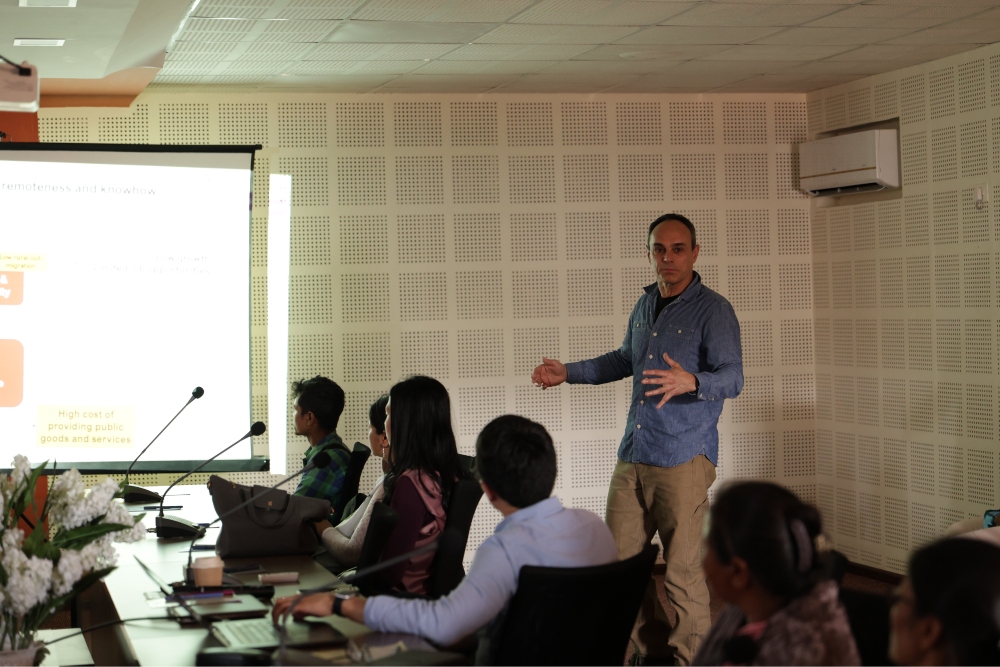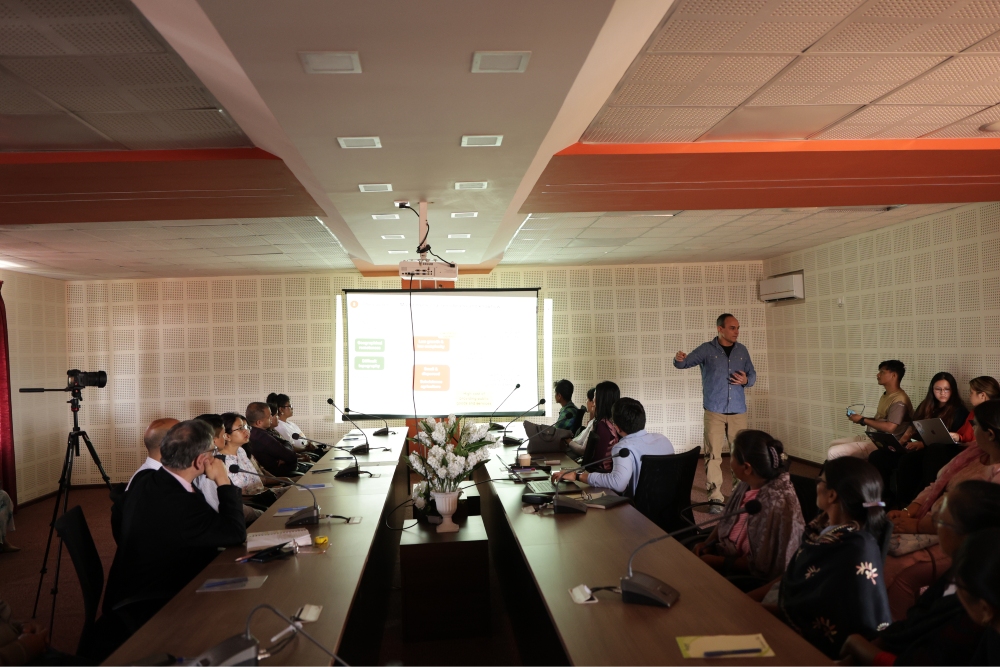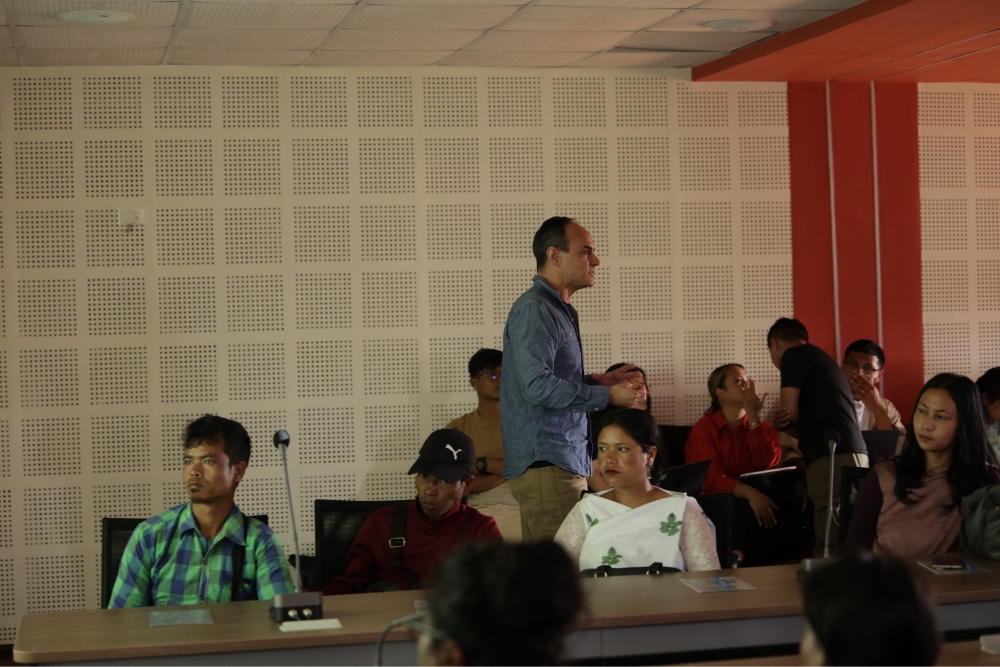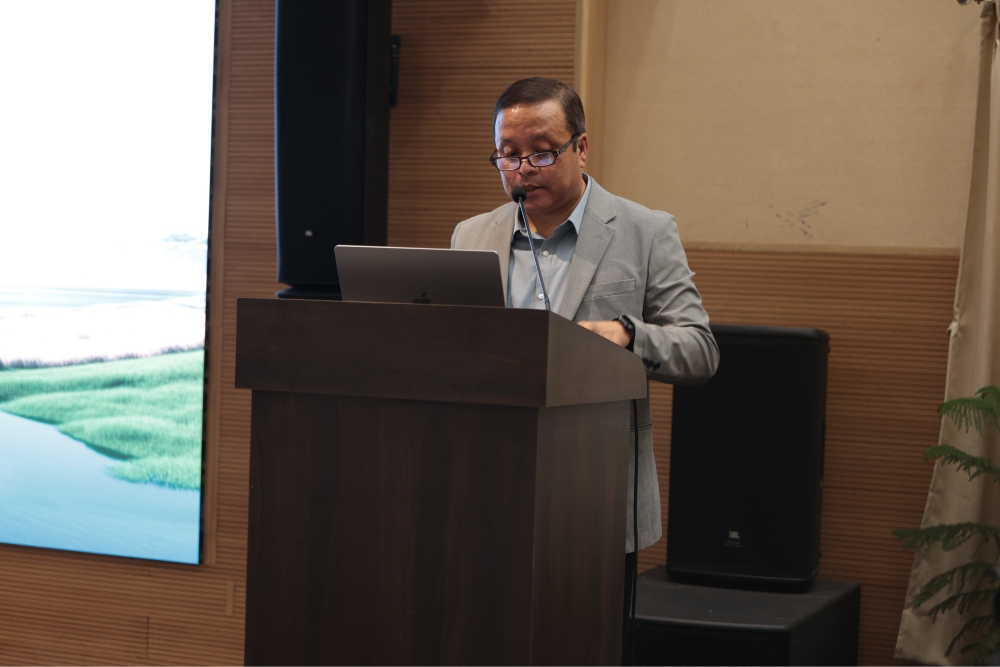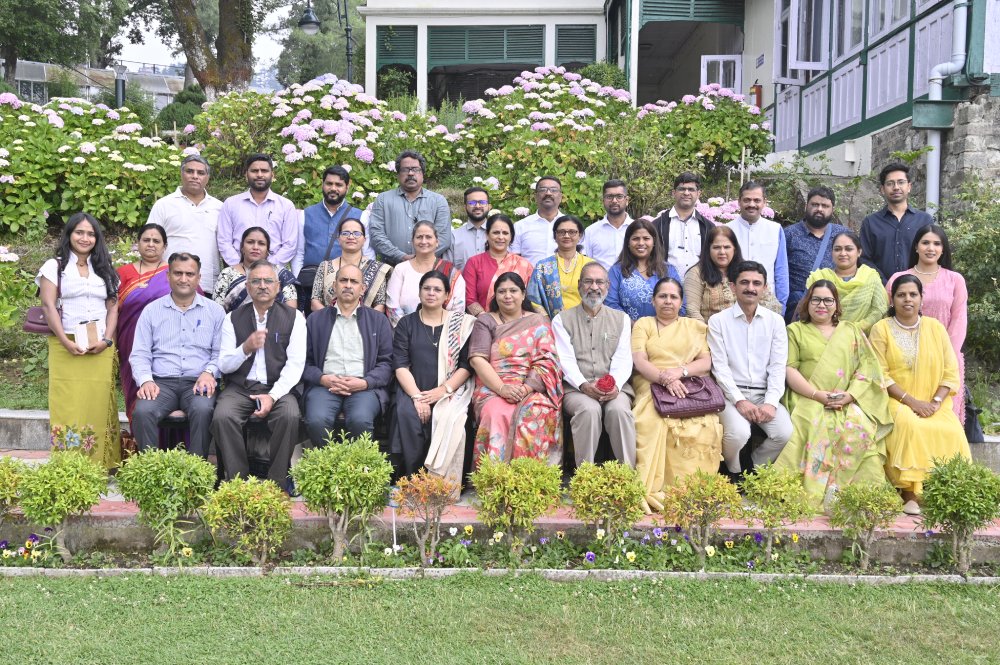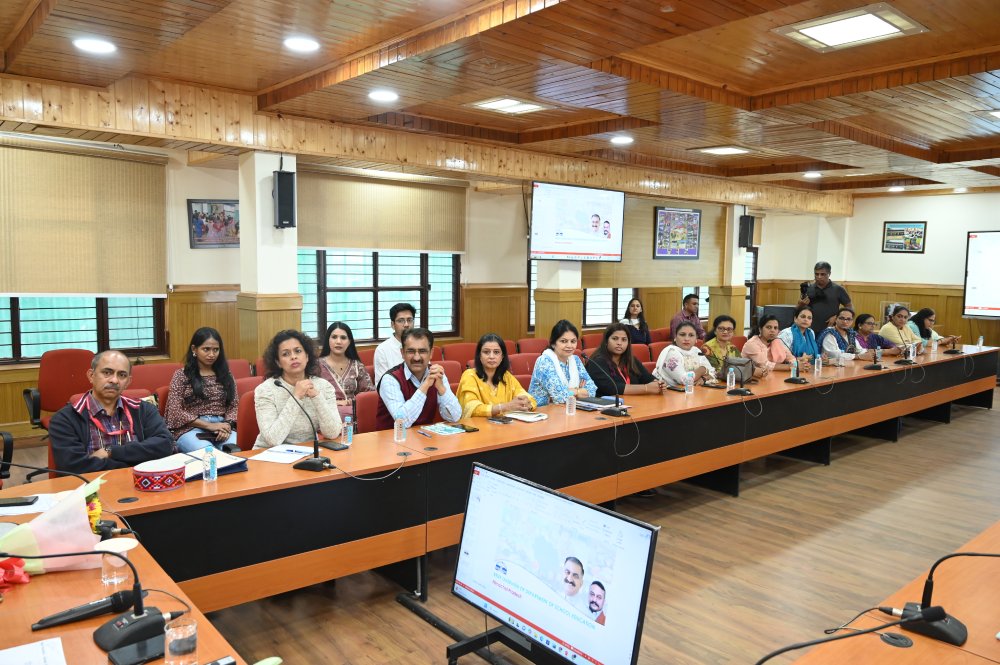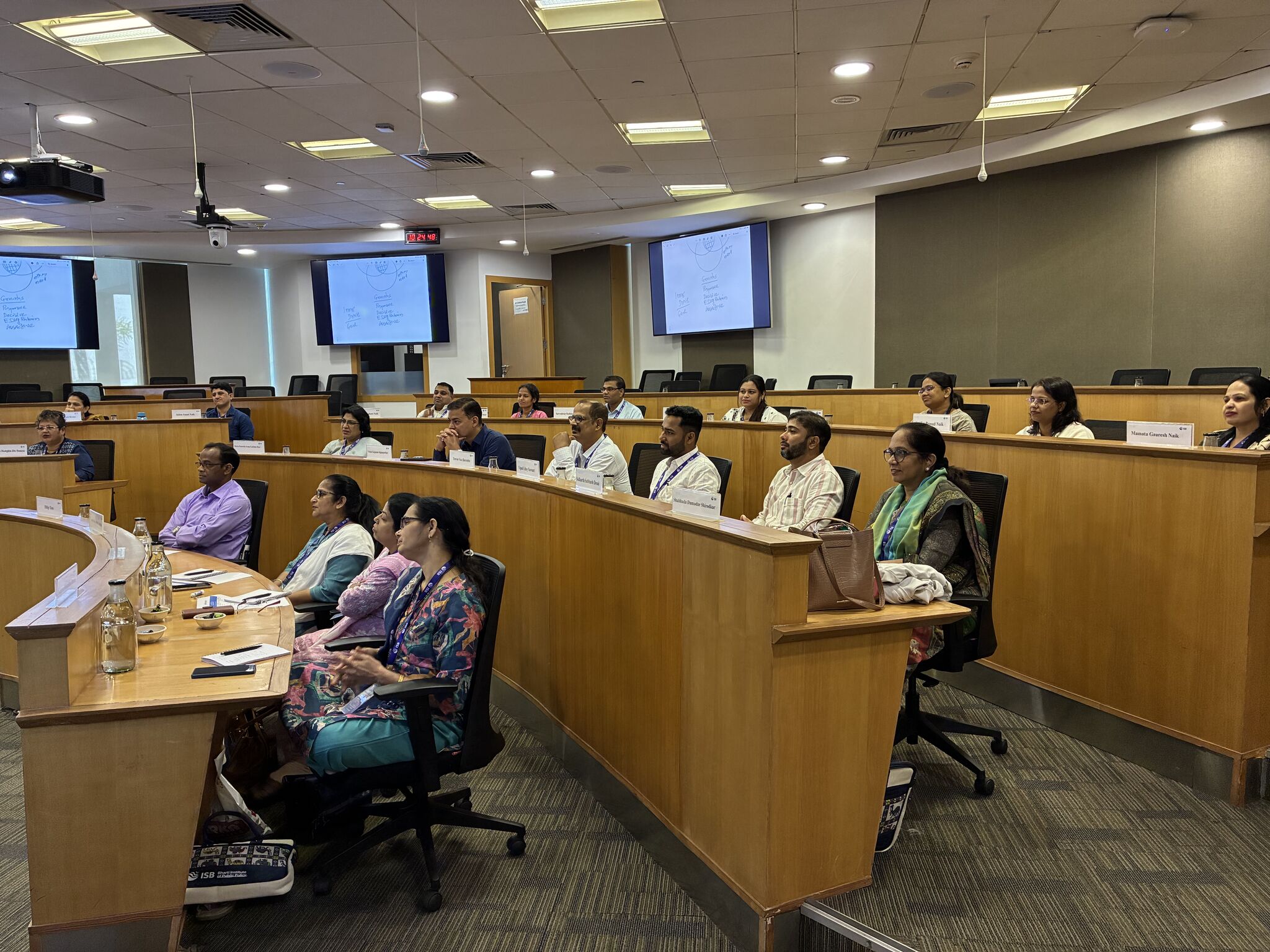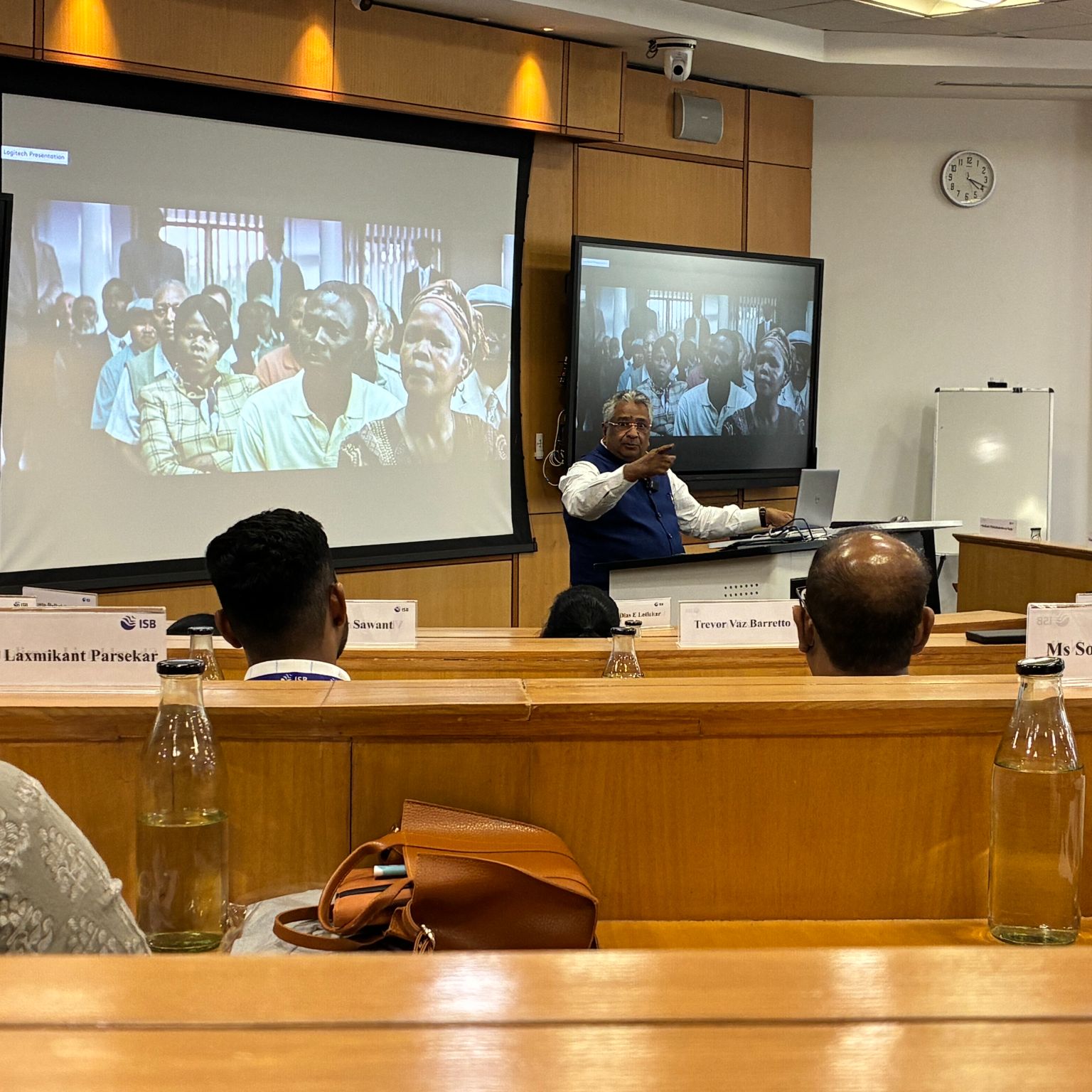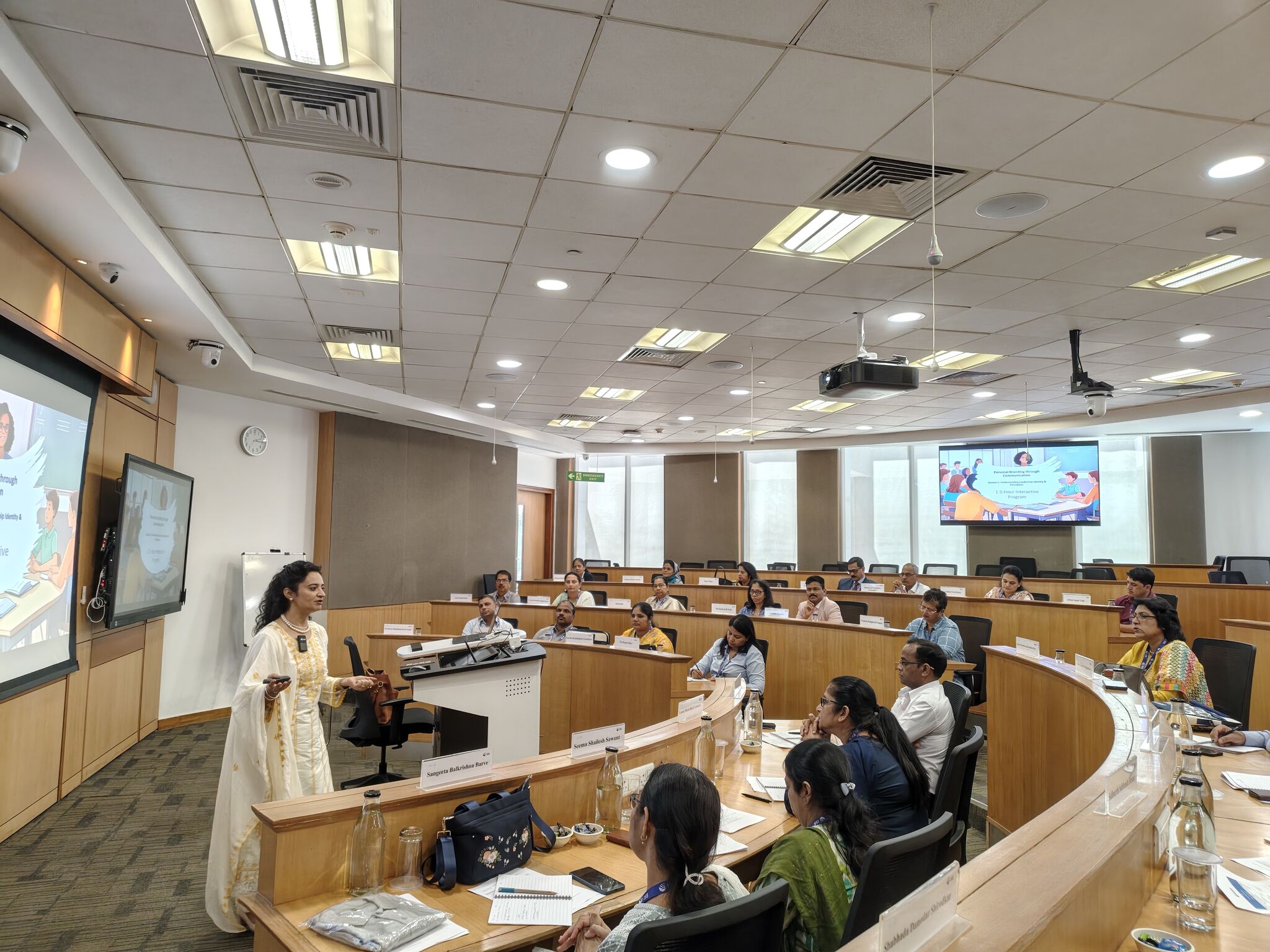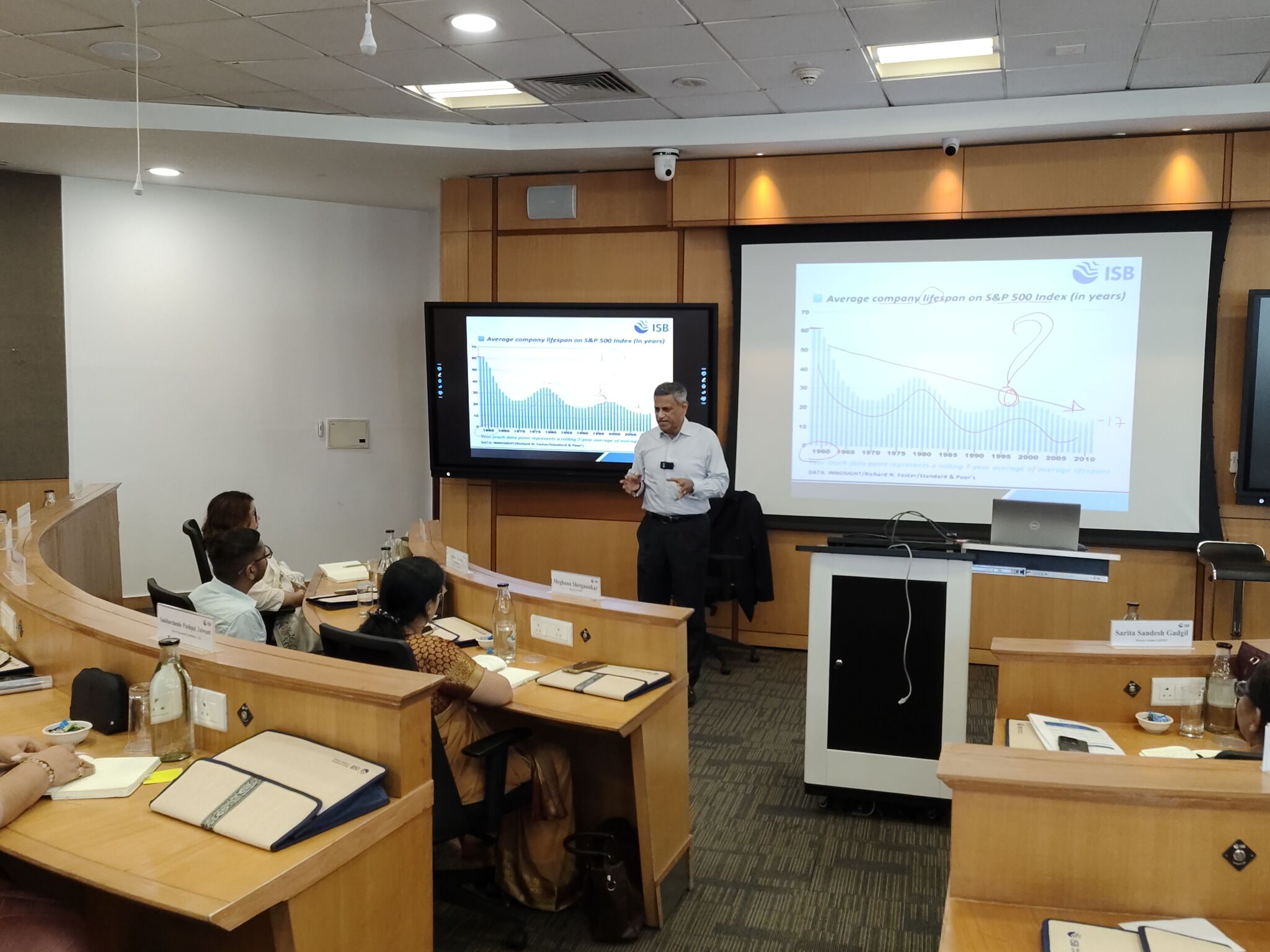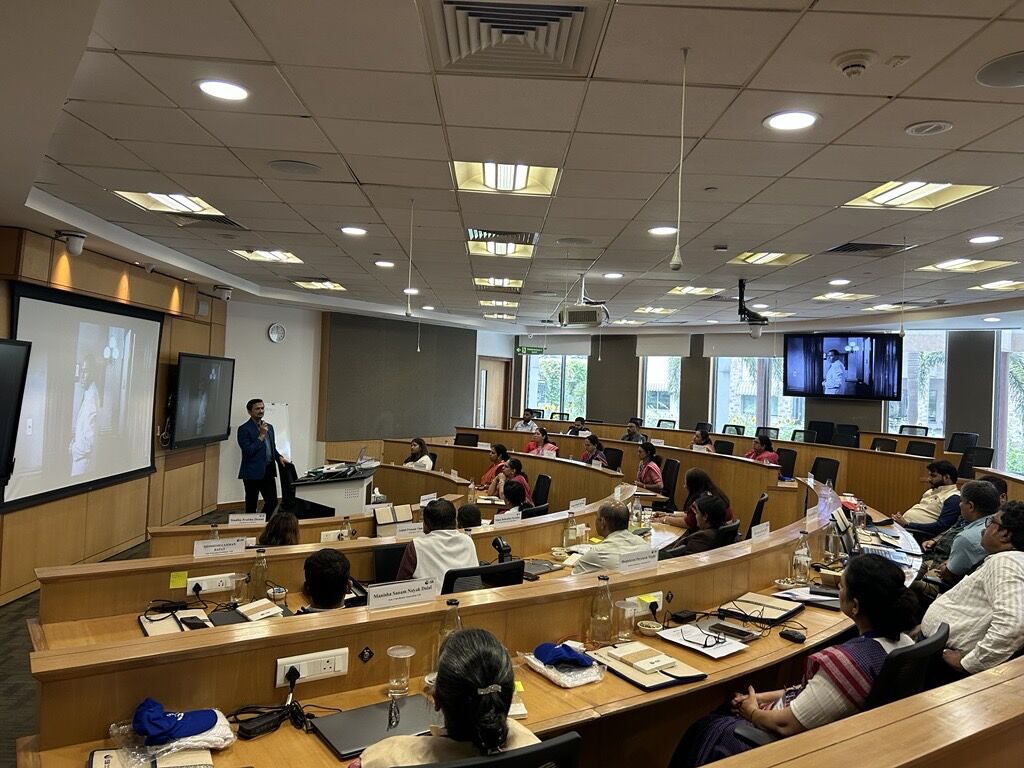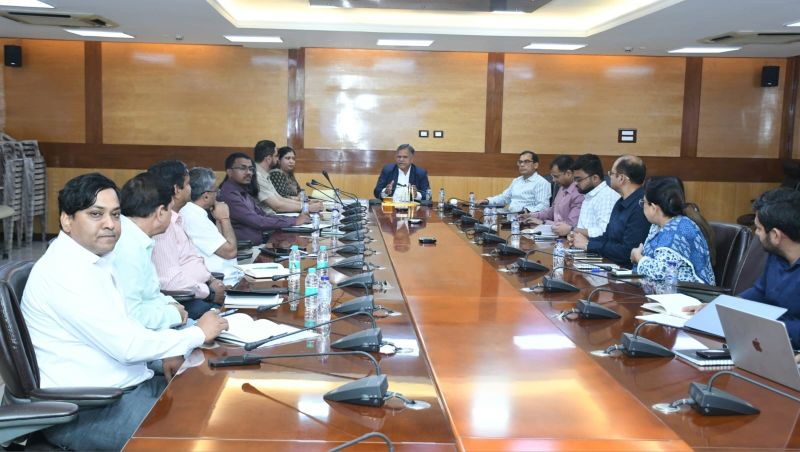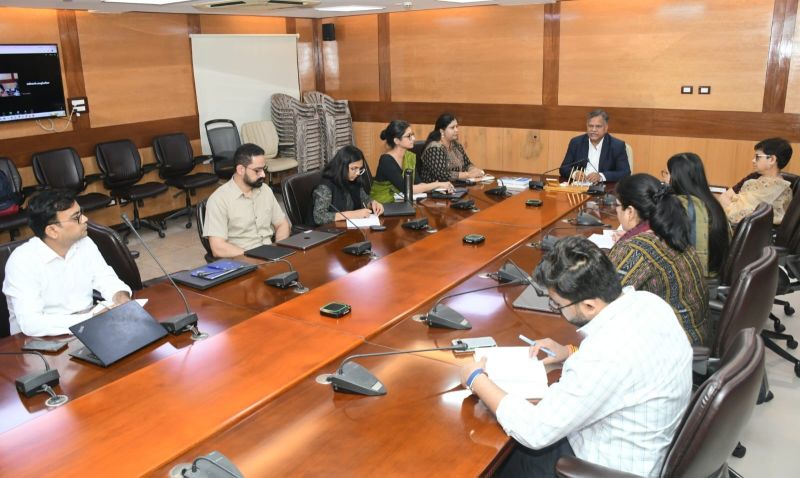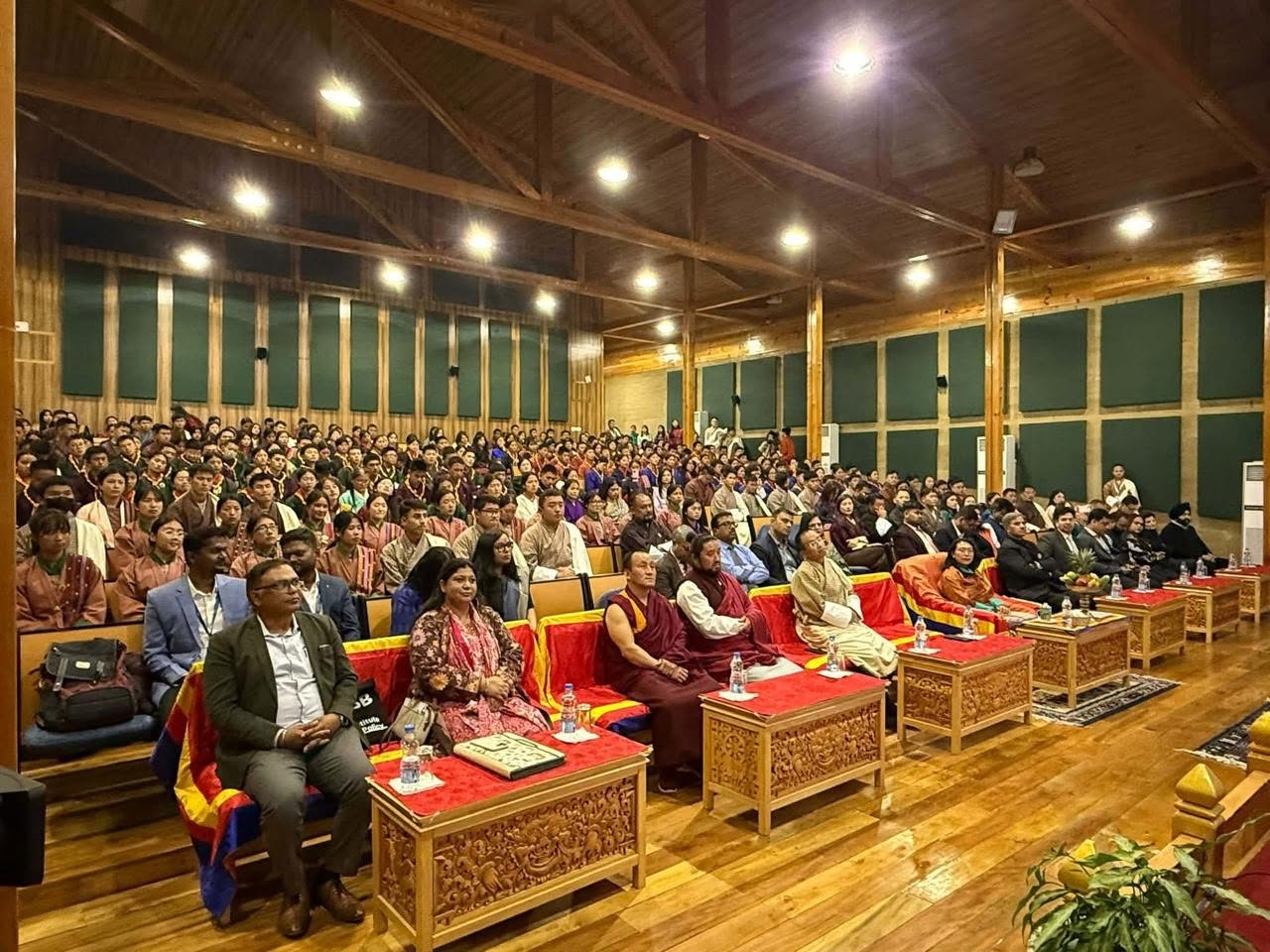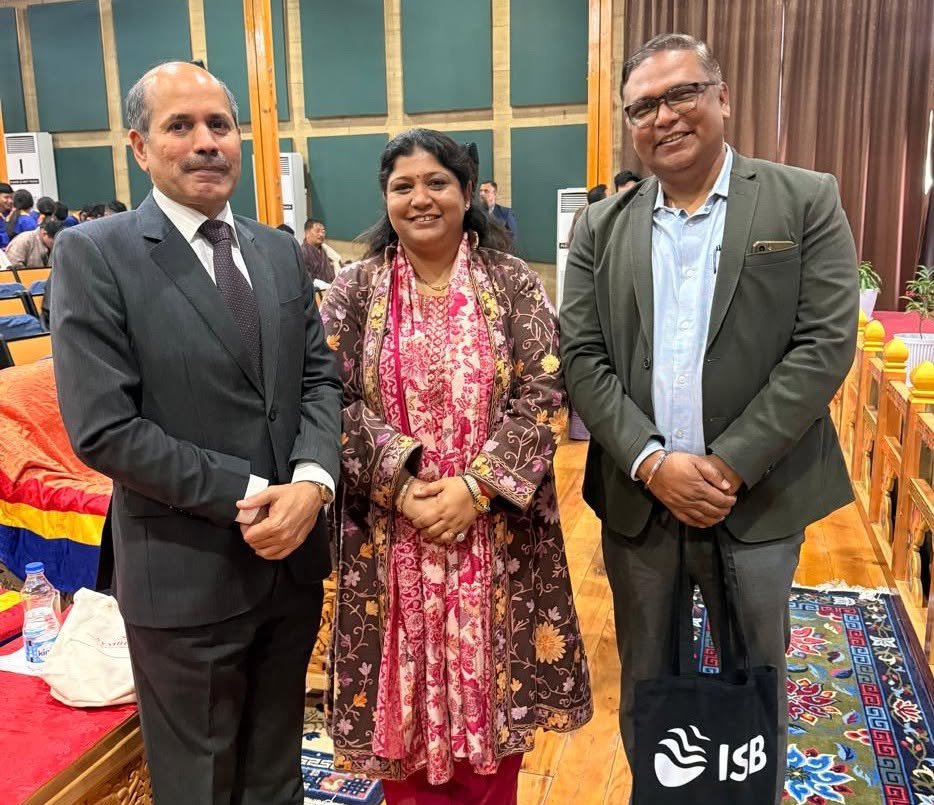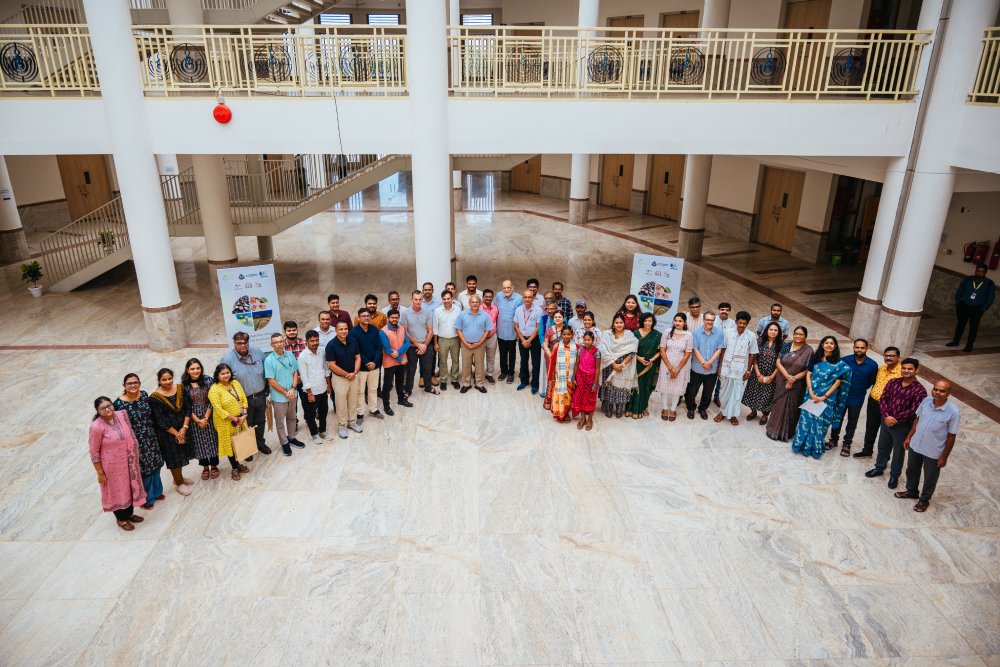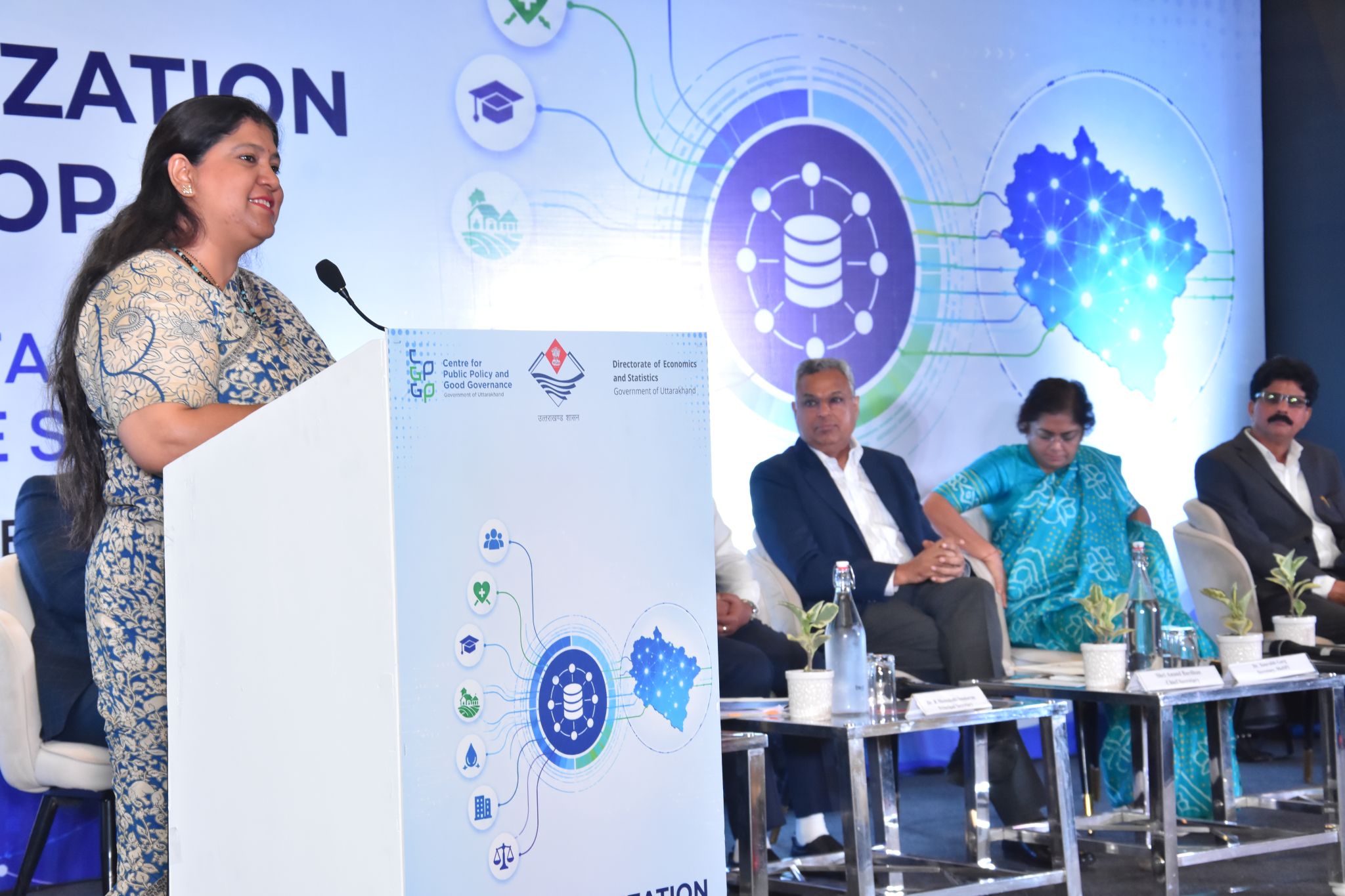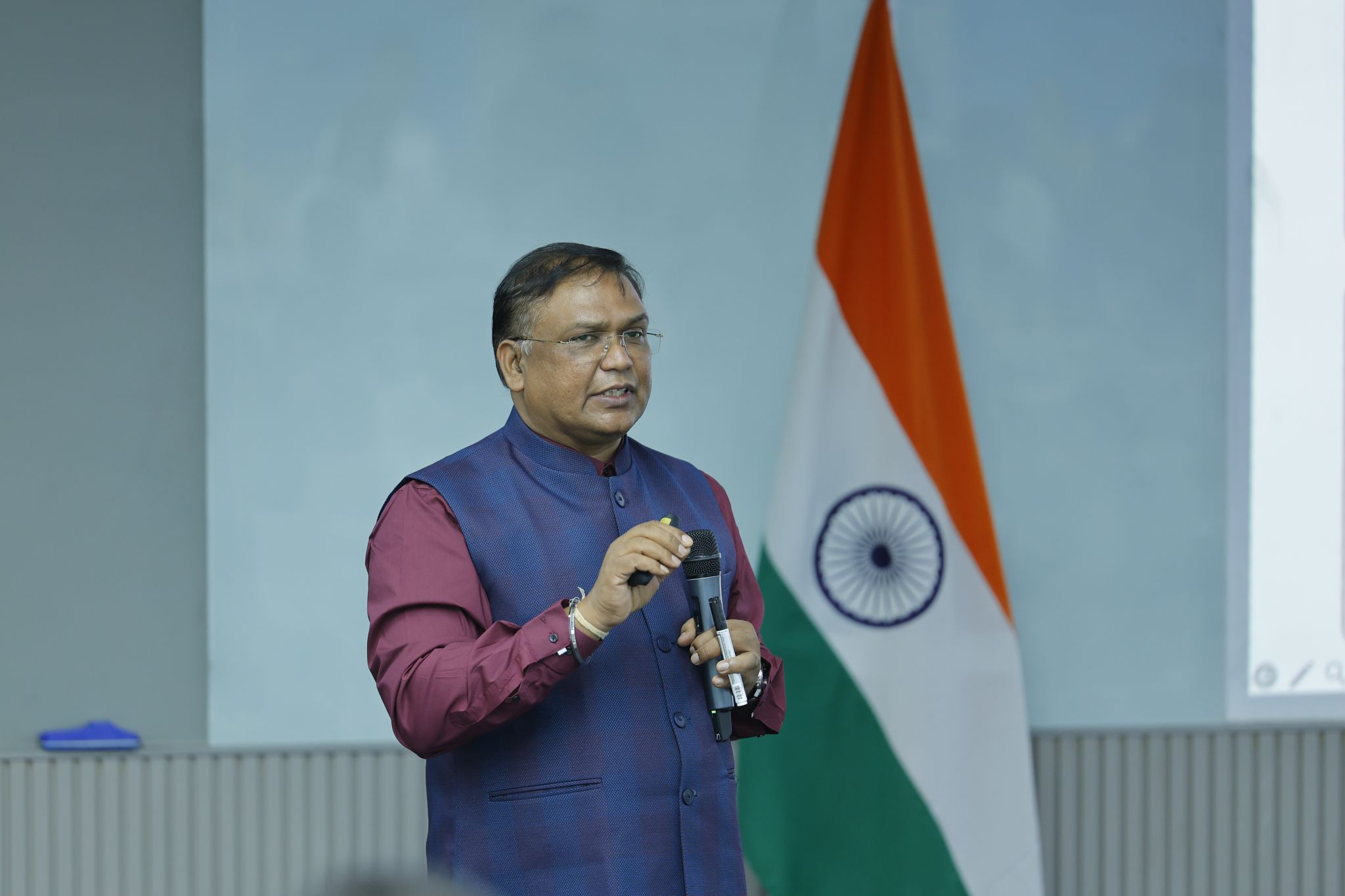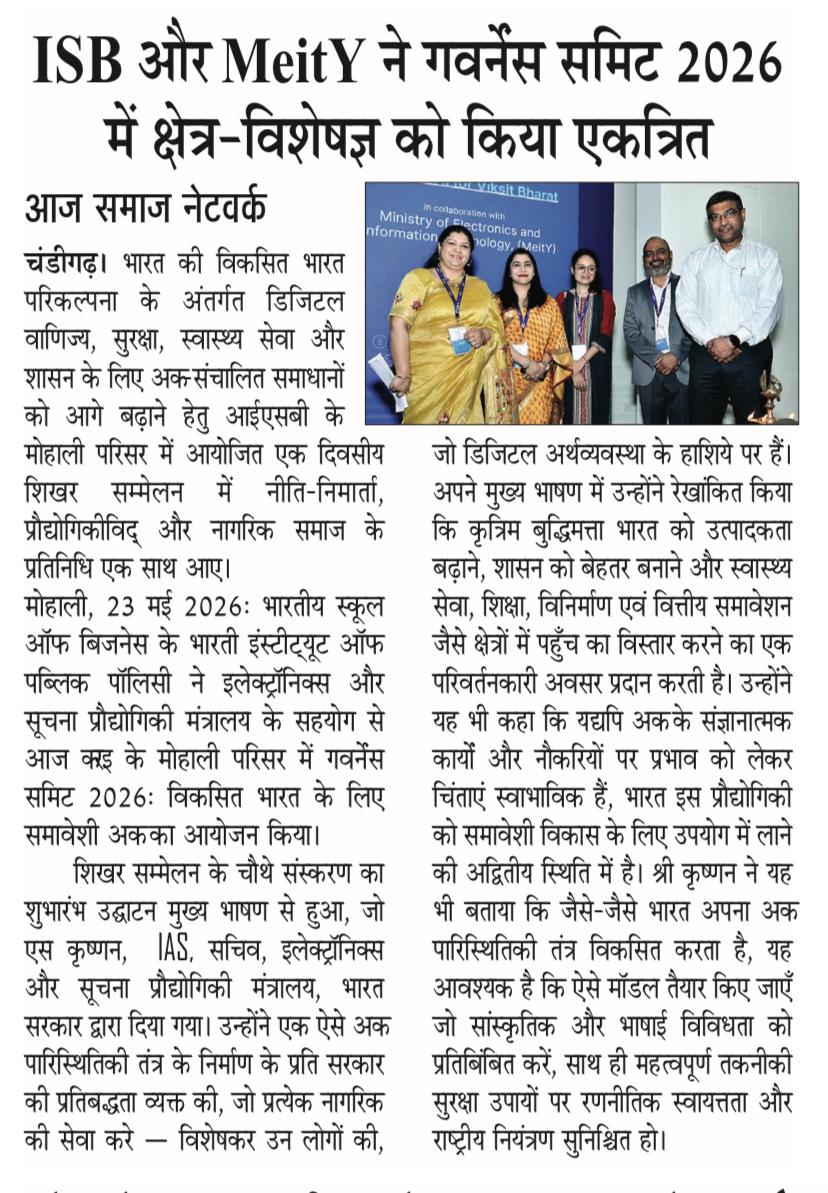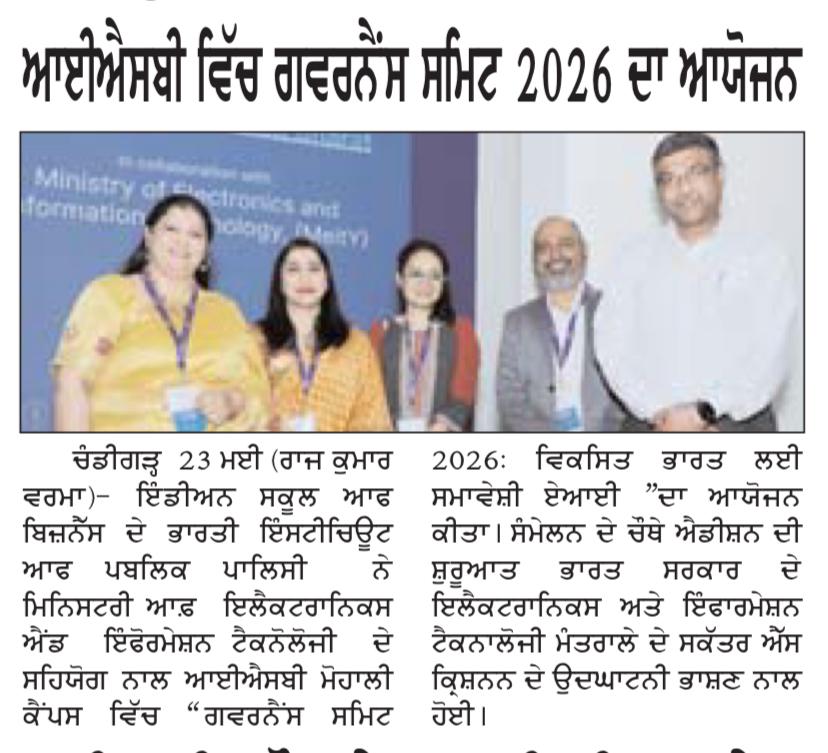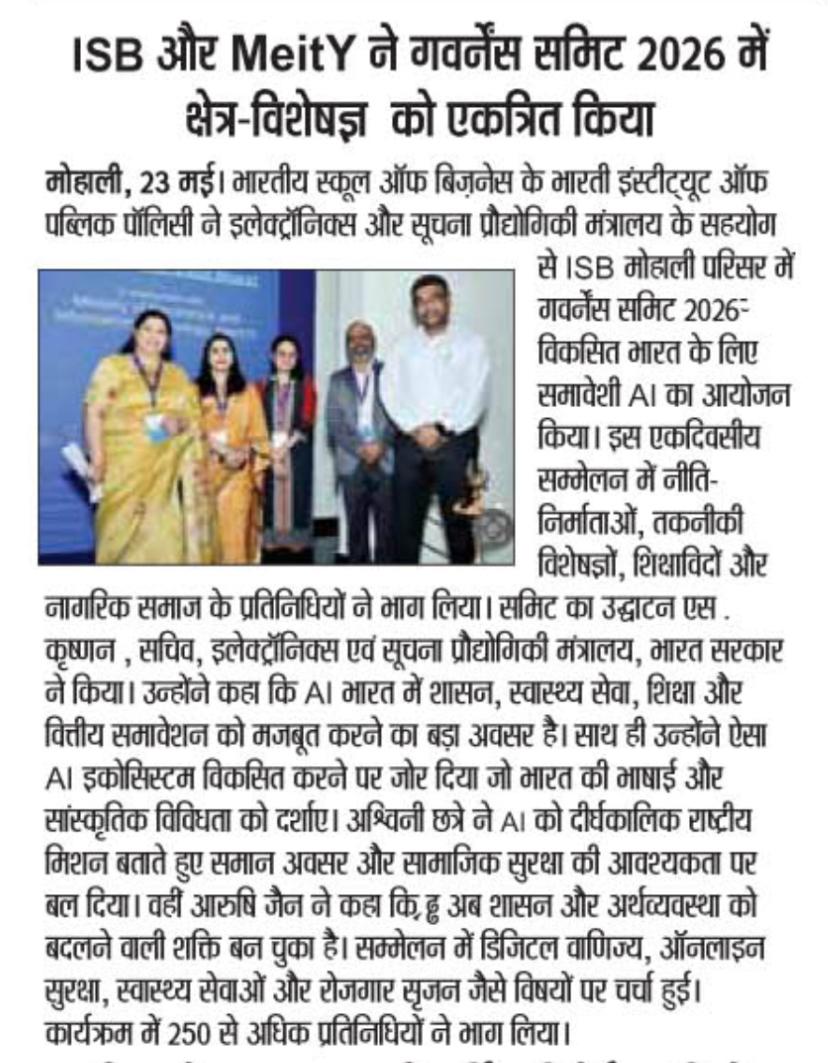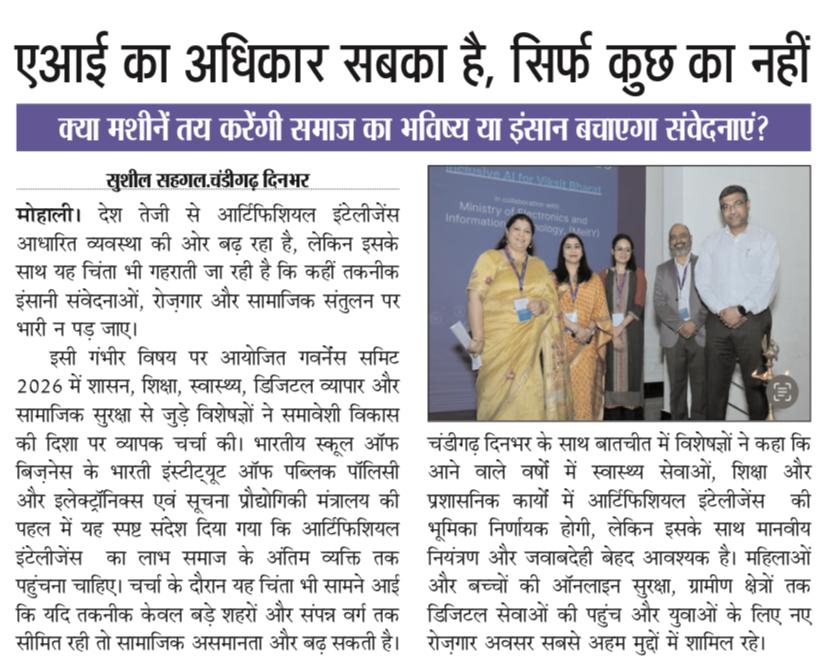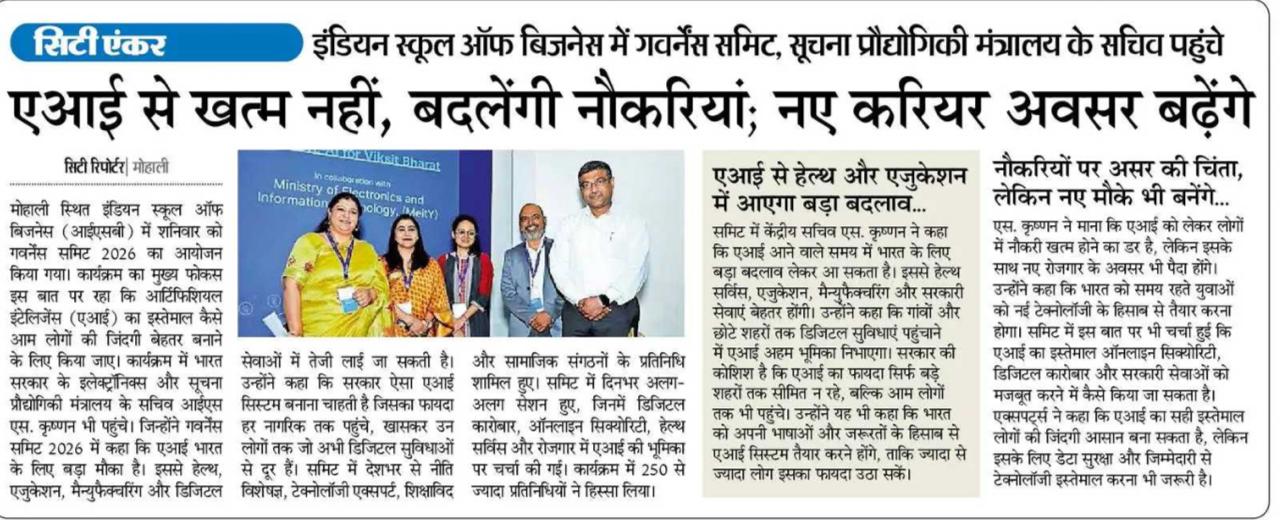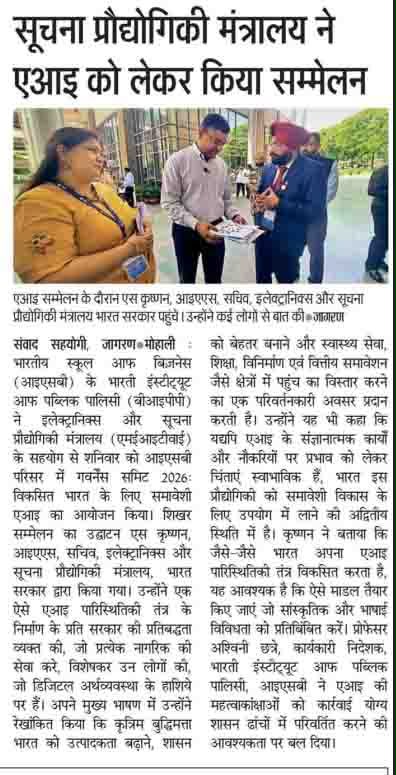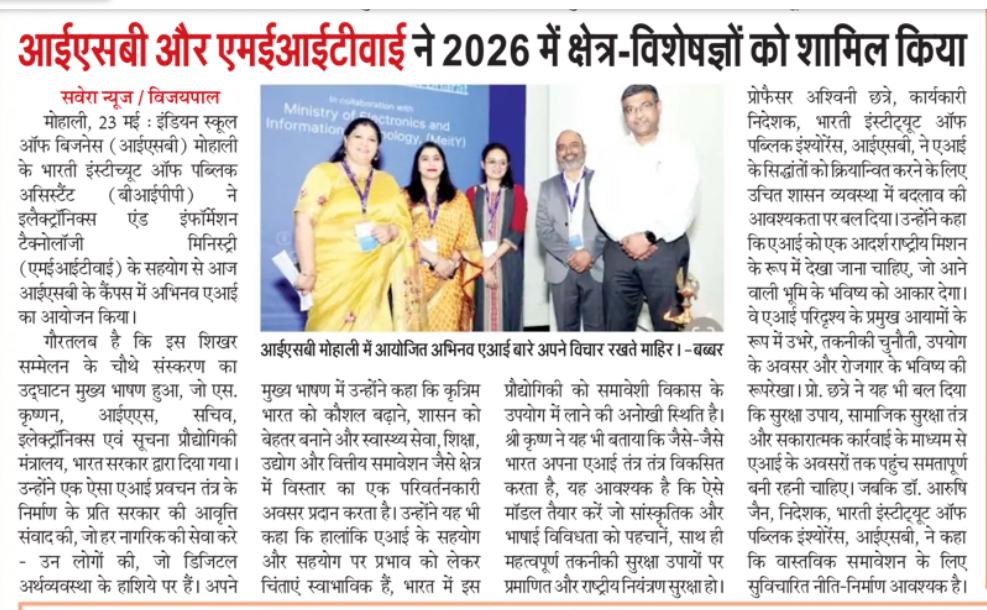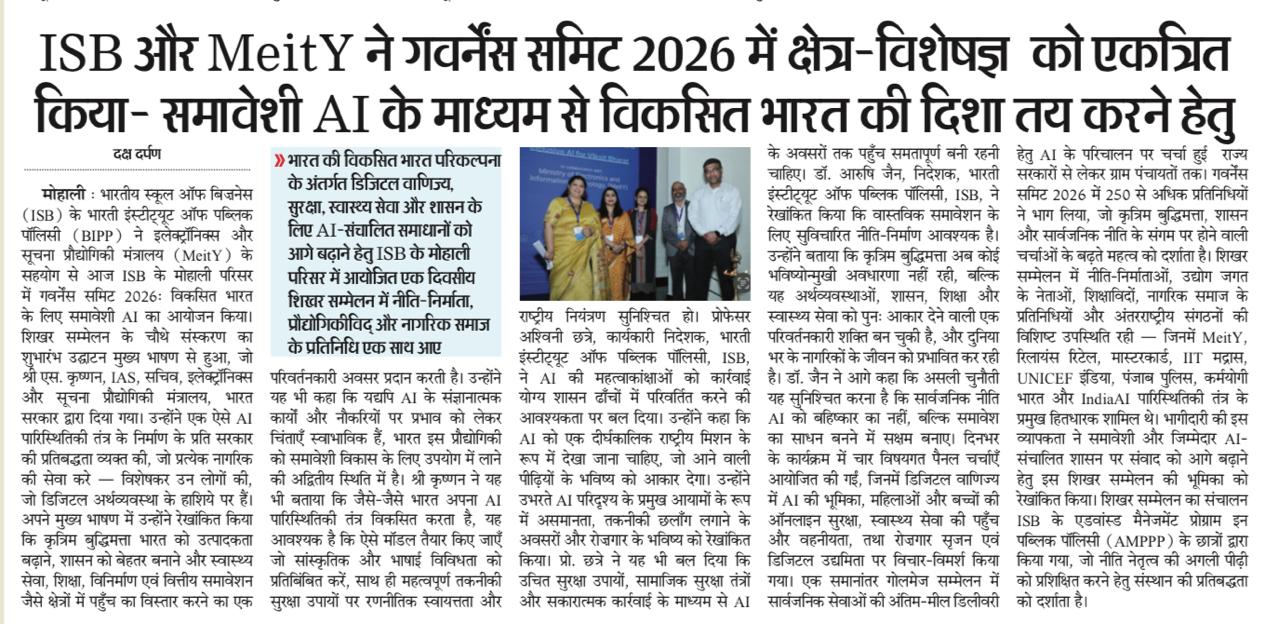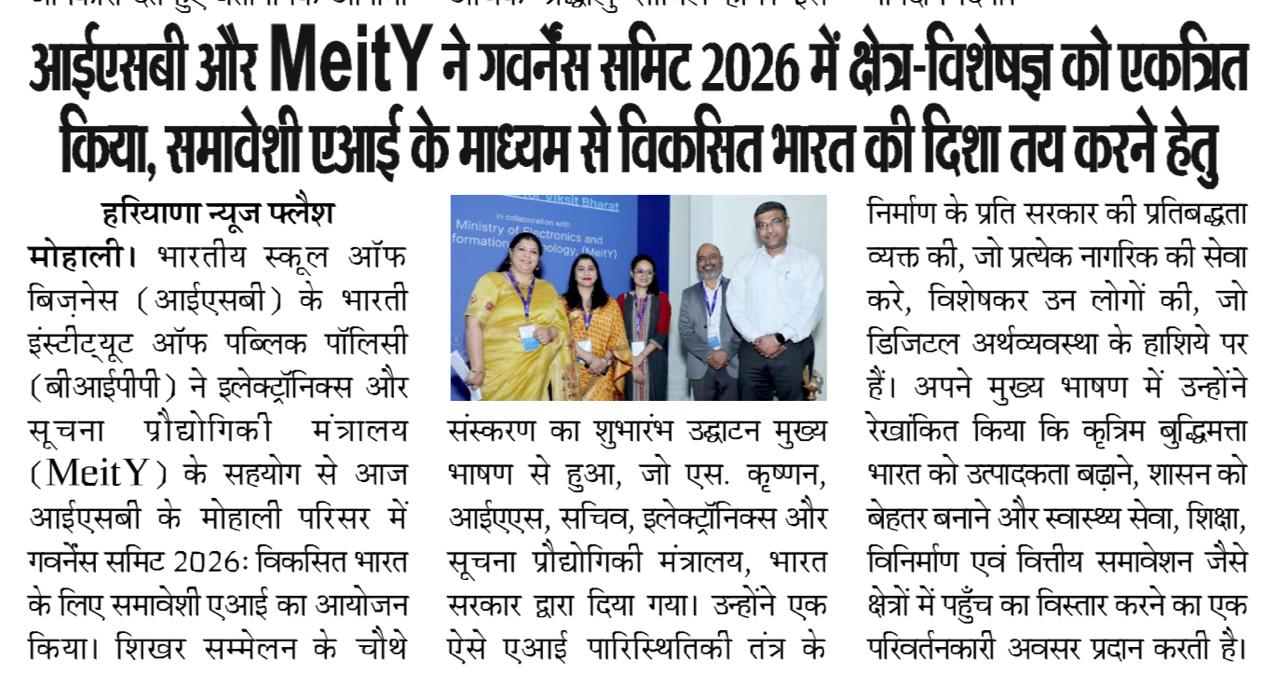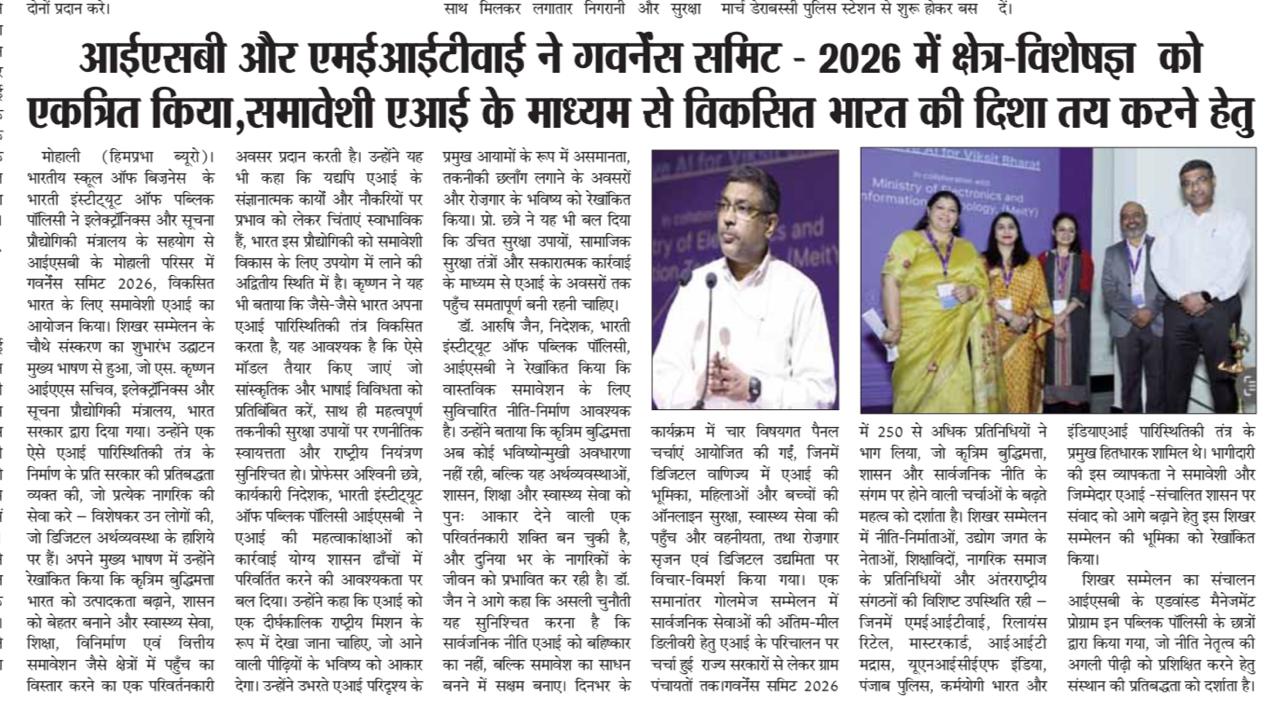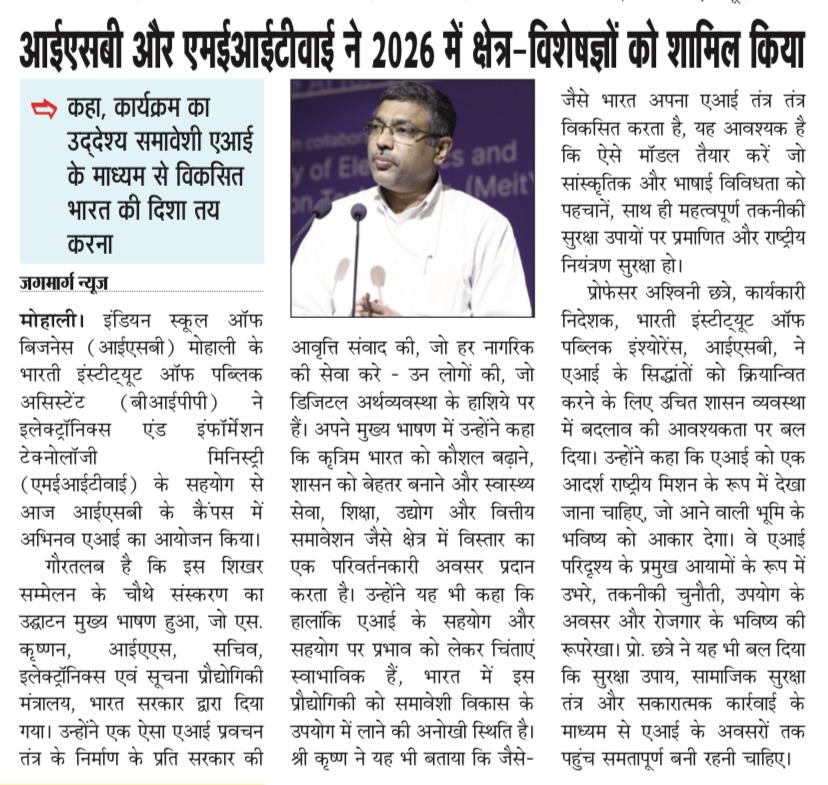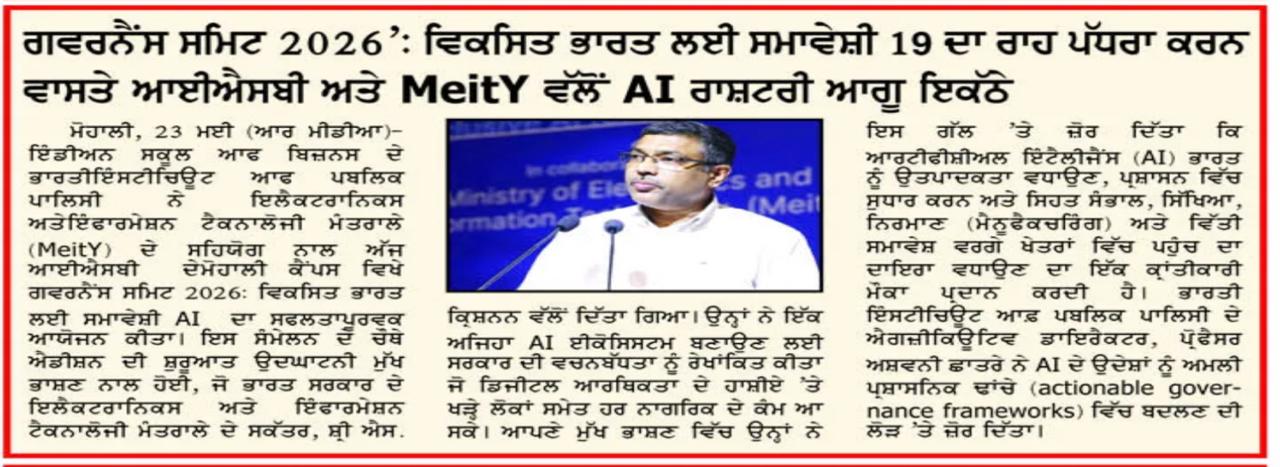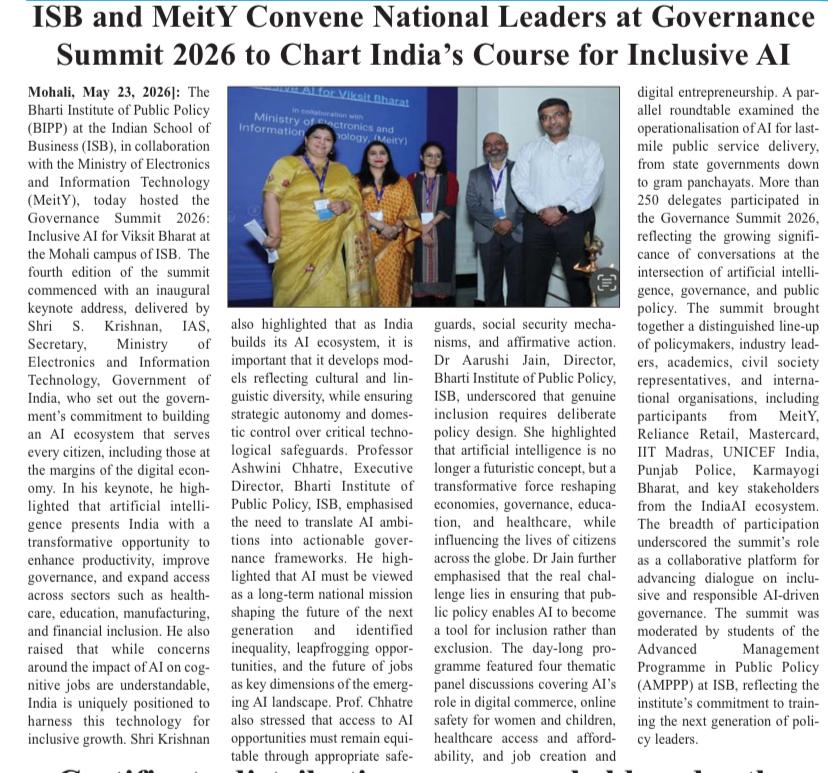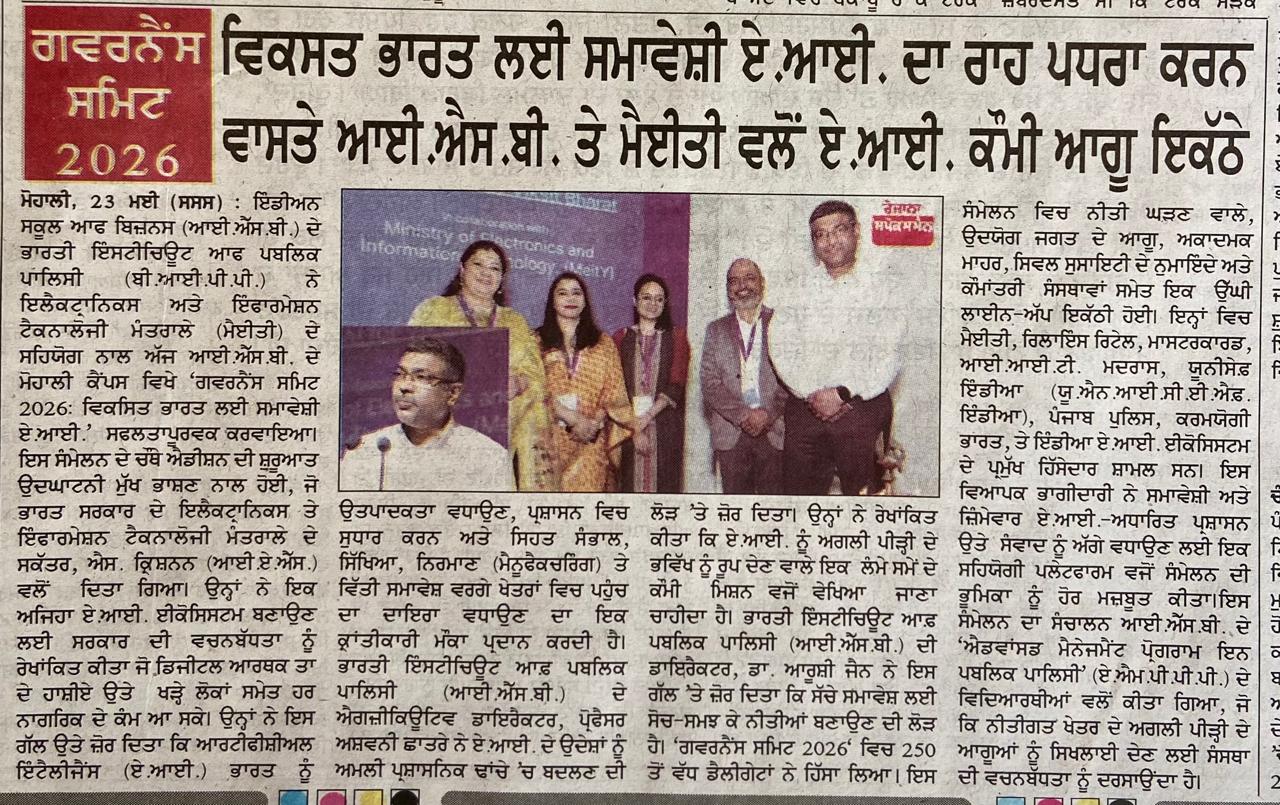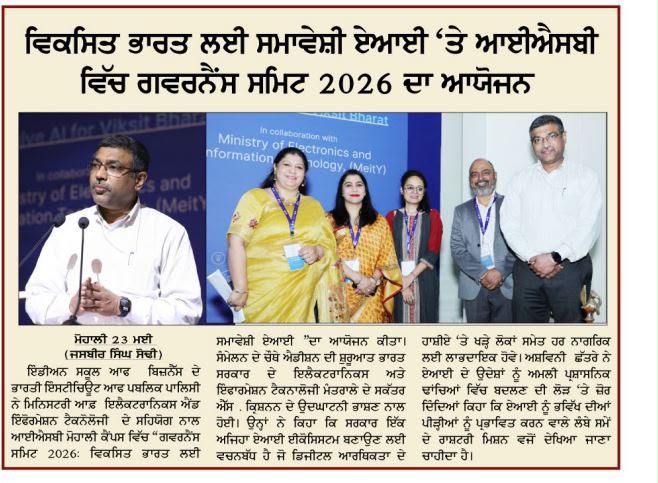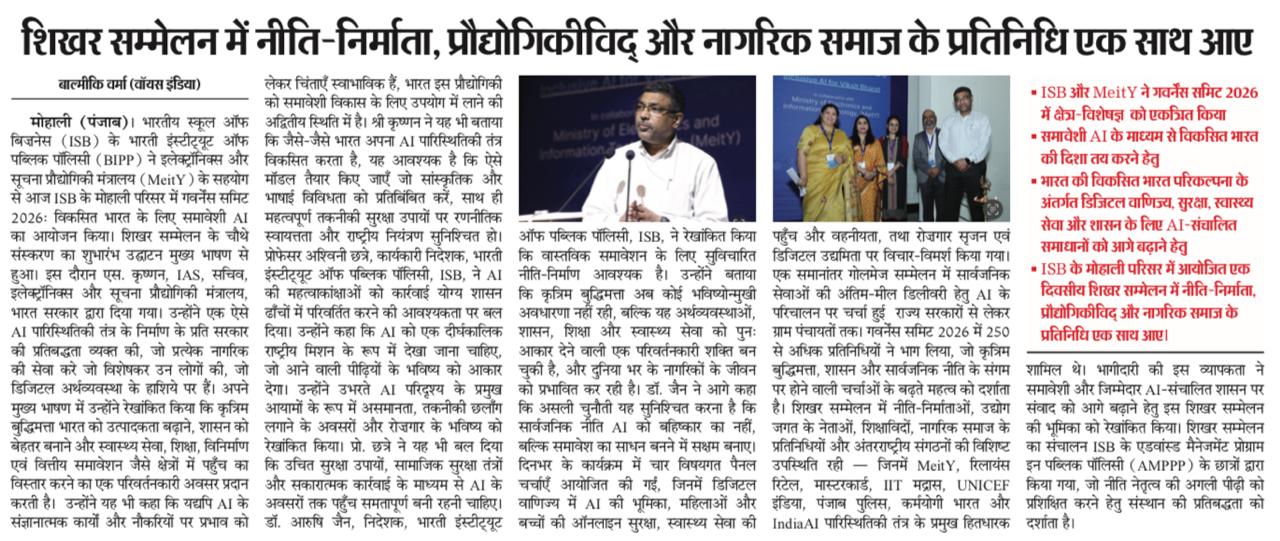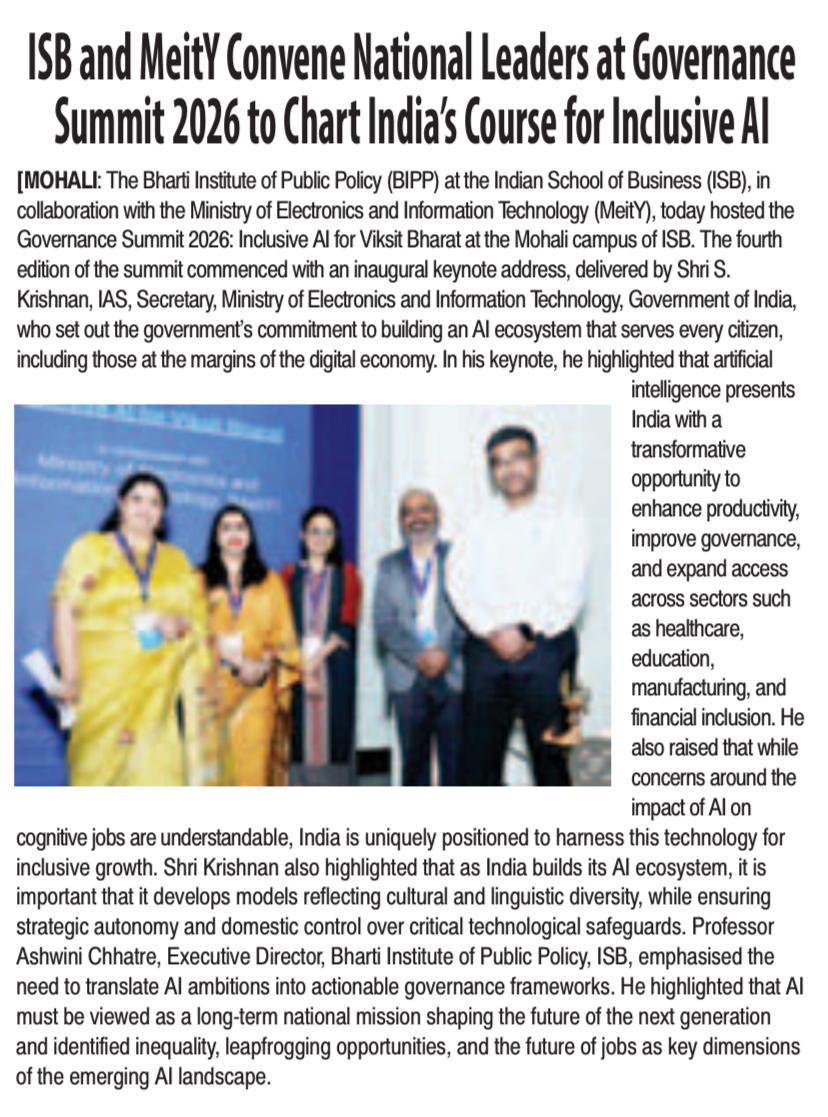
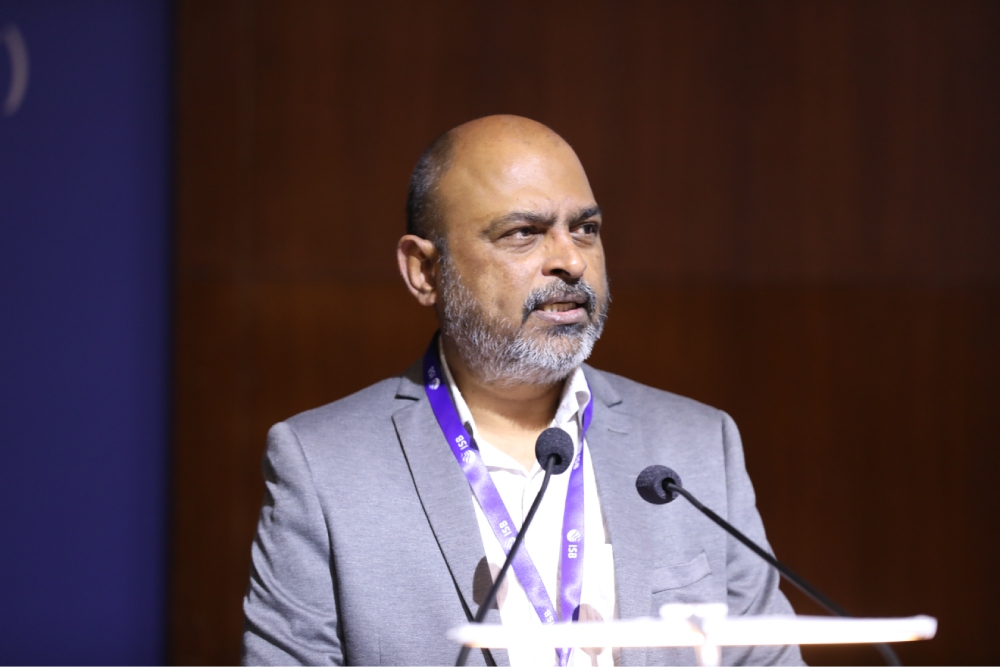
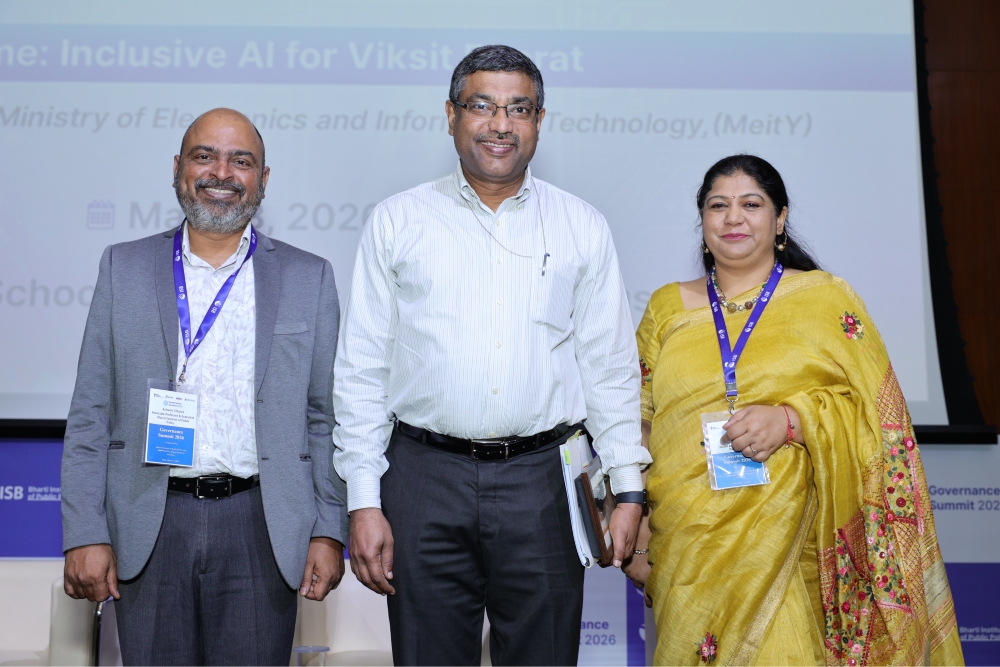


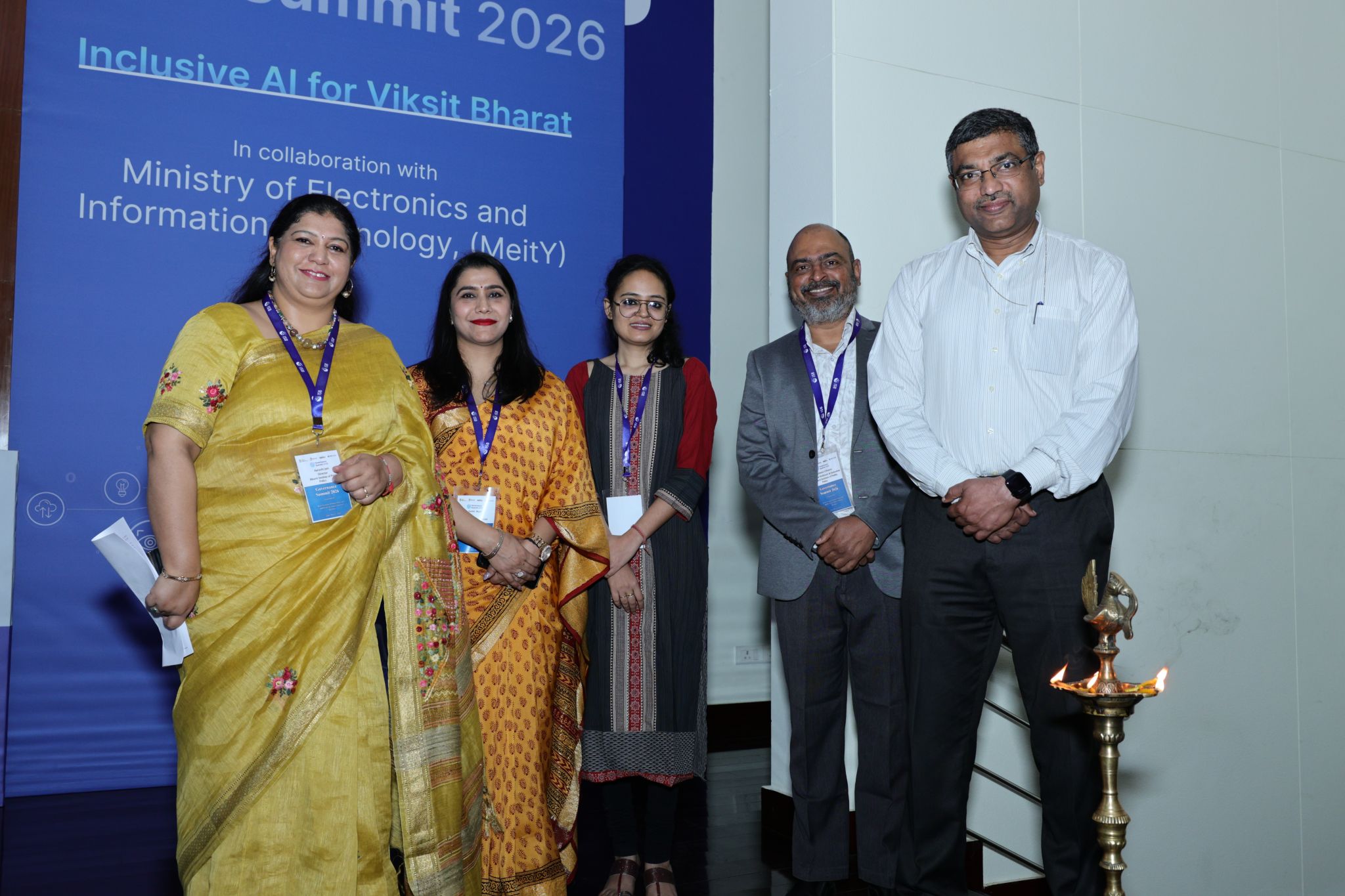
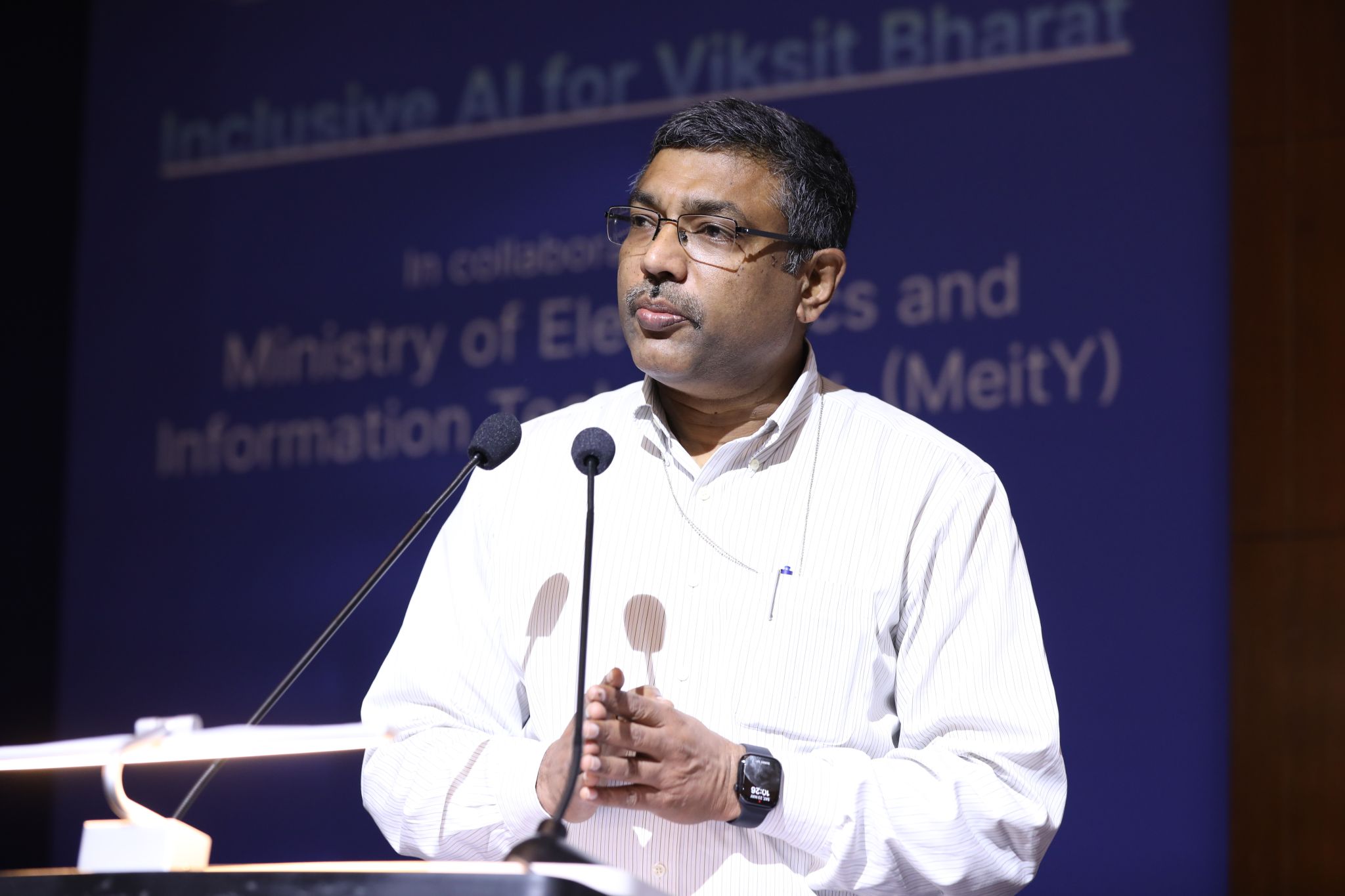
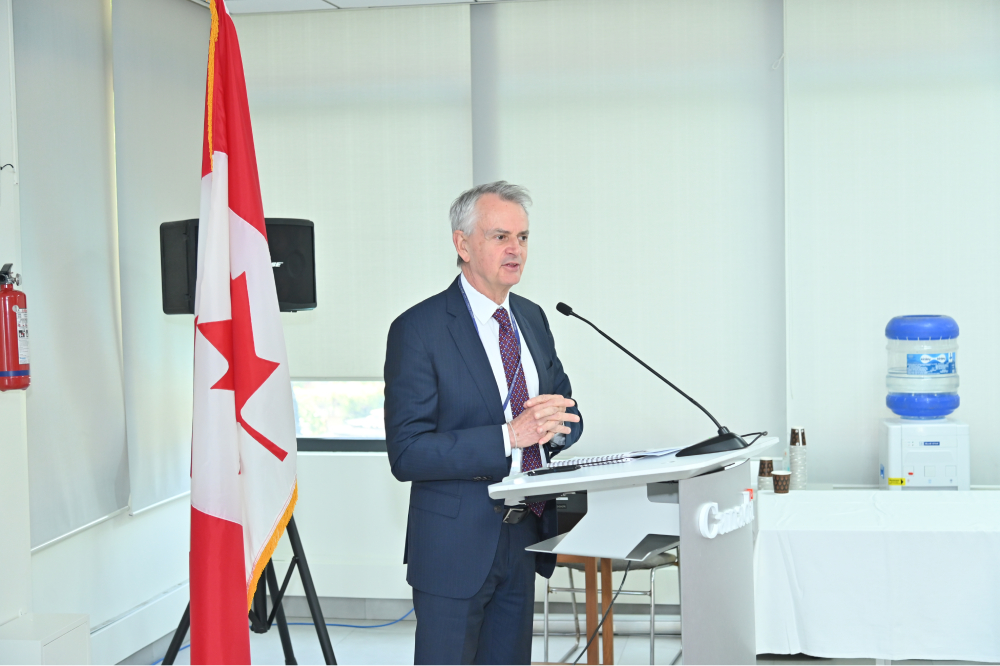
The Bharti Institute of Public Policy, Indian School of Business, hosted the fourth edition of its annual flagship event, Governance Summit, on 23 May, at the Mohali campus. Themed “Inclusive AI for Viksit”, the Summit brought together senior government leaders, industry experts, academics, and civil society to deliberate on the policy, governance, and institutional imperatives of artificial intelligence for India's development. Setting the tone for the summit, the inaugural keynote speaker Shri. S. Krishnan, Secretary, Ministry of Electronics and Information Technology (MeitY), Government of India, emphasied AI as a strategic enabler of India's growth and governance agenda. Emphasising its transformative potential, he noted, "Artificial intelligence presents India with a transformative opportunity to enhance productivity, improve governance, and expand access across sectors such as healthcare, education, manufacturing, and financial inclusion”. Delivering the opening address, Prof. Ashwini Chhatre, Associate Professor and Executive Director, Bharti Institute of Public Policy, Indian School of Business, situated AI within India's long-term development trajectory, emphasising the need to address inequality, harness opportunities for transformative growth, and prepare for the future of work. He stated, “AI must be viewed as a long-term national mission that will shape the future of the next generation. As India navigates the emerging AI landscape, the key challenges before us are inequality, the opportunity for leapfrogging, and the future of jobs."
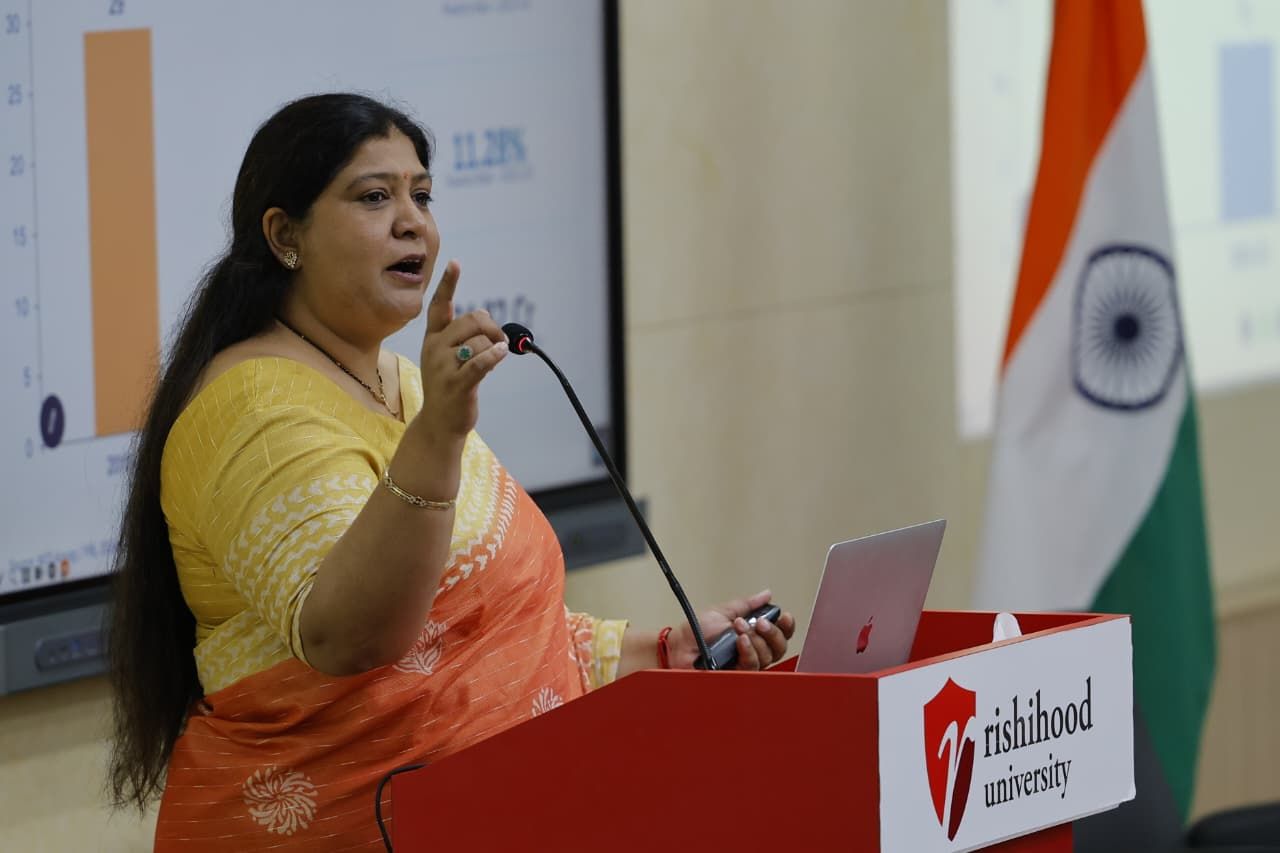
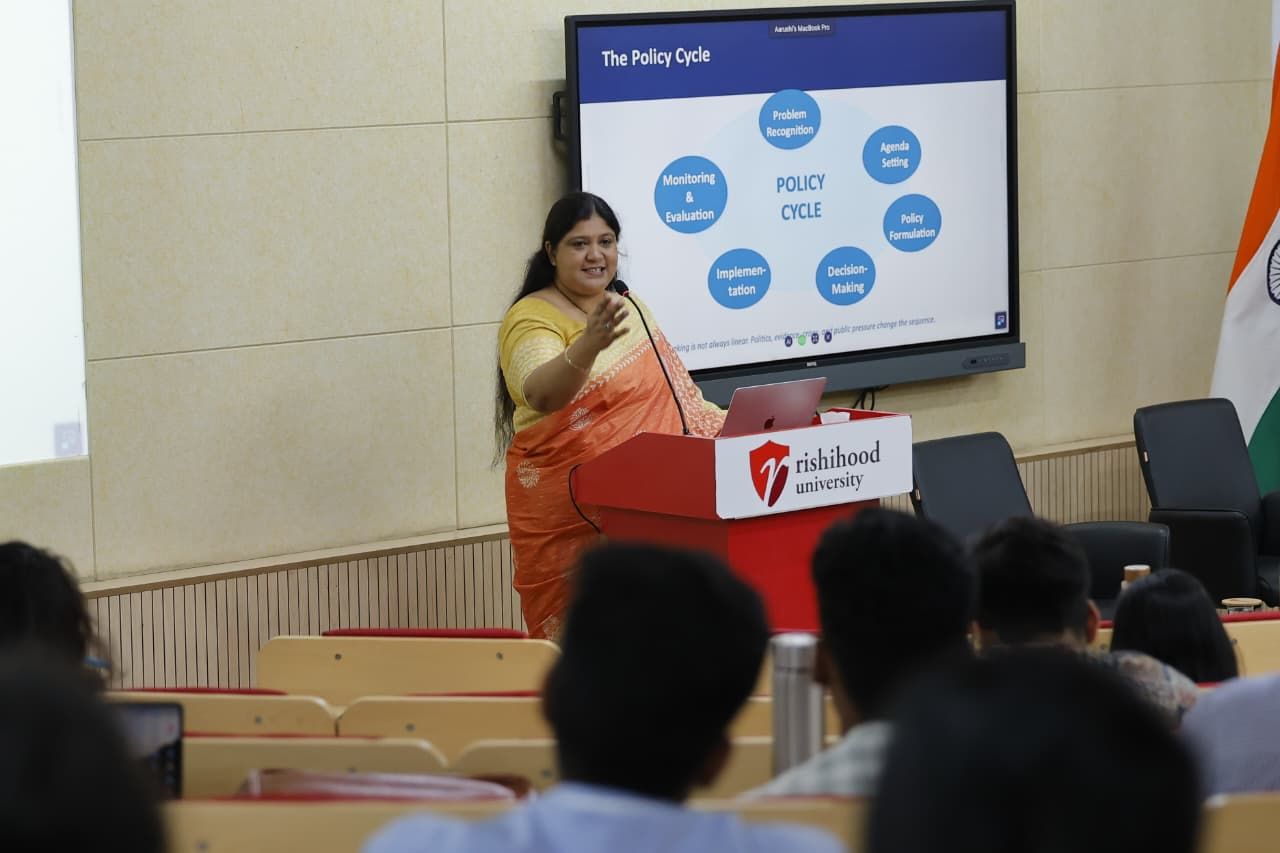
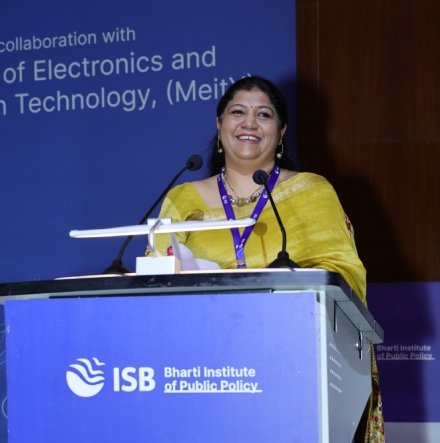
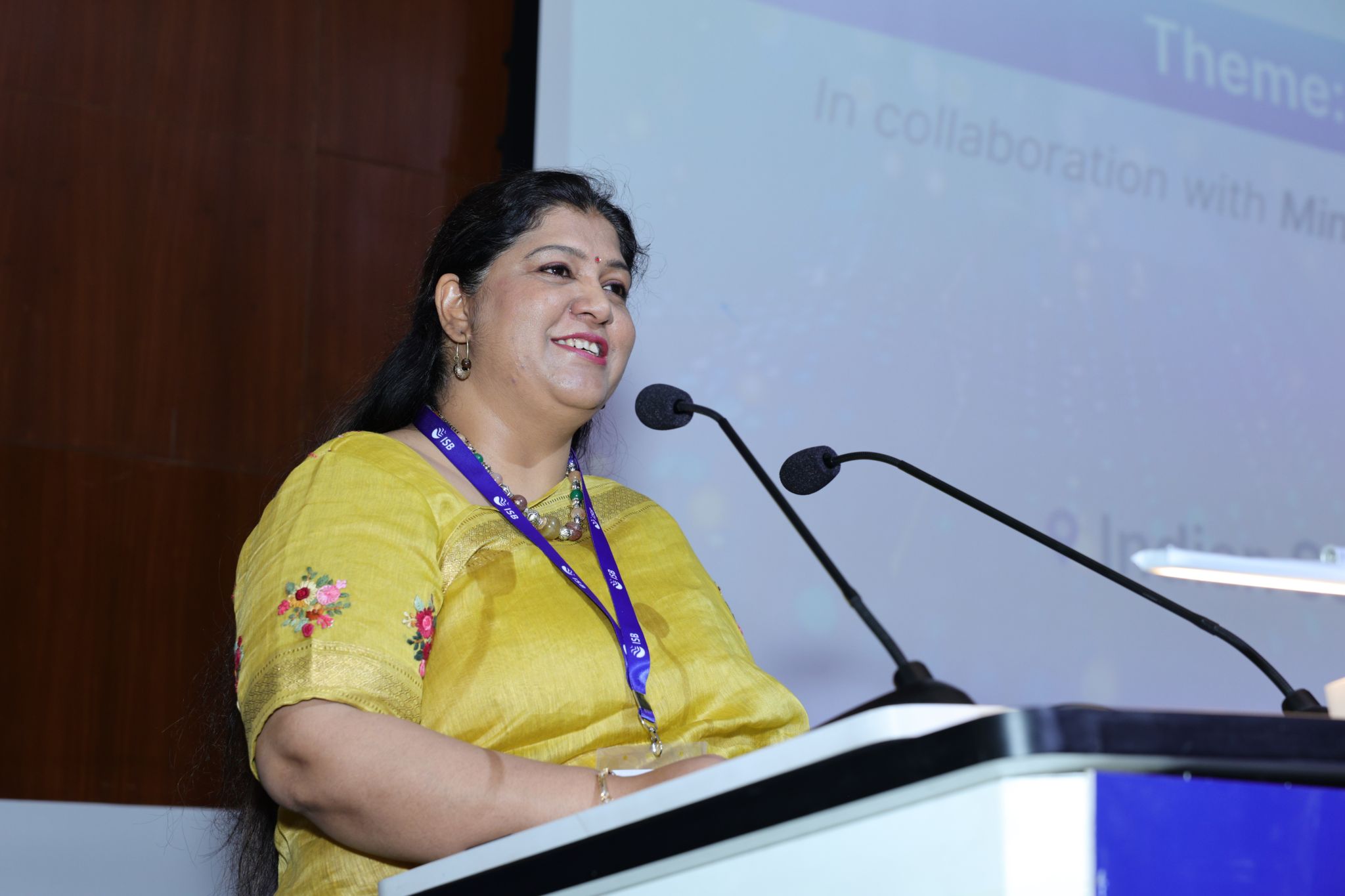
Earlier while welcoming the delegates, Dr. Aarushi Jain, Director, Bharti Institute of Public Policy, Indian School of Business, highlighted the importance of policy frameworks that ensure AI advances inclusion and equitable development. She remarked, "The world is at a defining moment in history, where artificial intelligence is no longer a futuristic concept, but a transformative force reshaping economies, governance, education, and healthcare”.
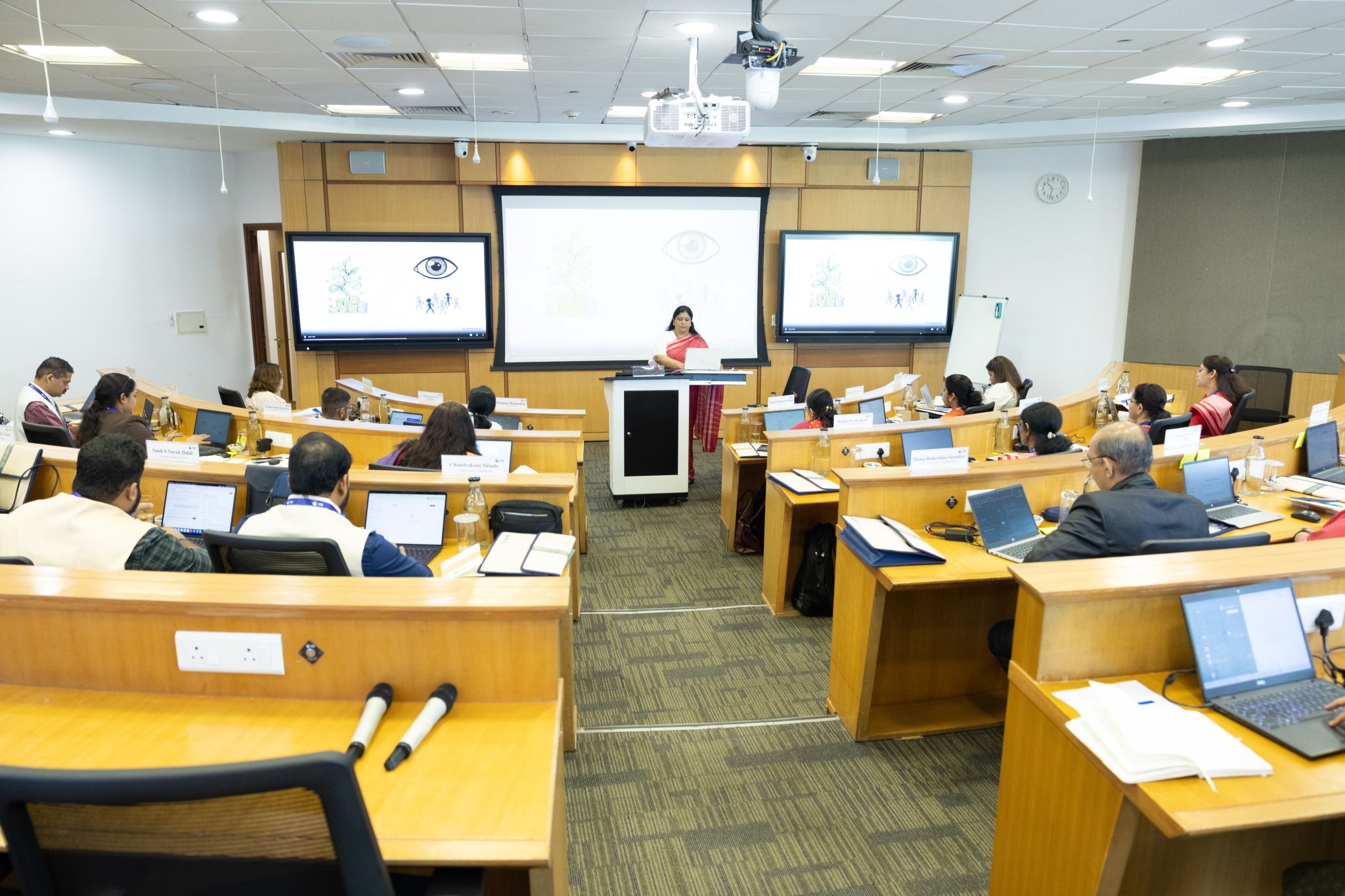
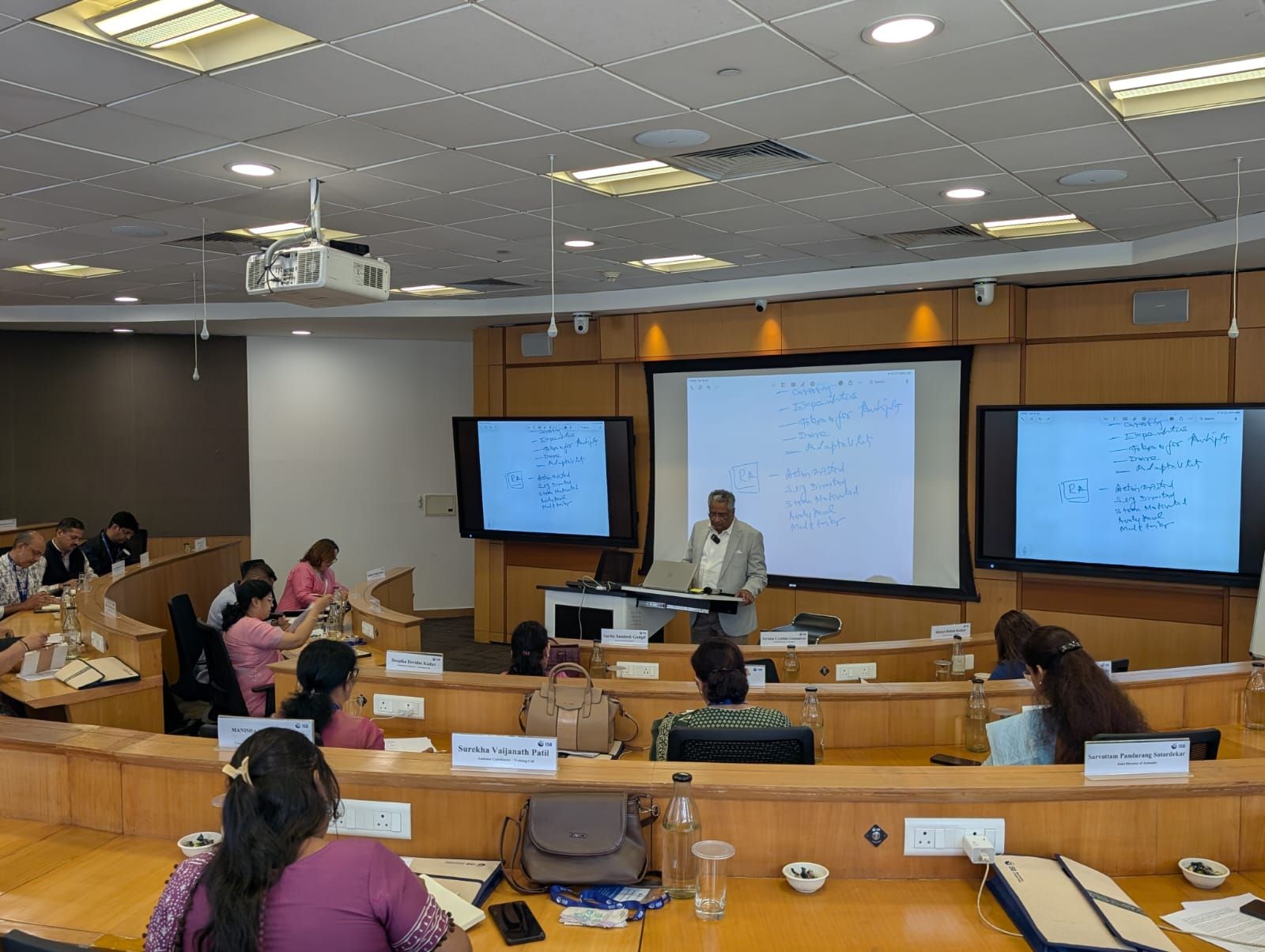
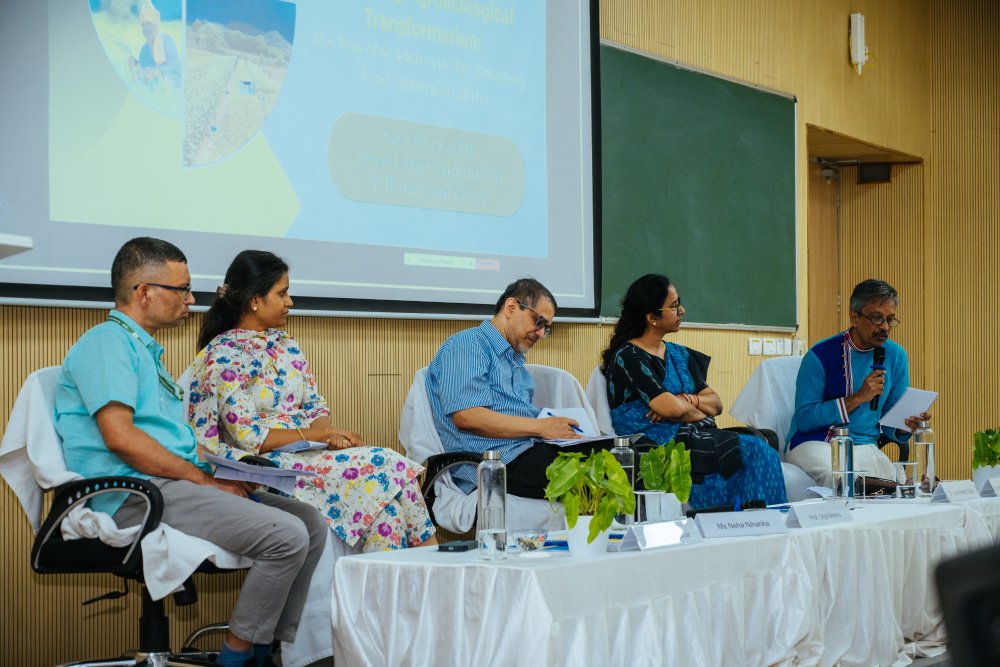
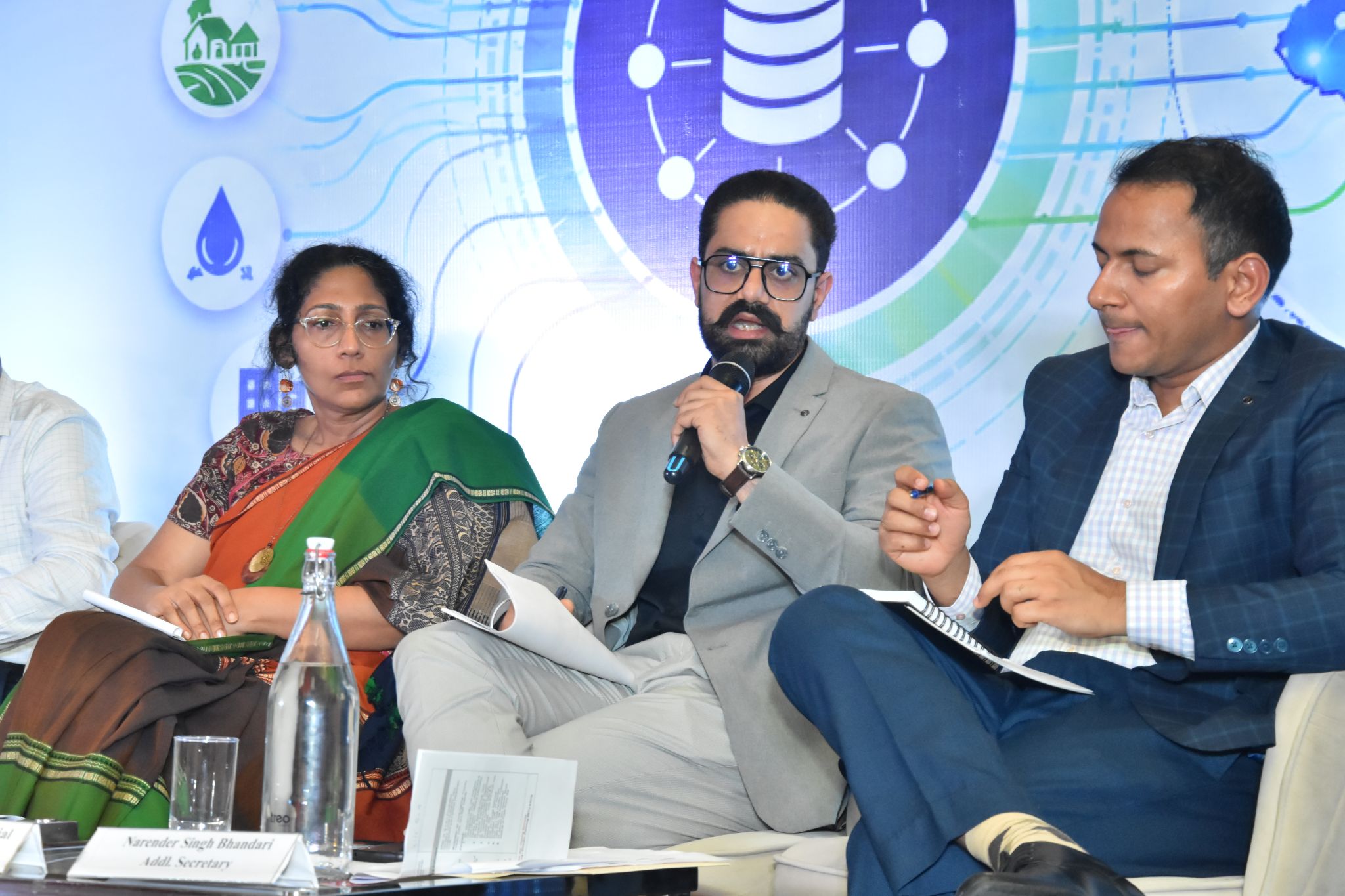
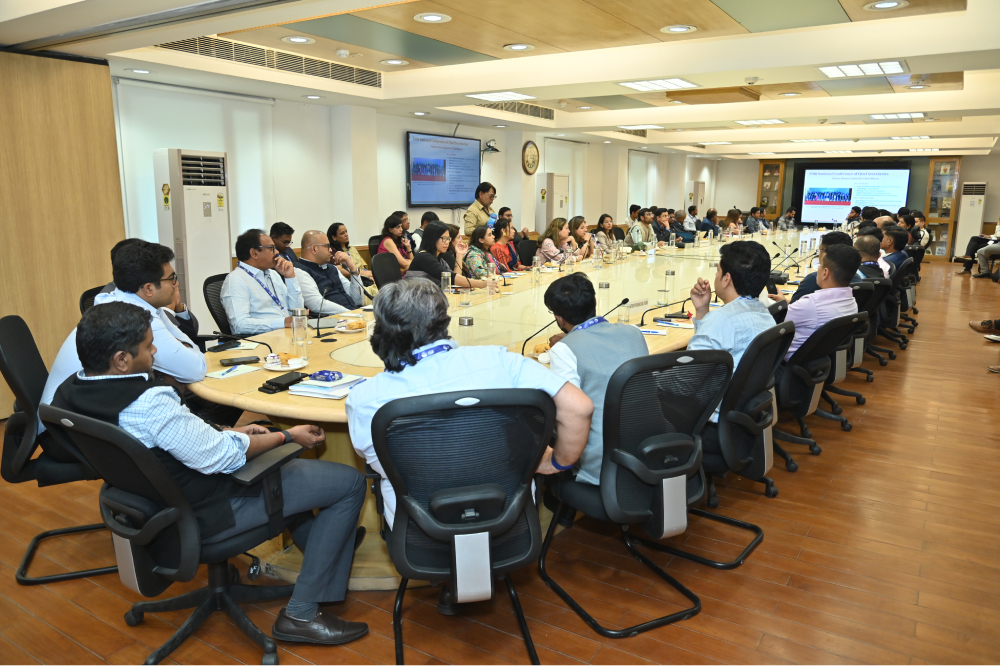
The summit featured four thematic panel discussions and a roundtable that explored the opportunities and governance challenges of artificial intelligence across critical sectors.
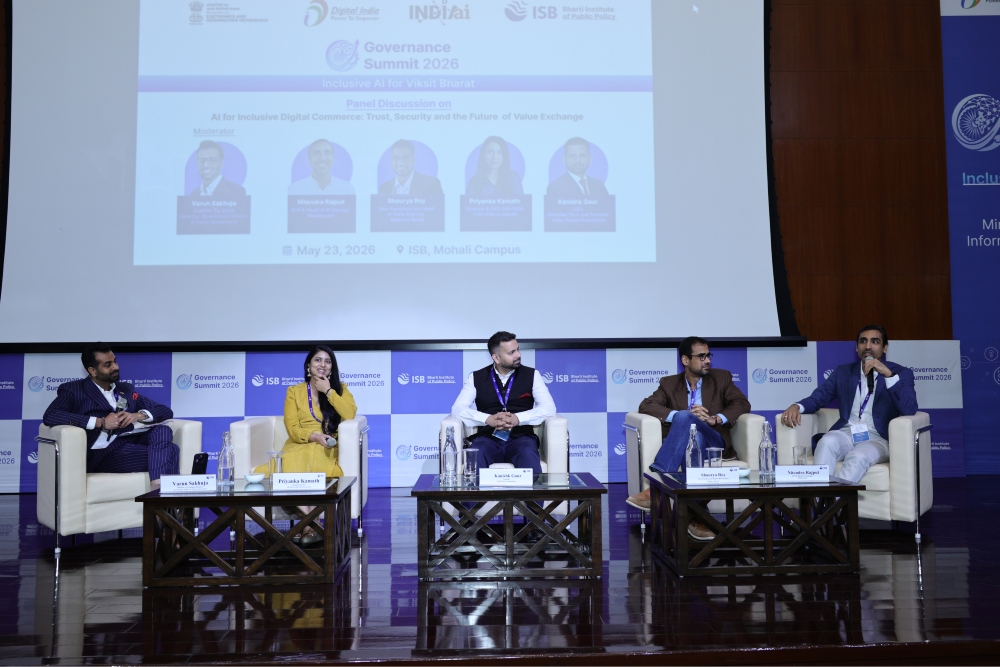
The first panel, "Trust, Security, and Inclusion in Digital Commerce," examined how AI can strengthen digital trust while expanding financial inclusion. Discussions focused on fraud detection, improving credit access for underserved communities, and the emergence of agentic commerce models that balance innovation with consumer protection.
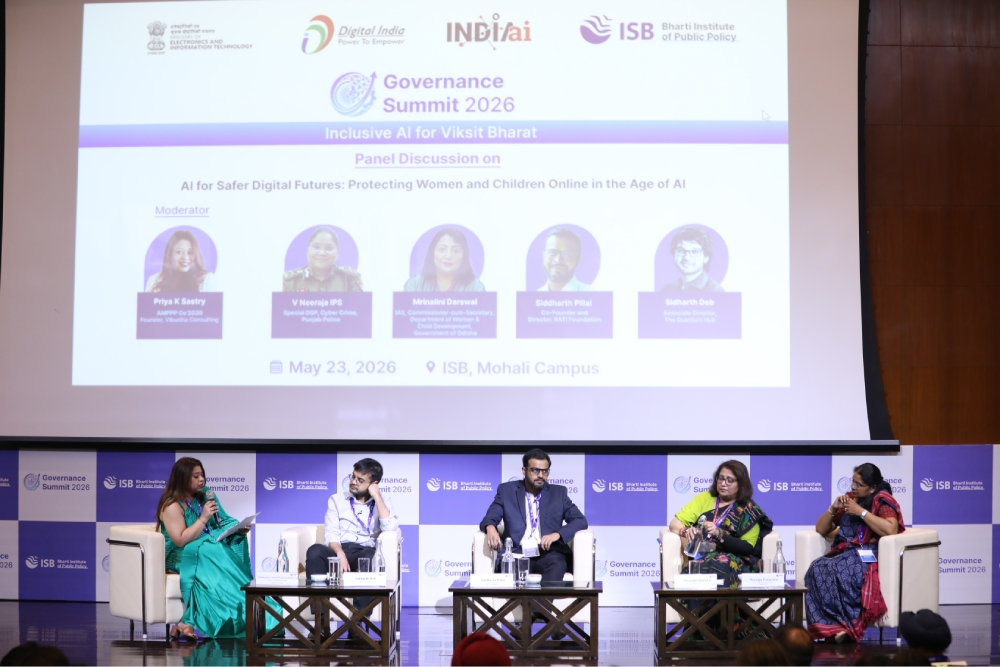
The second panel, "Online Safety for Women and Children," addressed the growing challenges of safeguarding vulnerable users in India's rapidly expanding digital ecosystem. Panellists highlighted the need to strengthen implementation of existing legal frameworks through coordinated, survivor-centric approaches involving government, law enforcement, industry, and civil society.
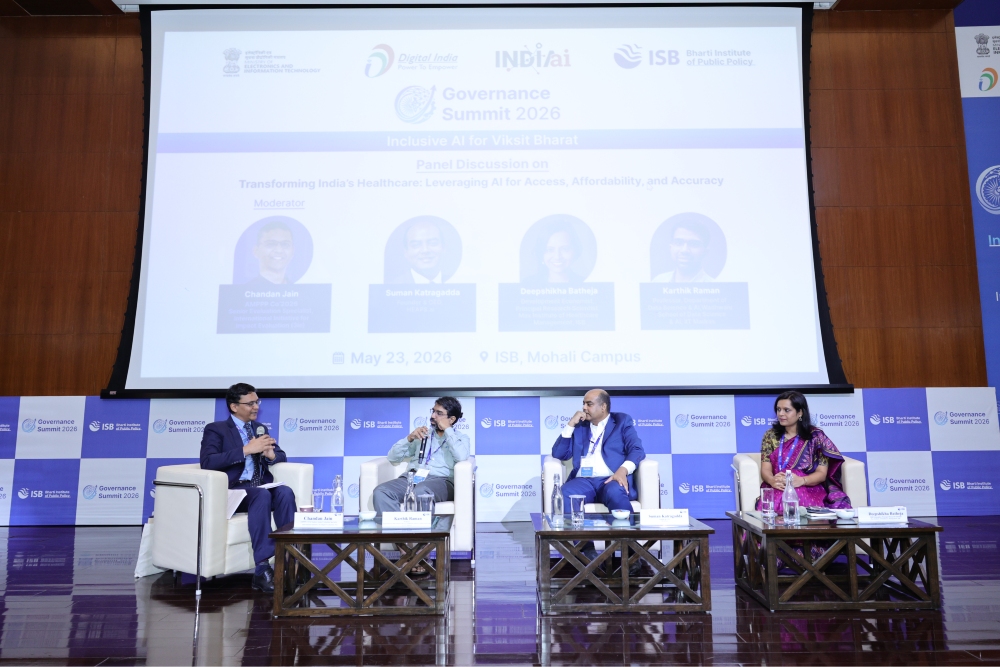
The third panel, "AI for Inclusive Healthcare," explored how artificial intelligence can improve access, affordability, and quality of healthcare services. Discussions examined the role of AI-enabled diagnostics, telemedicine, and digital health platforms in bridging healthcare gaps, particularly in underserved and remote regions.
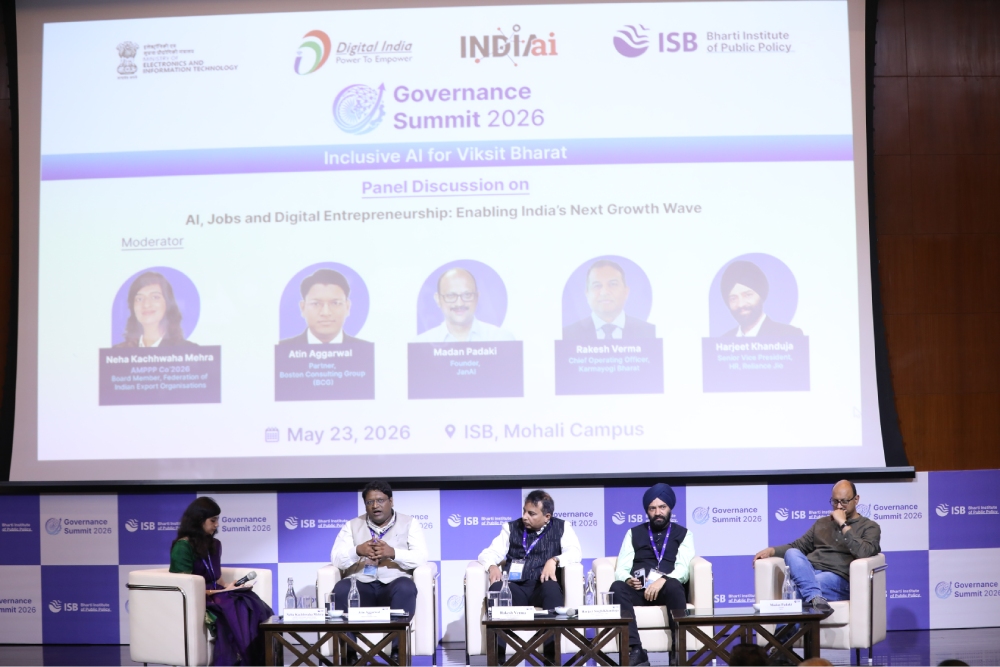
The fourth panel, "AI, Jobs, and India's Economic Transformation," examined the implications of AI for productivity, entrepreneurship, and the future of work. The discussion emphasised democratising access to AI, equipping the workforce with future-ready skills, and enabling MSMEs and rural enterprises to participate in India's digital economy.
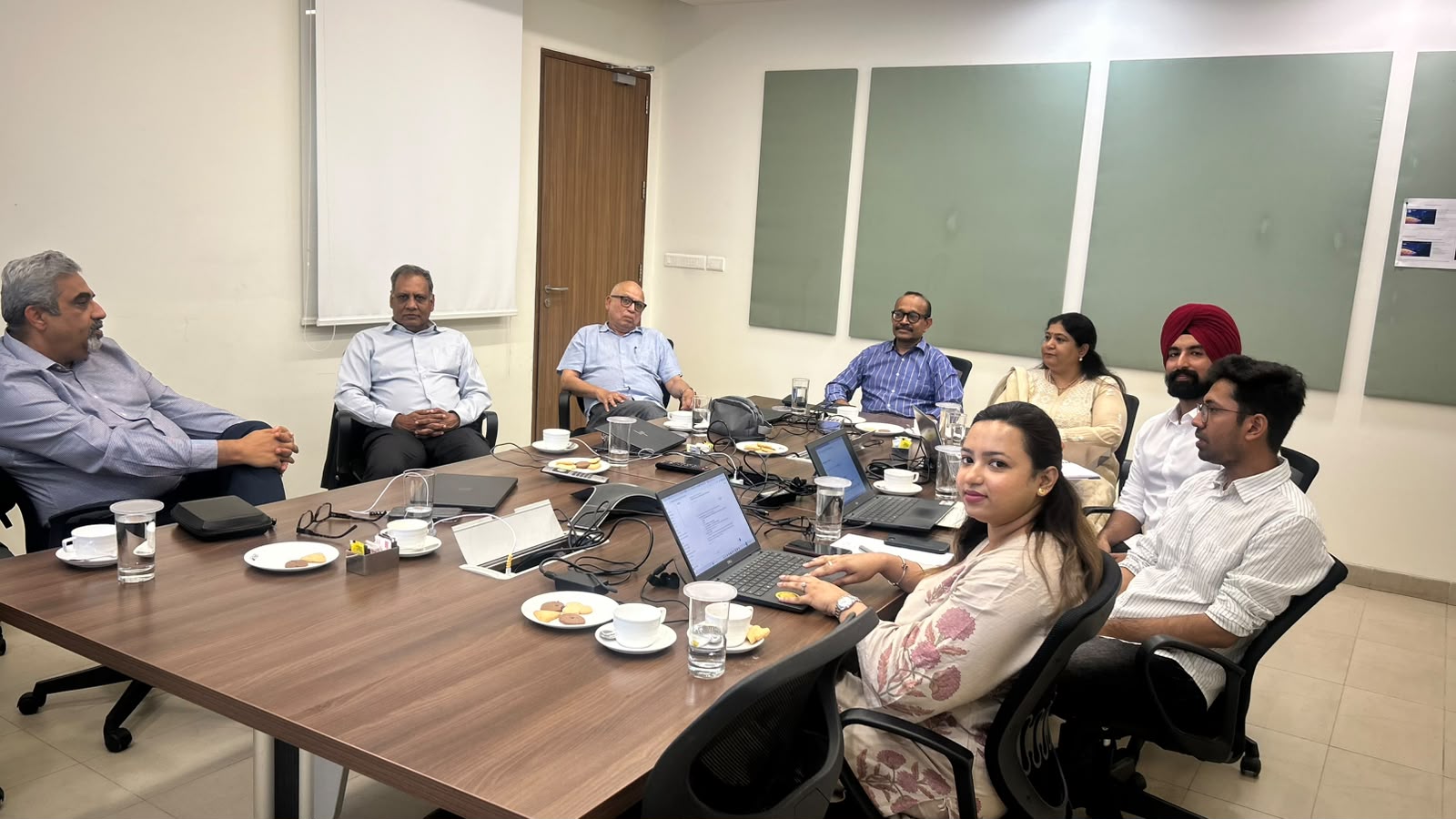
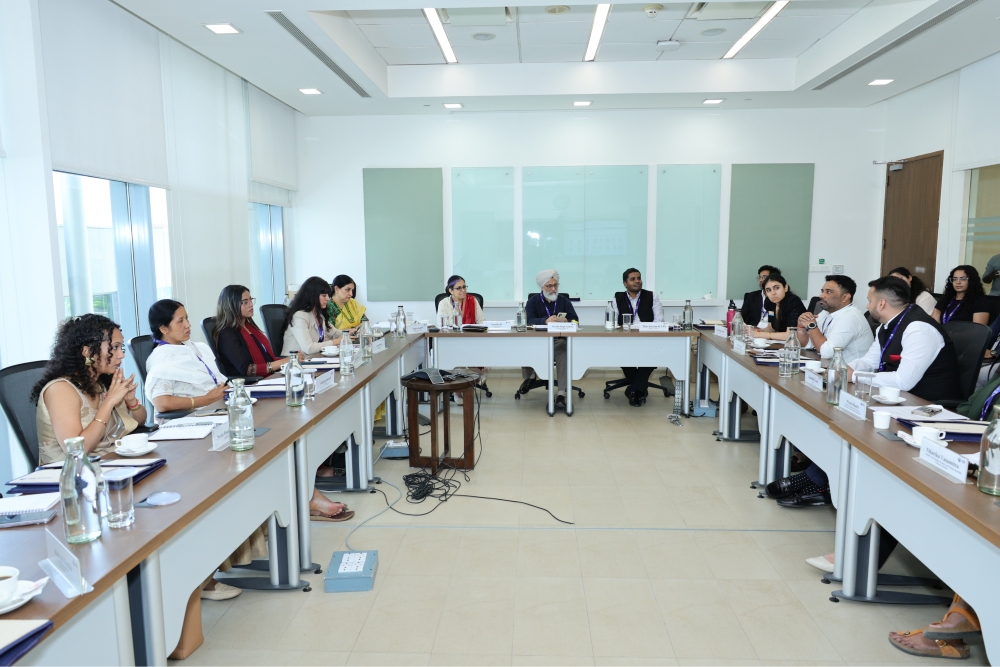
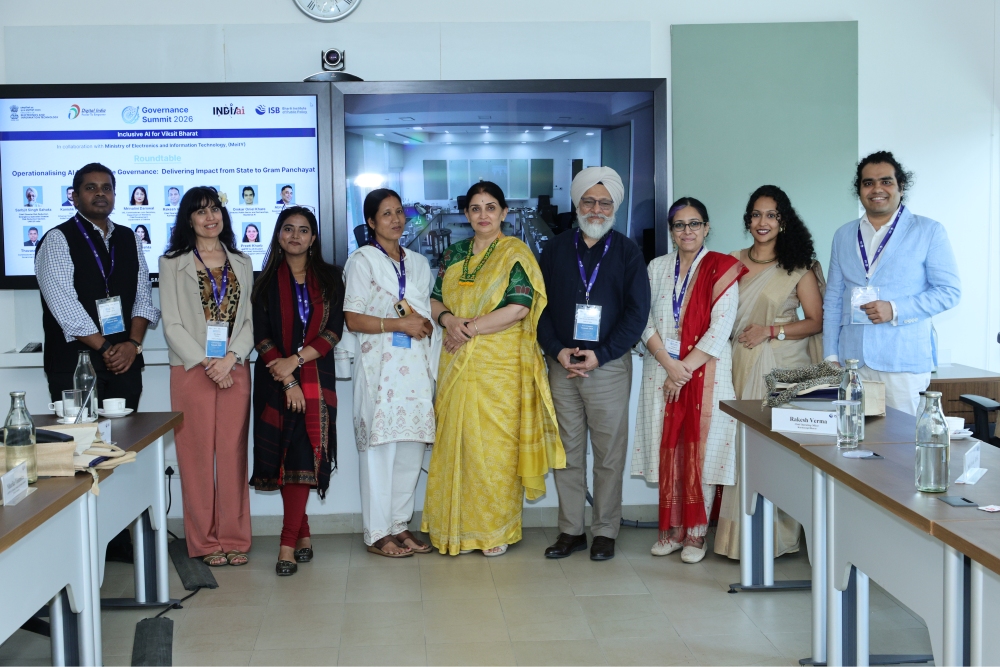
The summit also convened a roundtable on "Operationalising AI from States to Gram Panchayats under Viksit Bharat 2047," which focused on translating AI policy into scalable public-sector implementation. The deliberations culminated in a proposal to develop a Policy Brief to guide the responsible integration of AI into public systems.
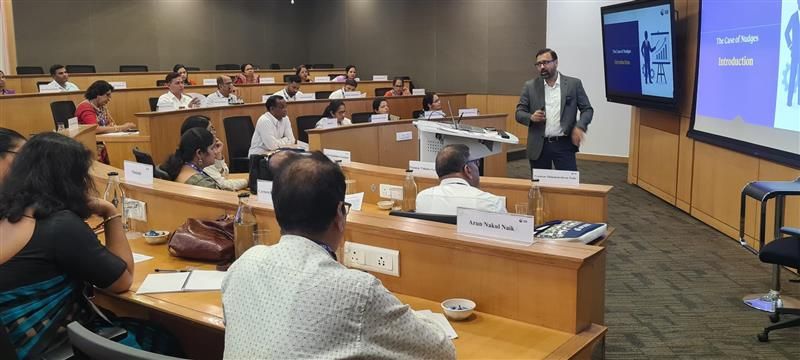
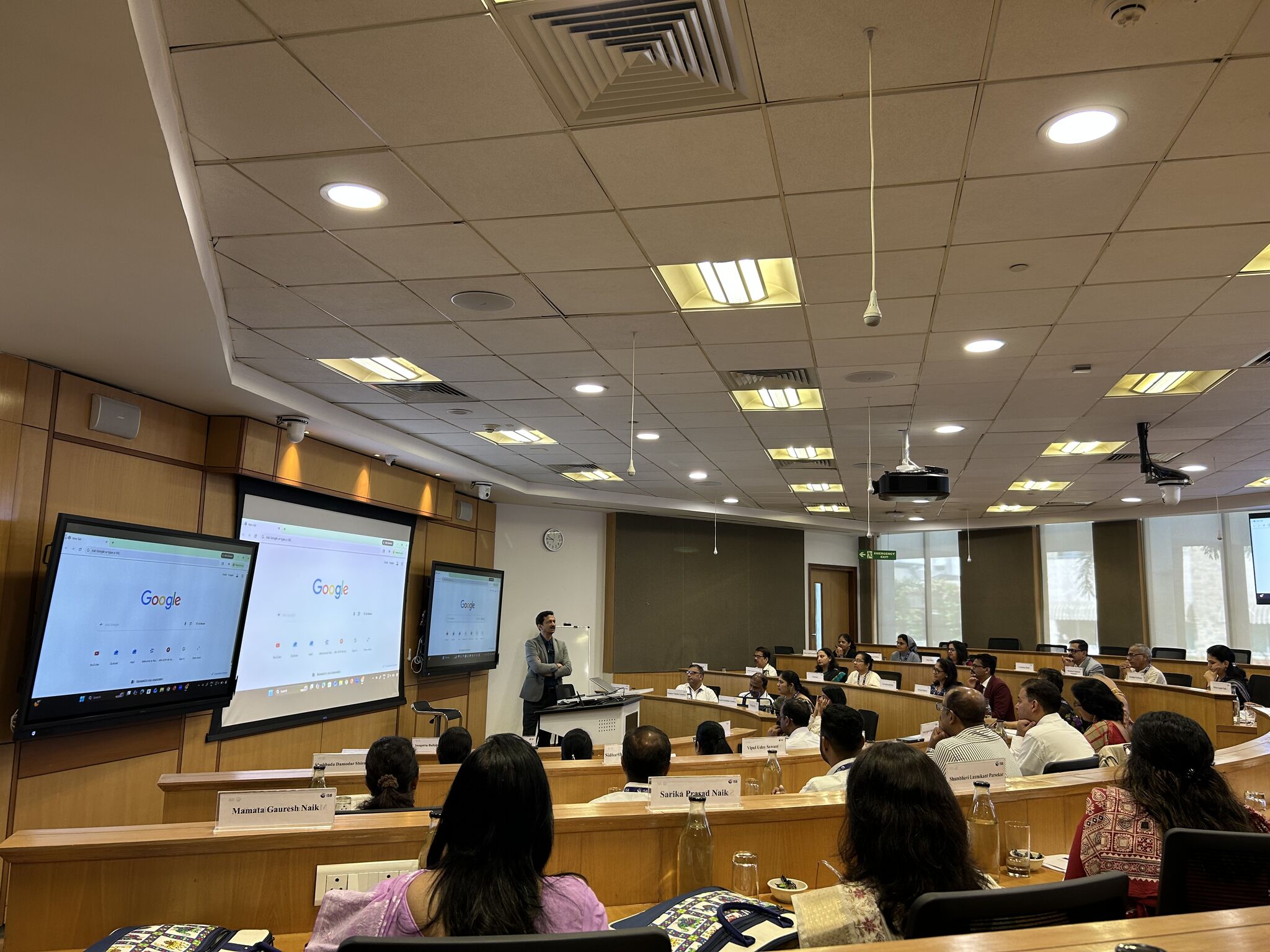
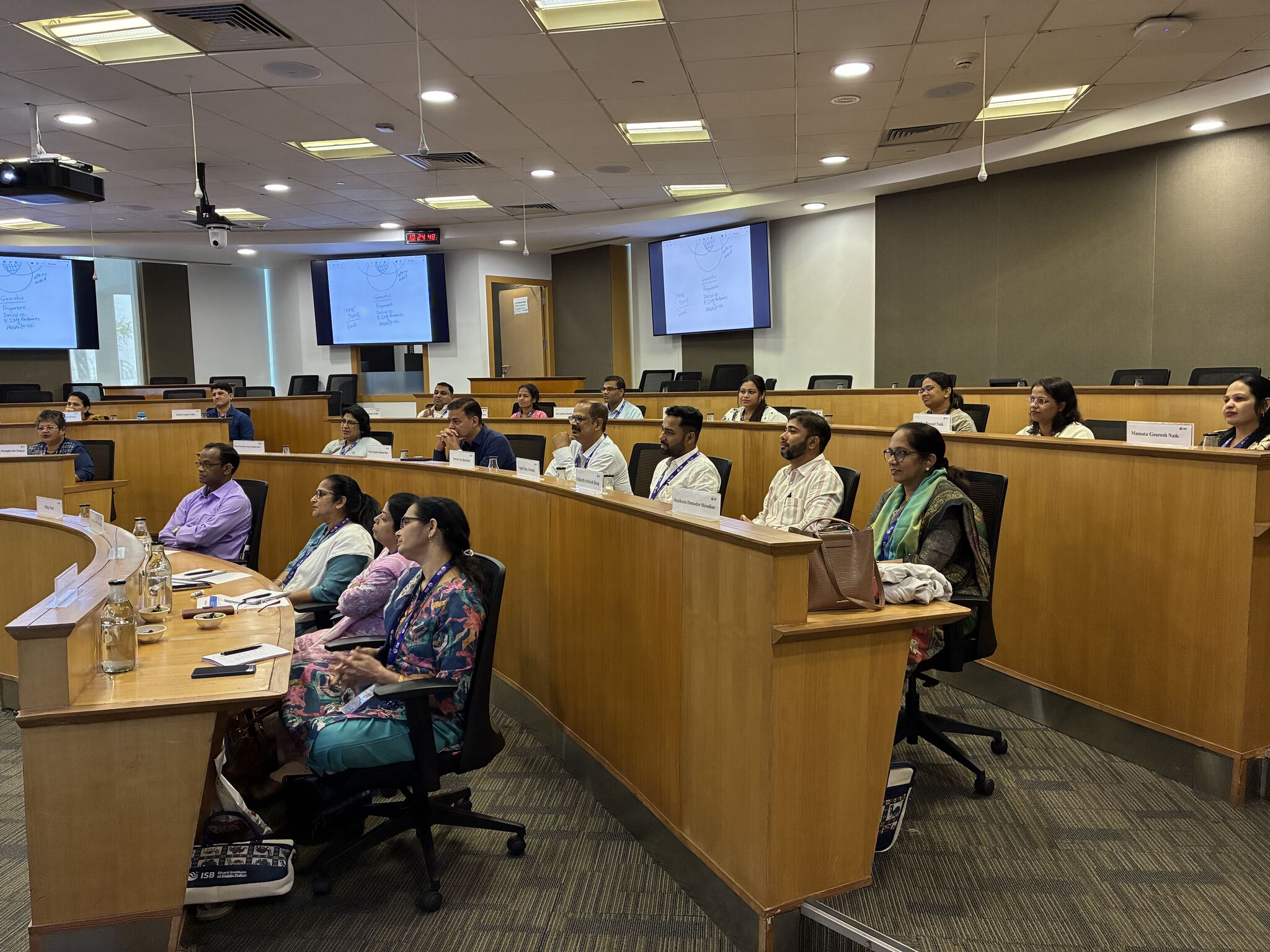
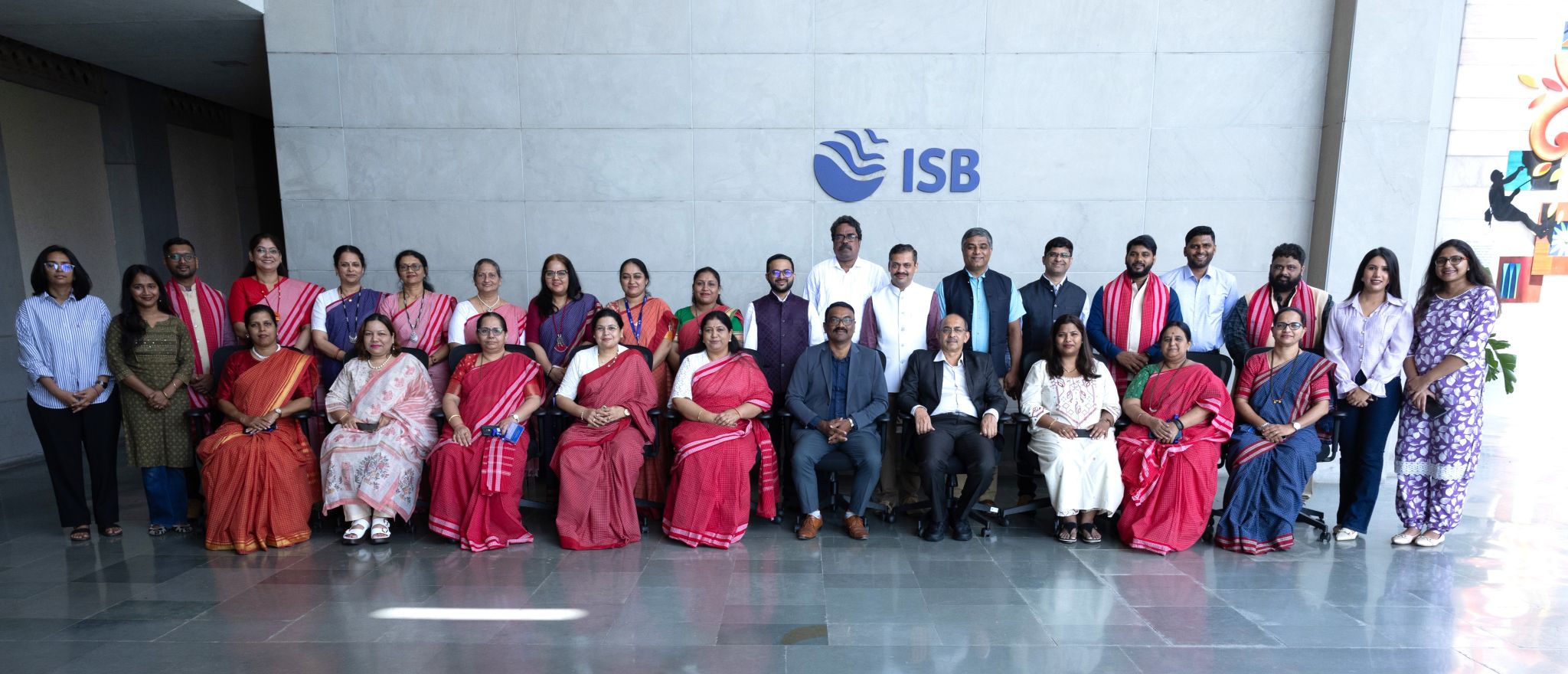
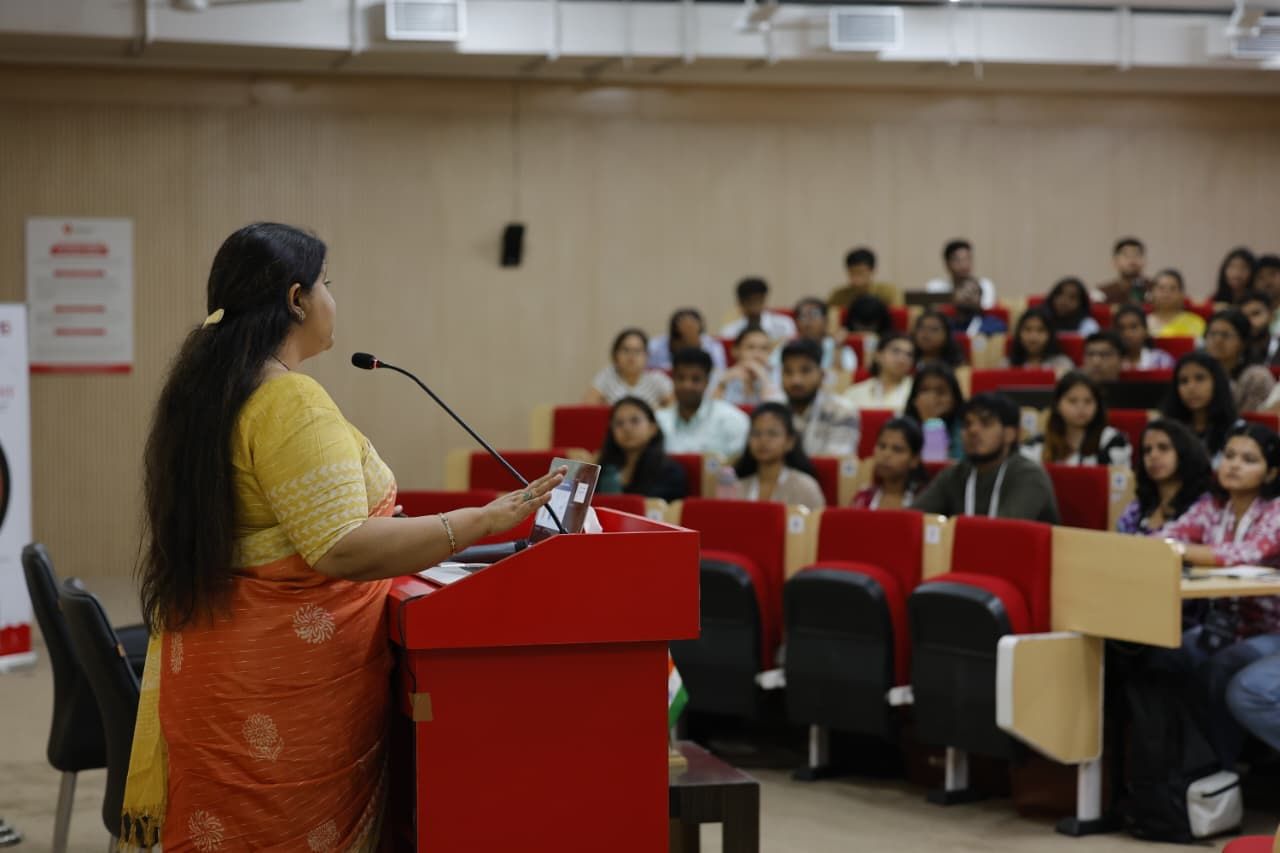
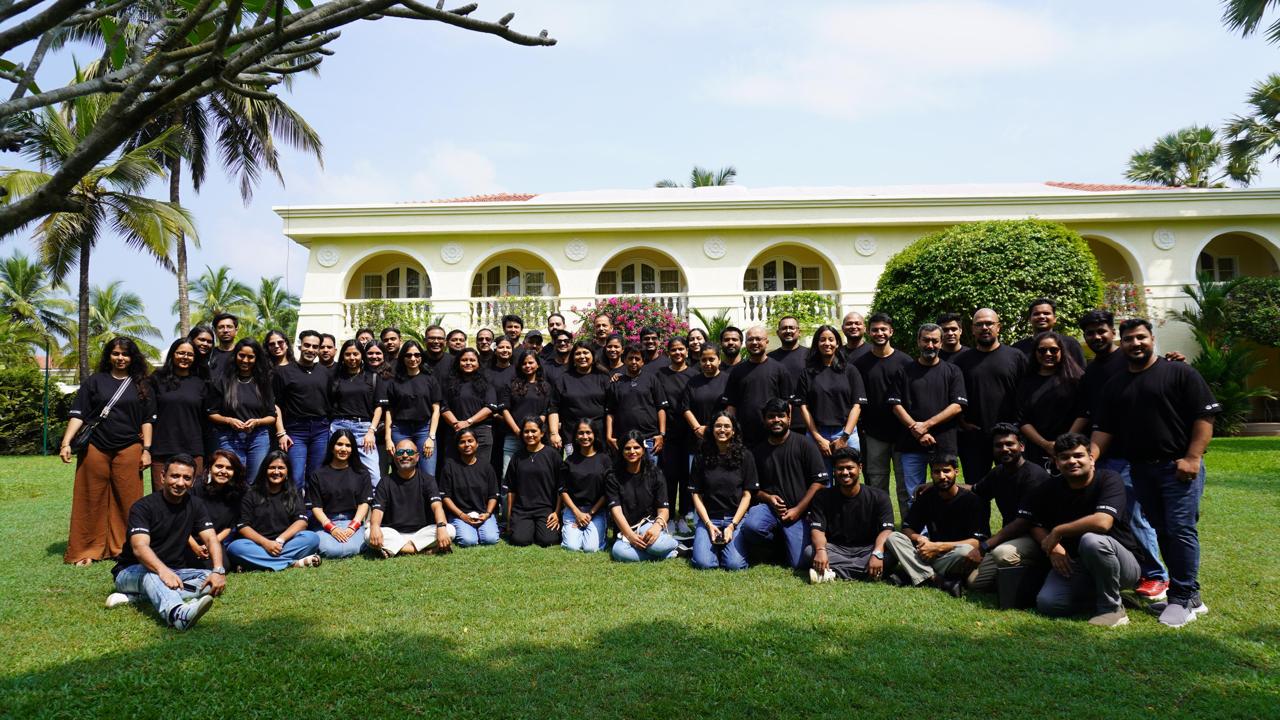
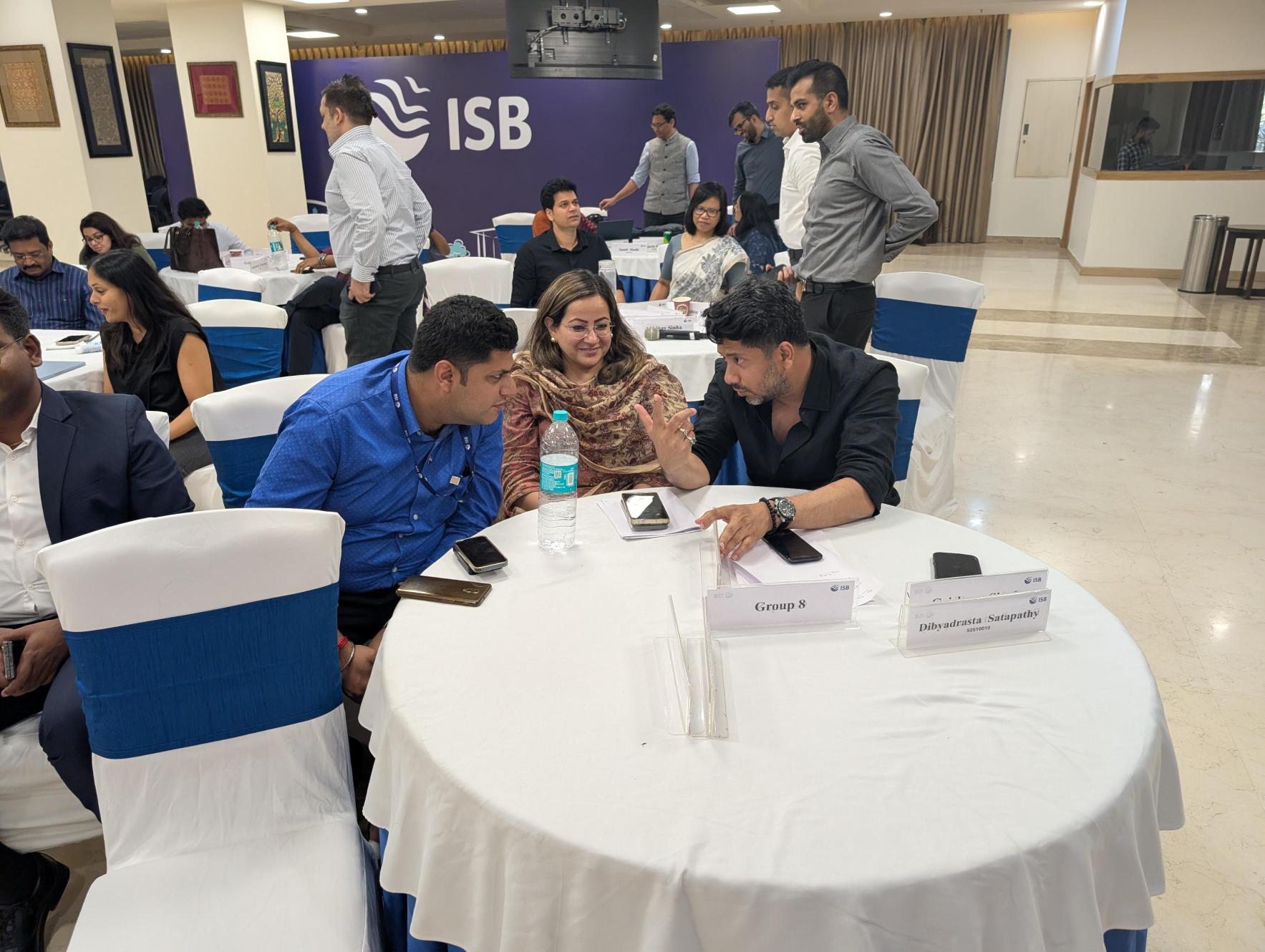
The summit was moderated by participants of tenth cohort of the Advanced Management Programme in Public Policy, reflecting the institute’s commitment to training the next generation of policy leaders.

.jpg)