Vol. 5, Issue 4, 2026

COMMUNIQUÉ

Welcome to the latest issue of Communiqué. As we progress through 2026, this edition reflects on the first quarter from January to March, a period of strong momentum, collaboration, and lasting impact. Building on prior successes, we have advanced our work in research, policy engagement, and capacity building. From hosting the third edition of our flagship event— Public Policy Dialogues, to dynamic knowledge workshops and multi-stakeholder consultations to ongoing research projects and strategic partnerships, this quarter accentuates our commitment to data-driven policies and tangible progress. We have also built stronger ties with diverse stakeholders, helping us turn insights into real-world impact. In this issue, discover highlights of our latest initiatives, key achievements, and thought leadership shaping our path forward.

HIGHLIGHTS

Public Policy Dialogues 2026

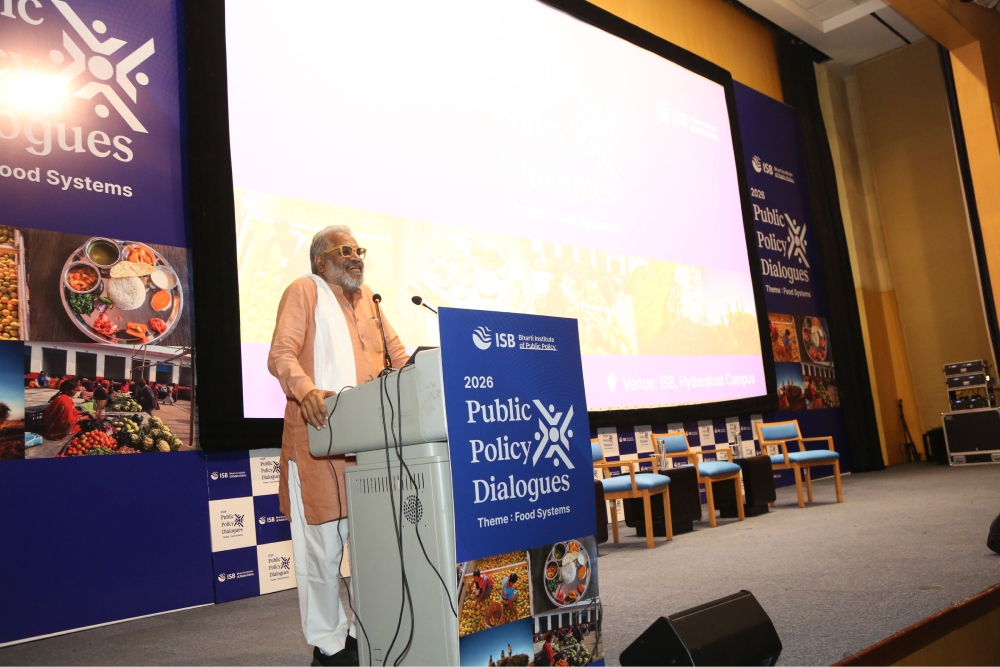
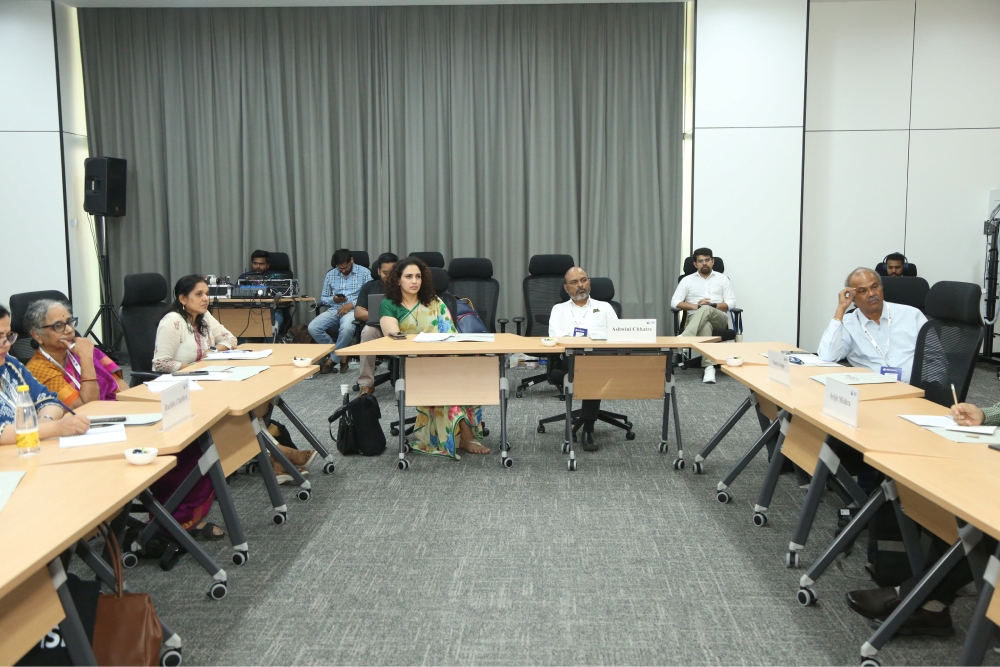
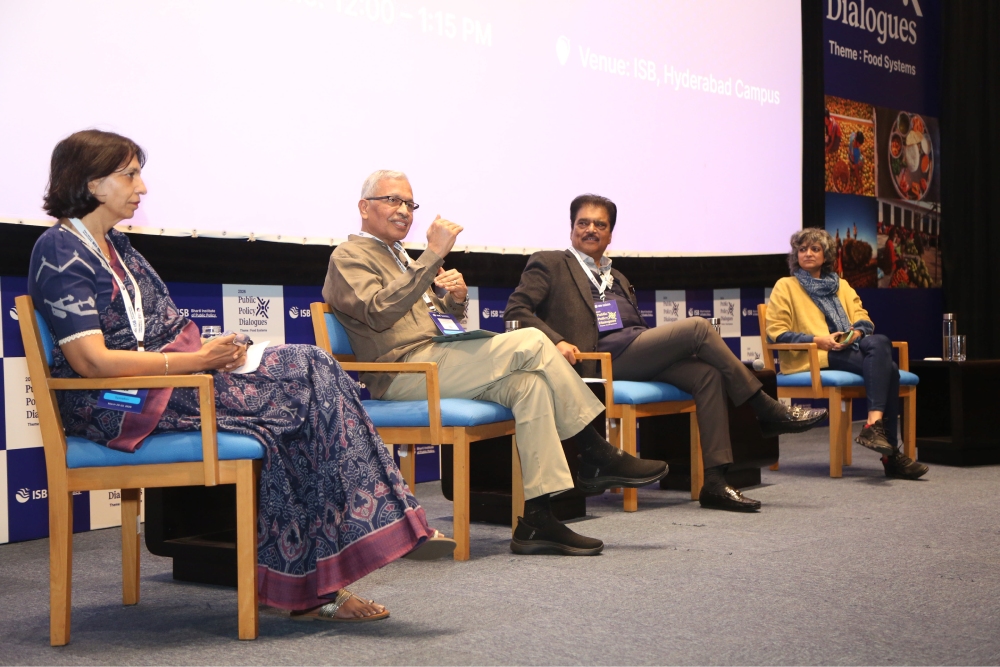
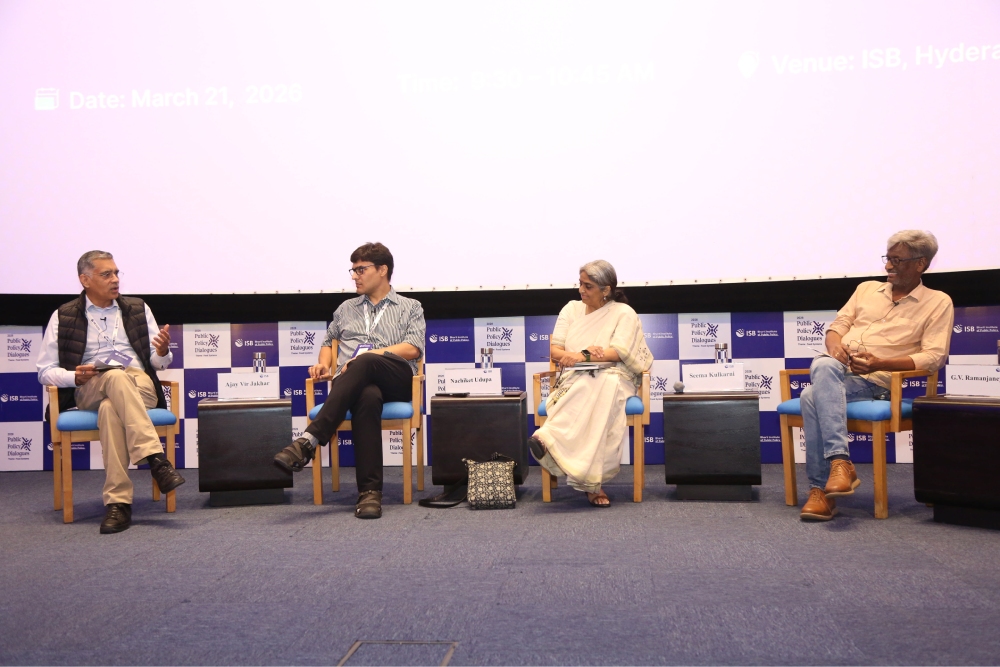
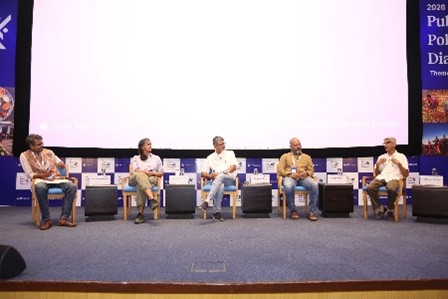
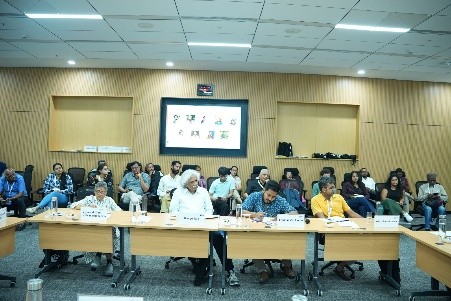
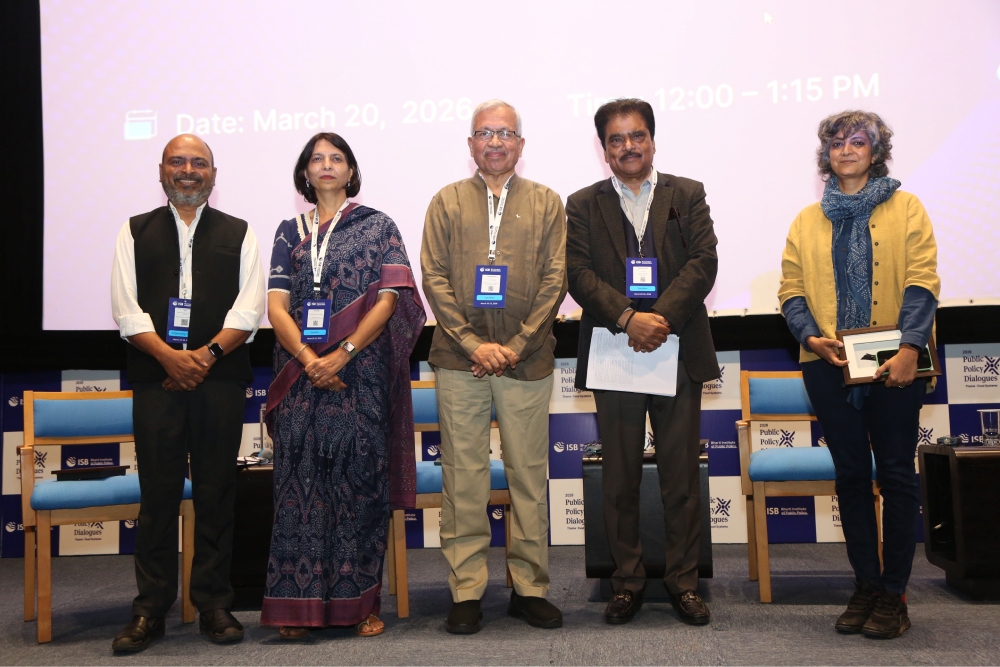
The Bharti Institute of Public Policy, Indian School of Business (ISB), hosted the third edition of its flagship event—Public Policy Dialogues (PPD) on “Food Systems”, at the Indian School of Business, Hyderabad campus.

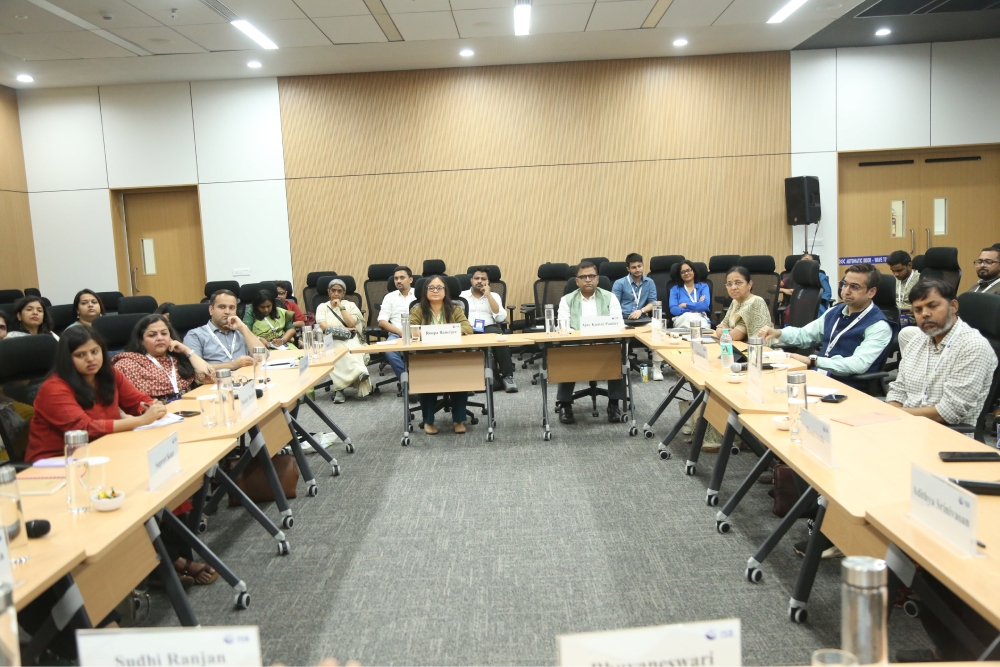
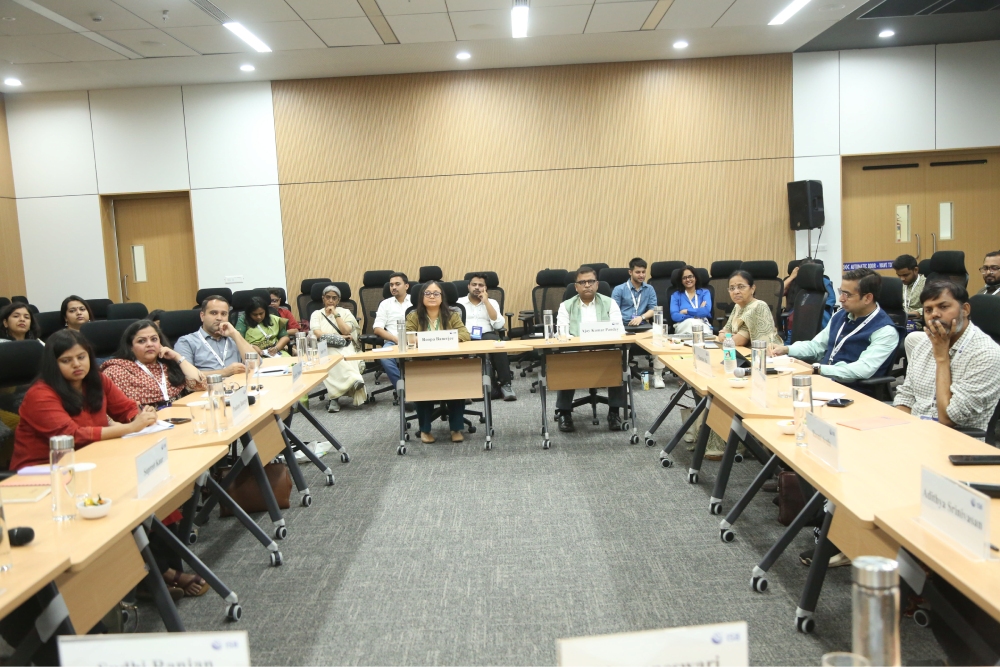
The three-day event (March 20–22) brought together policymakers, researchers, practitioners, academics, community leaders, and civil society members to advance system-oriented approaches to food systems, security, nutrition, sustainability, and economic development in India.

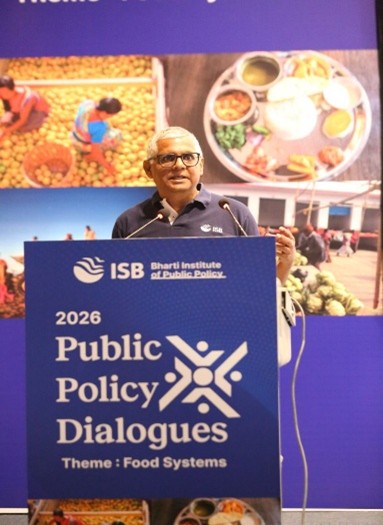
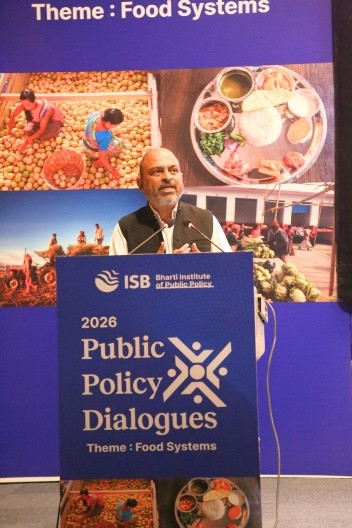
The inaugural session featured Prof. Ashwini Chhatre, Associate Professor and Executive Director, Bharti Institute of Public Policy and Conference Chair; and Prof. Madan Pillutla, Professor and Dean, Indian School of Business; and keynote speaker Shri Pasha Patel, Chairman, State Agricultural Price Commission, Maharashtra, and Executive Chairman of the Chief Minister’s Environment & Sustainable Development Task Force. In his welcome address, Prof. Chhatre shared his vision behind this year’s theme, “India’s food system needs our help. It is under profound stress. But it is something that we barely understand. And what we need as a first step is to acknowledge that. The challenge is not a shortage of ideas, but a shortage of integrated thinking. We attempt to look at food systems through three crucial lenses, which affect the food systems the most- culture, markets and policy”.

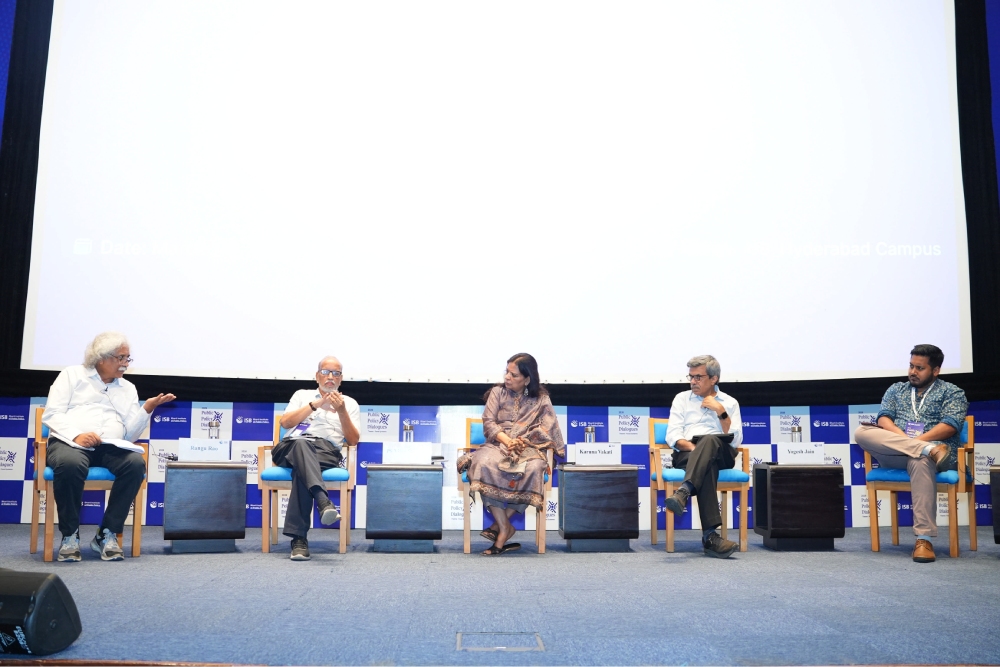
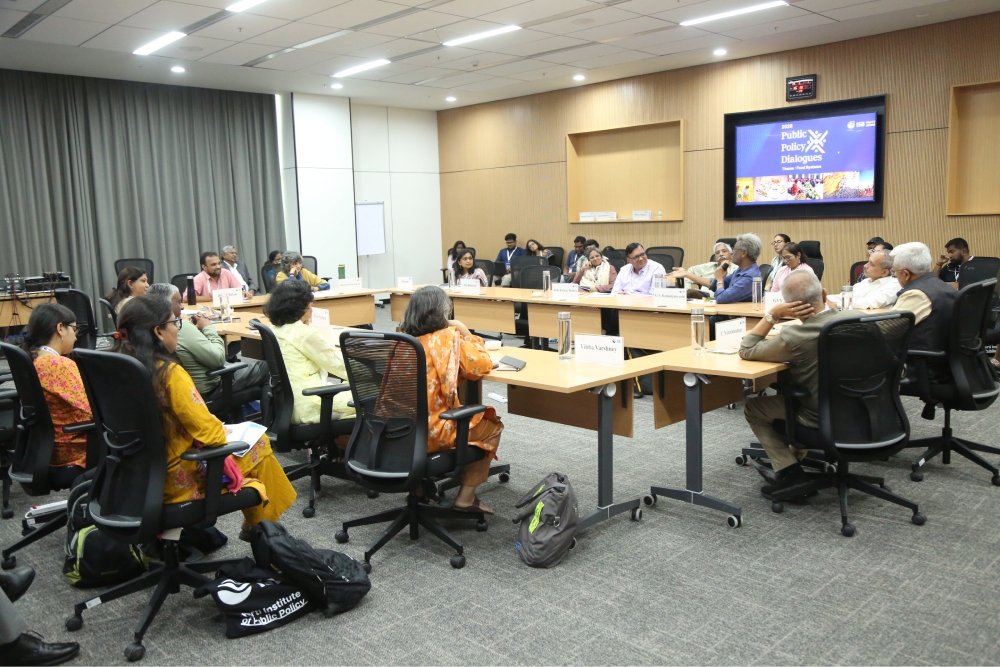
The day commenced with a panel discussion on “Governance for Food Systems: Opportunities for Horizontal and Vertical Integration”, focusing on India's nutrition crisis, decentralised nutrition-led production, understanding ground-level power dynamics for effective policymaking and climate-resilient strategies for India's most vulnerable.

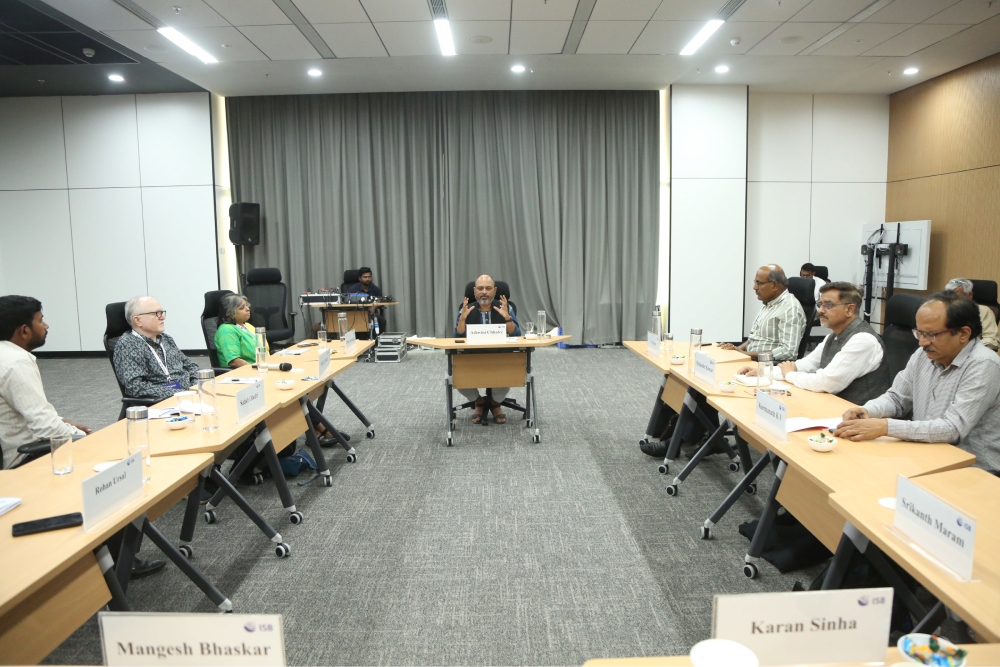
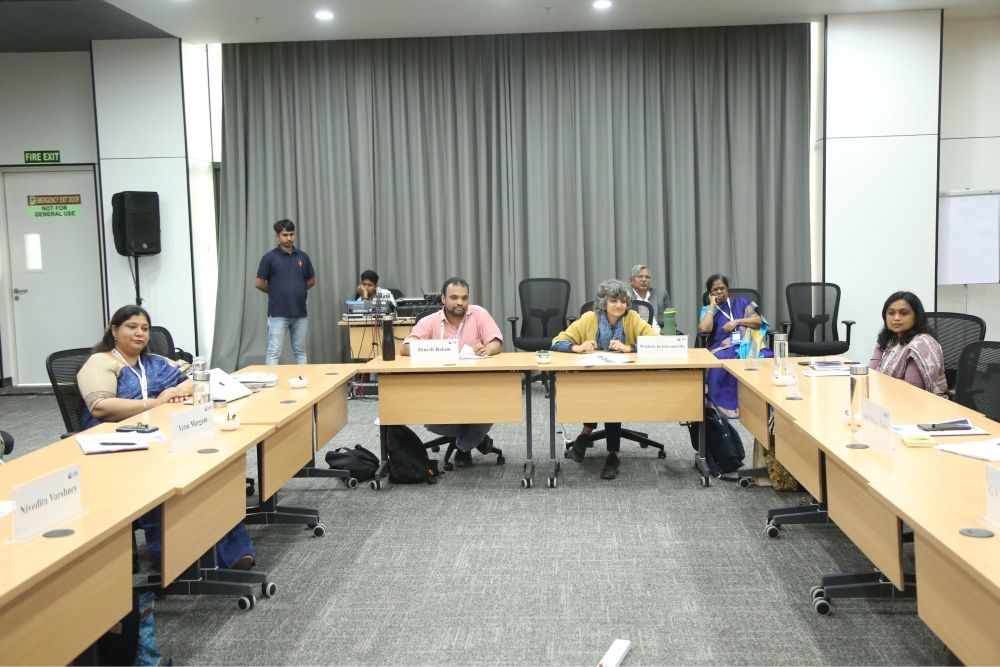
Two parallel roundtables—"State Capacity for Food Systems Transformation” and “Advancing Food System Transformation: Evidence to Policy for a Viksit Bharat and Net Zero Future (with CEEW as partner organisation), were also organised bringing together a multitude of stakeholders. The day concluded with a “Research and Innovation Showcase” highlighting a range of emerging solutions from climate-resilient crop varieties to tech-driven supply chain tools along with the policy conditions needed to bring them to scale.

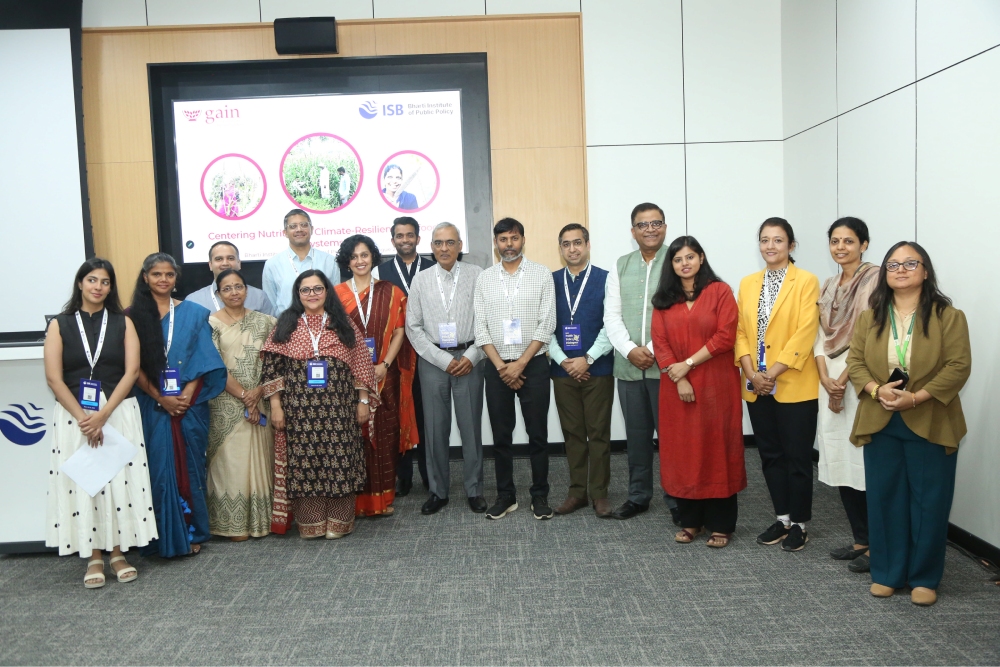
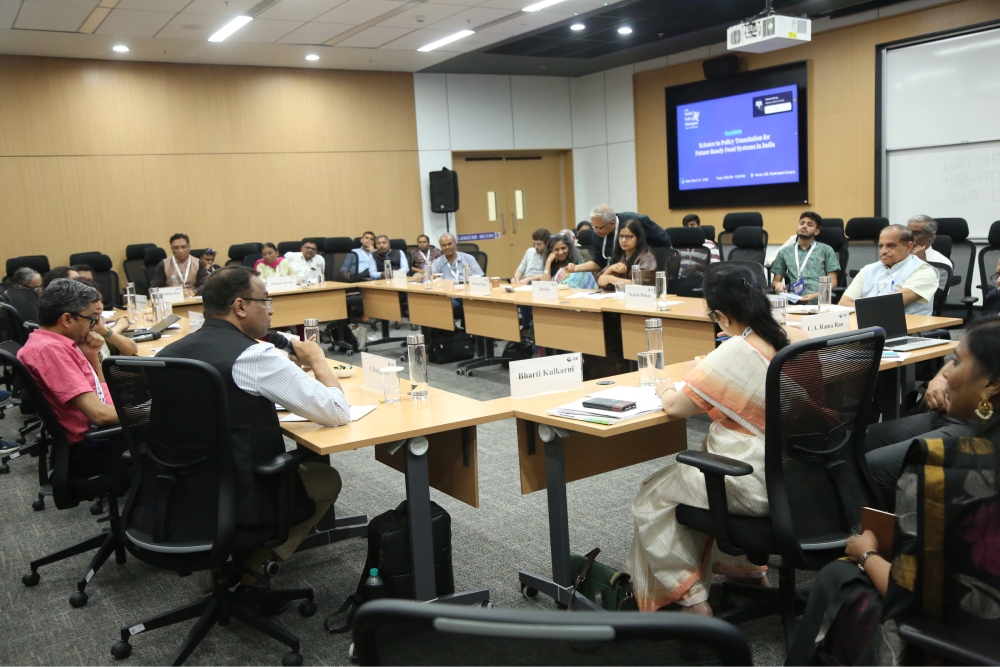
The second day of the event witnessed two panel discussions—"Civil Society and Food Systems” and “Four Axes of Food Systems: Samaaj, Sarkaar, Bazaar and Sanchar” (co-hosted by KrishidotSystem)”. The first panel brought together some of the sharpest minds from the agri sector who unpacked how we move from a poly-crisis of degraded resources and farmer distress toward a principle of care. The second panel dissected the trust deficit between farmers, markets, and the state, and why citizen-led systems and honest communication are the only way to break corporate capture of our food chains. Two parallel roundtables— “Science to Policy Translation for Future-Ready Food Systems in India (with NIN-ICMR as partner organisation)” and “Centering Nutrition in Climate-Resilient Agrifood Systems (with GAIN as partner organisation) raised notable questions.

A “Startup Showcase” featuring over a dozen entrepreneurs presenting innovations across the food systems value chain, spanning production, distribution, consumption, nutrition, and resilience, was also organised.

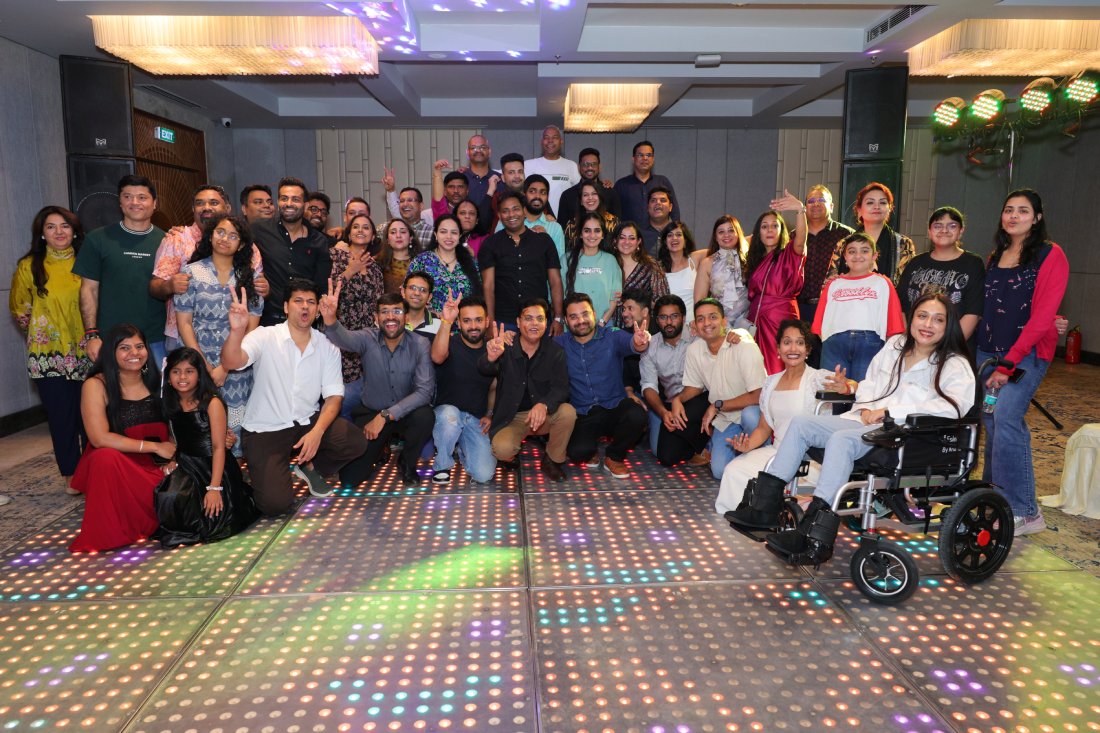
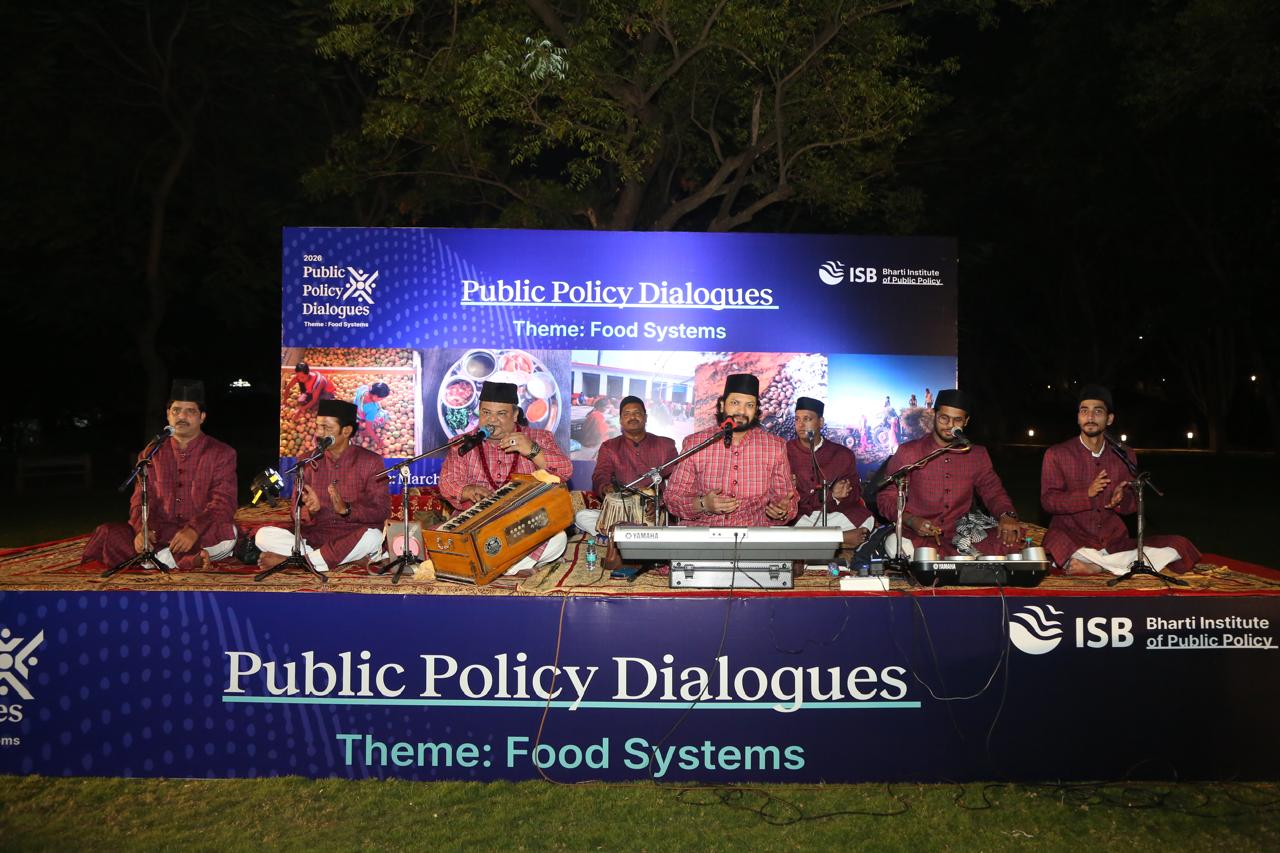
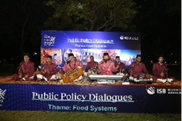
The day closed with a gala dinner enabling participants and delegates to bond over food, culture, and unwind. A Sufi night featuring a live qawwali performance added a memorable cultural dimension to the evening, with the music resonating long after the last note faded.

The final day of PPD commenced with a panel discussion on “Nature-Positive Food Systems” (in collaboration with Safe Harvest). The panel discussion revolved around diversifying public procurement, eliminating hazardous pesticides, and backing smallholder farmers with market access and policy support.

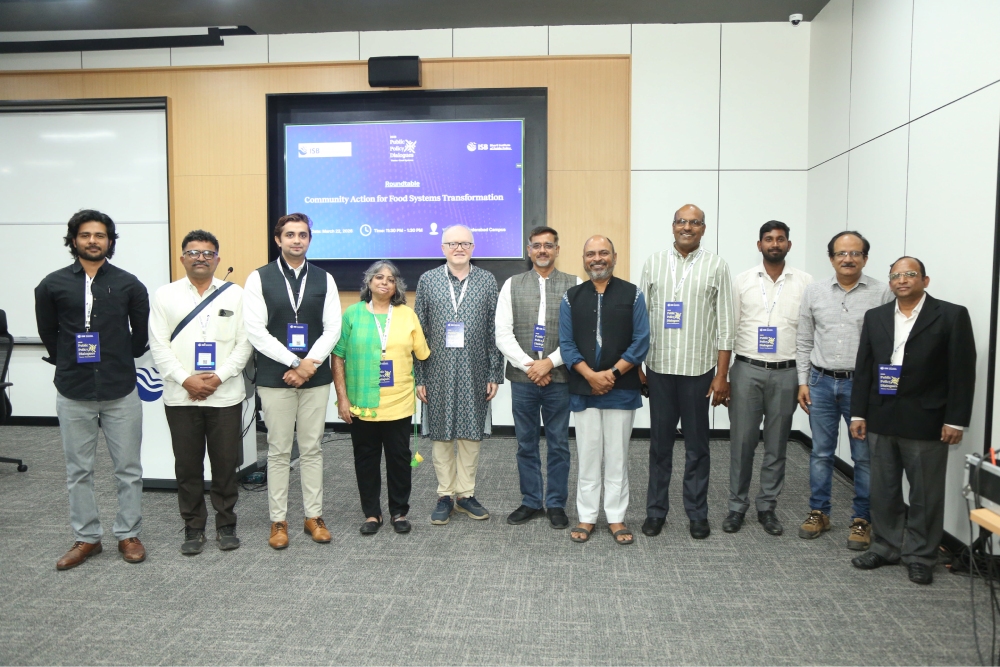
Two parallel roundtables followed— “Changing Food Choices in India: Implications for Business and Policy” (in collaboration with Aline Partners), and “Community Action for Food Systems Transformation” (in collaboration with ISB Centre for Business Innovation) unravelling how India’s palate is changing and how communities are defining transformations, respectively.

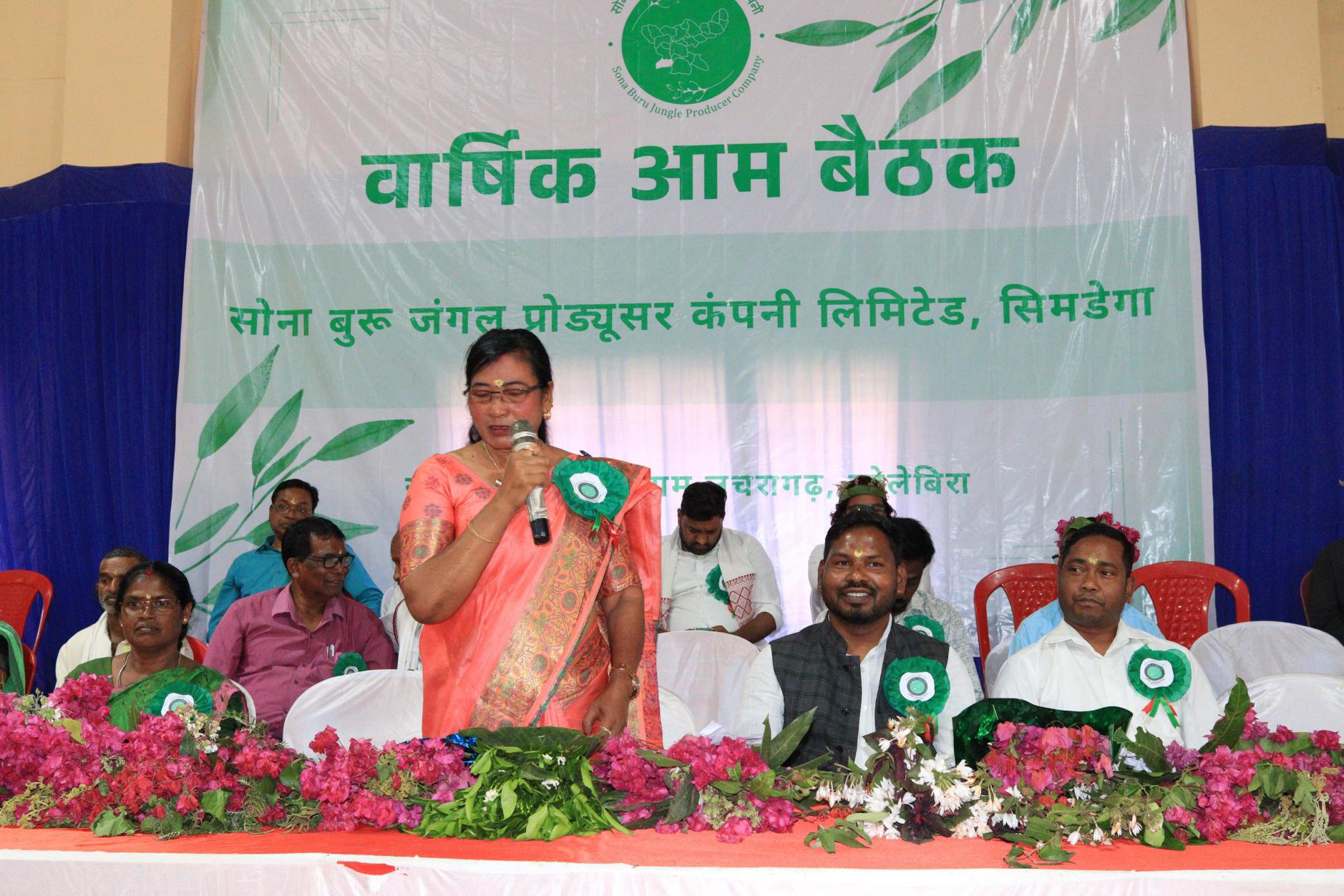
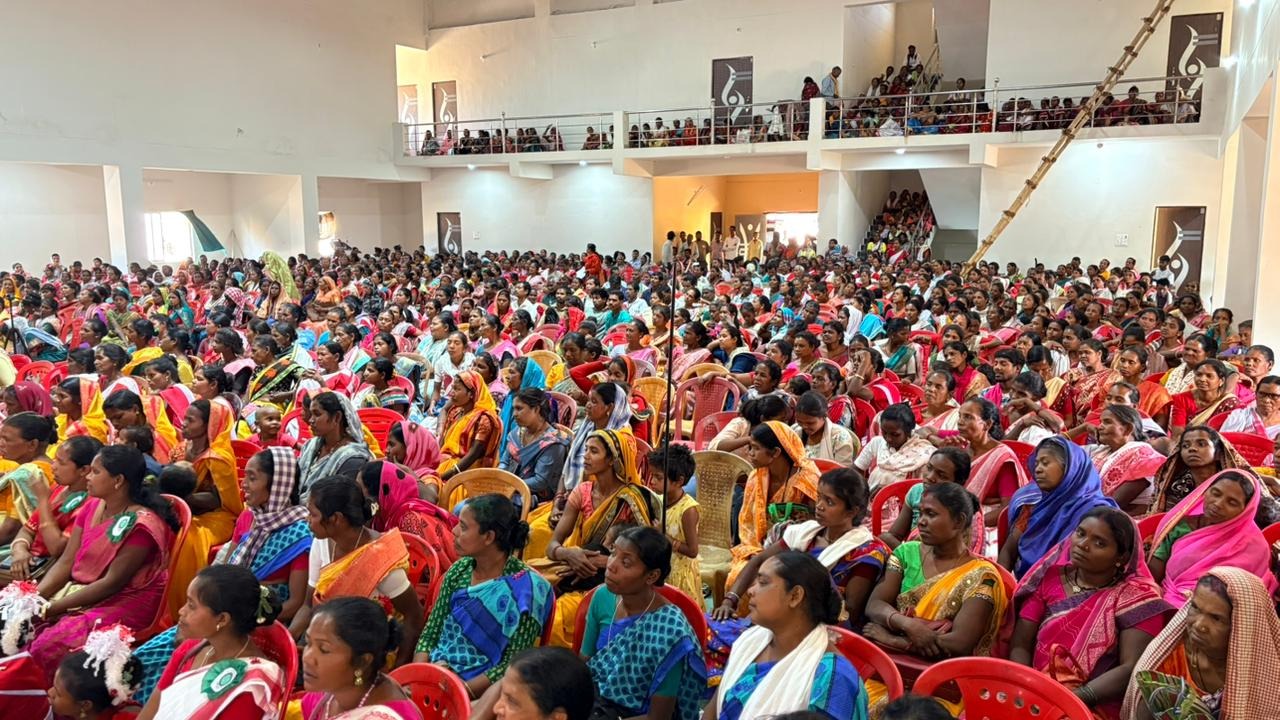
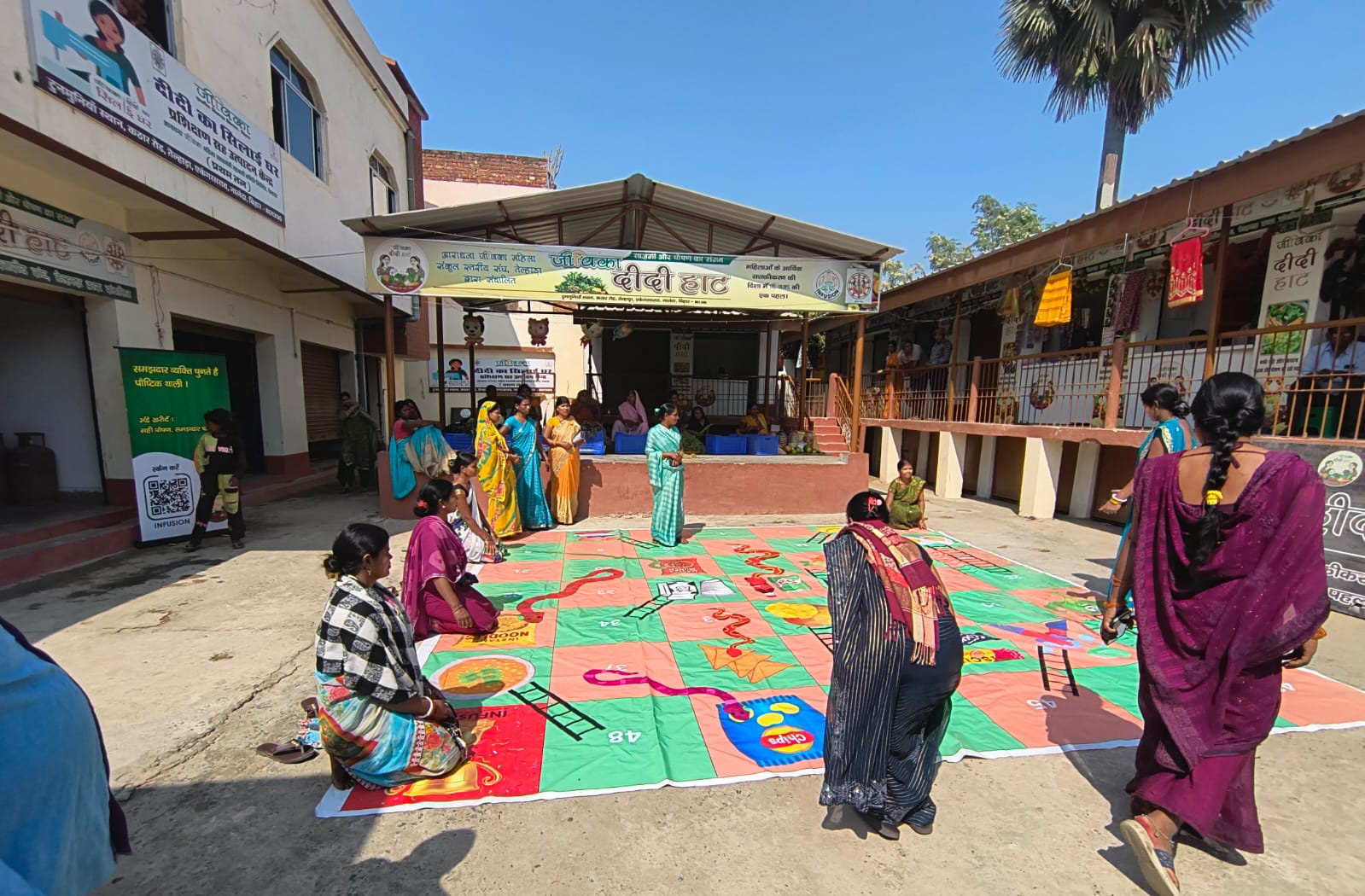
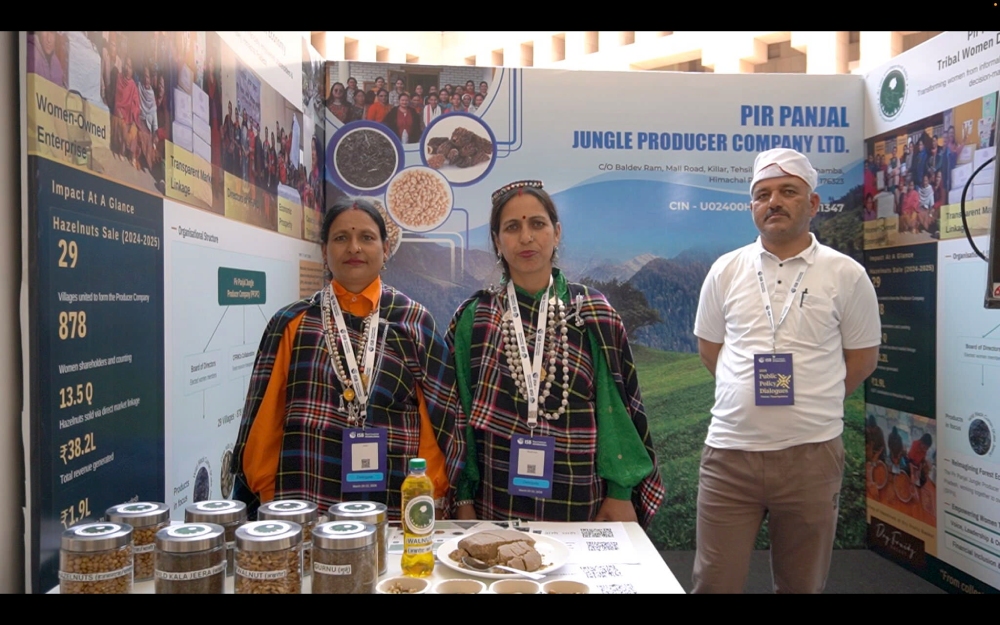
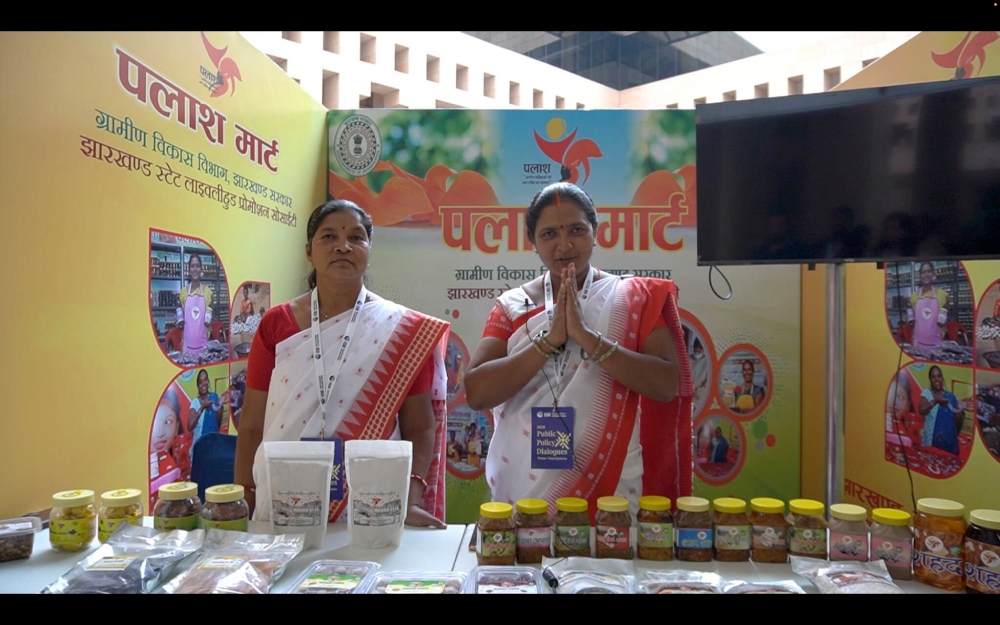
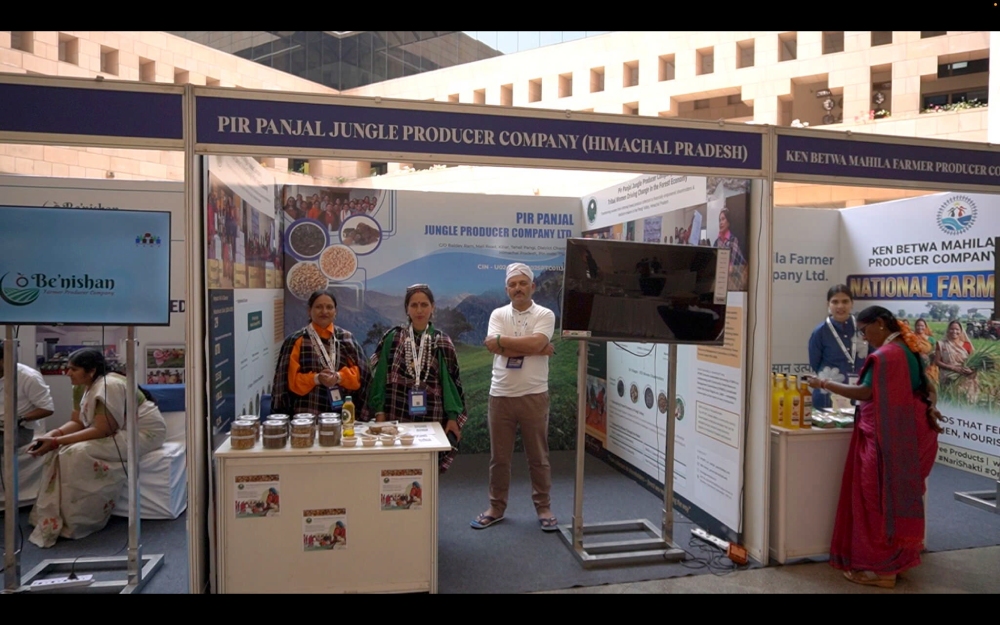
The highlight of the final day was the “Women’s Collective Showcase” celebrating the women behind collectives who travelled across the length and breadth of the country, turning solidarity into strength, and communities into movements. The participating organisations included Pir Panjal Jungle Producer Company, Himachal Pradesh; MSRLM-Umed, Maharashtra; Jharkhand State Livelihood Promotion Society (JSLPS); Benishan, Telangana; Didi Ki Rasoi, Bihar; Kudumbashree, Kerala; Ken Betwa Mahila Farmer Producer Company Private Limited, Madhya Pradesh; Utthan, Gujarat; and Deccan Development Society (DDS), Telangana.
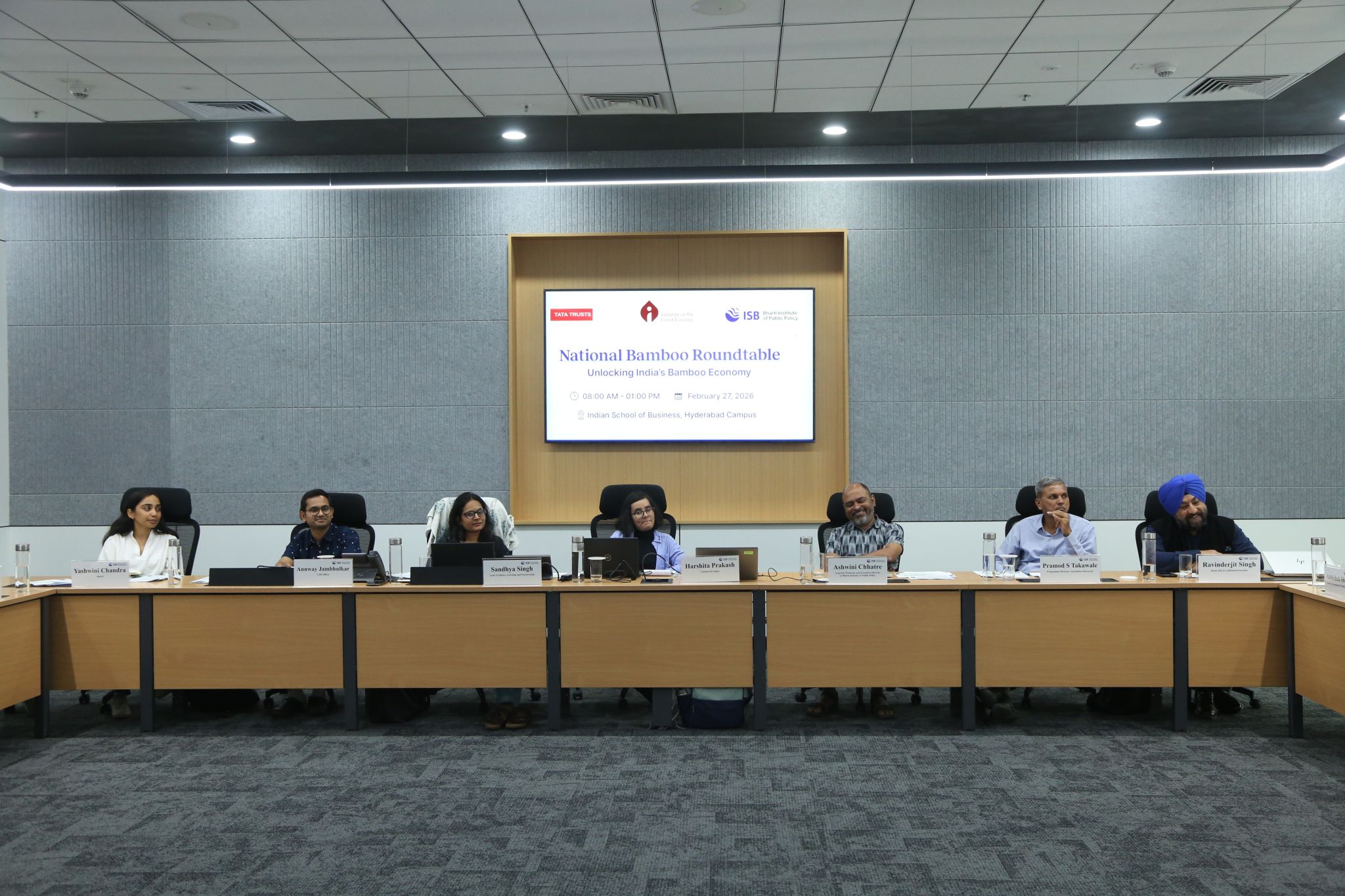
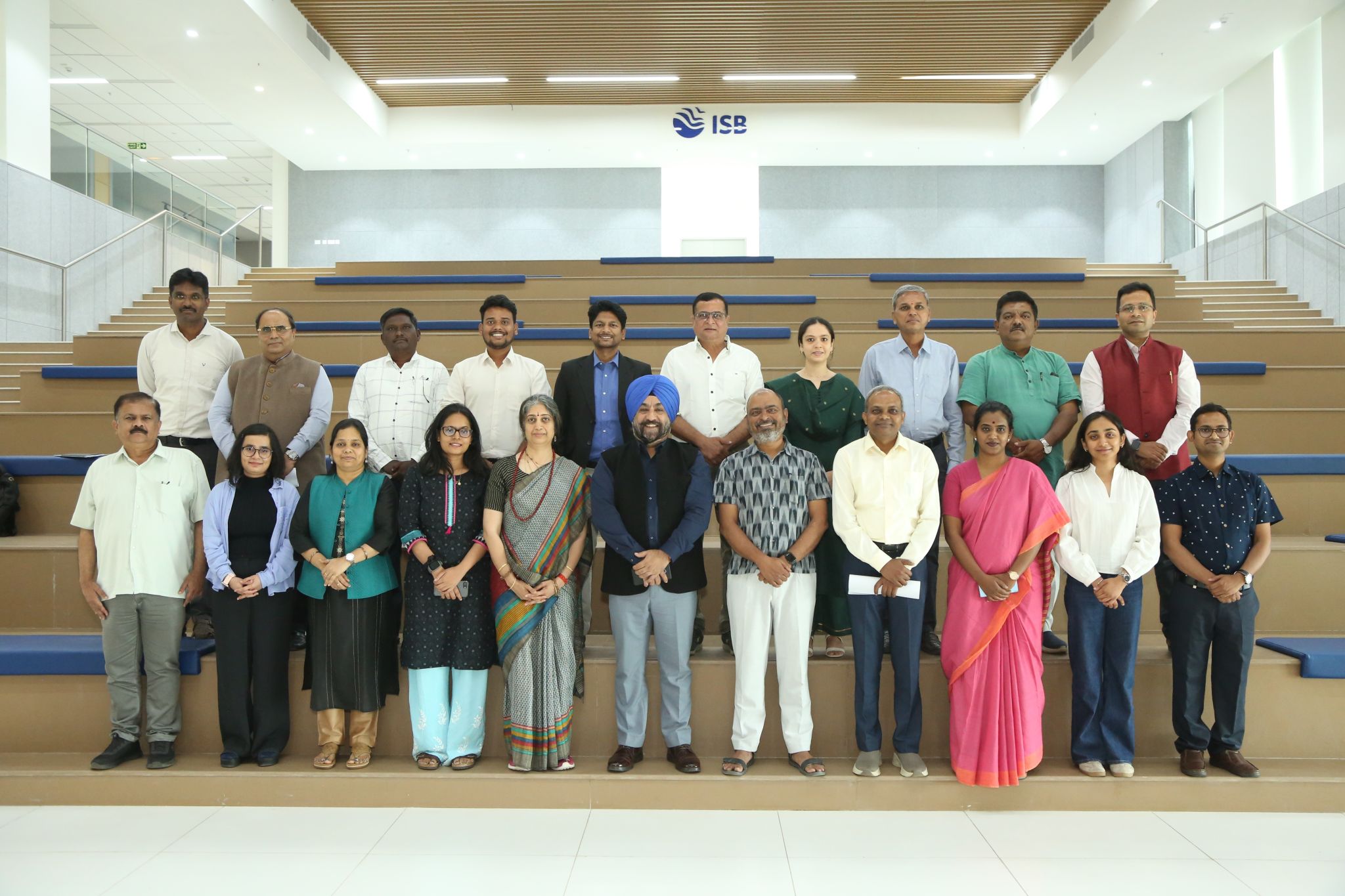
National Bamboo Roundtable

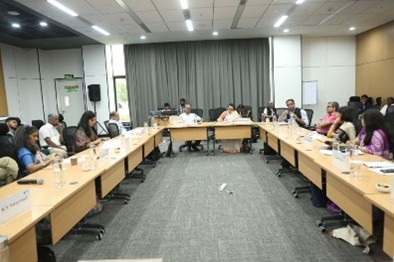
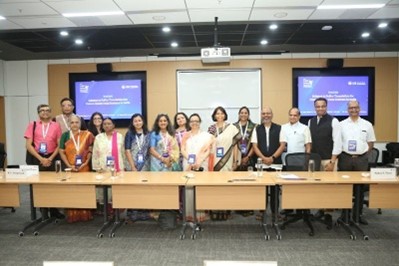
The Bharti Institute of Public Policy organised a two-day (26th to 27th February) National Bamboo Roundtable, in partnership with Tata Trusts, at the Indian School of Business (ISB), Hyderabad, campus. The roundtable, brought together 20 stakeholders across India’s bamboo value chain, including community forest rights (CFR) collectives, industrial buyers, entrepreneurs, policymakers, researchers, and philanthropic organisations. The roundtable discussions were conducted across four thematic sessions, focusing on key challenges and opportunities within India’s bamboo value chain. Over two days, discussions centred on the gap between India's resource strength, with nearly 30% of global bamboo reserves, and its less than 4% share of the USD 71.63 billion global market. The roundtable mapped supply-demand dynamics and explored collaborative pathways through thematic working groups on CFR governance, bamboo plantations, and cluster-based industrial alignment, with a focus on planning coordinated, long-term sector growth.

National Design Workshop on Food Systems Capacity Building for Civil Servants

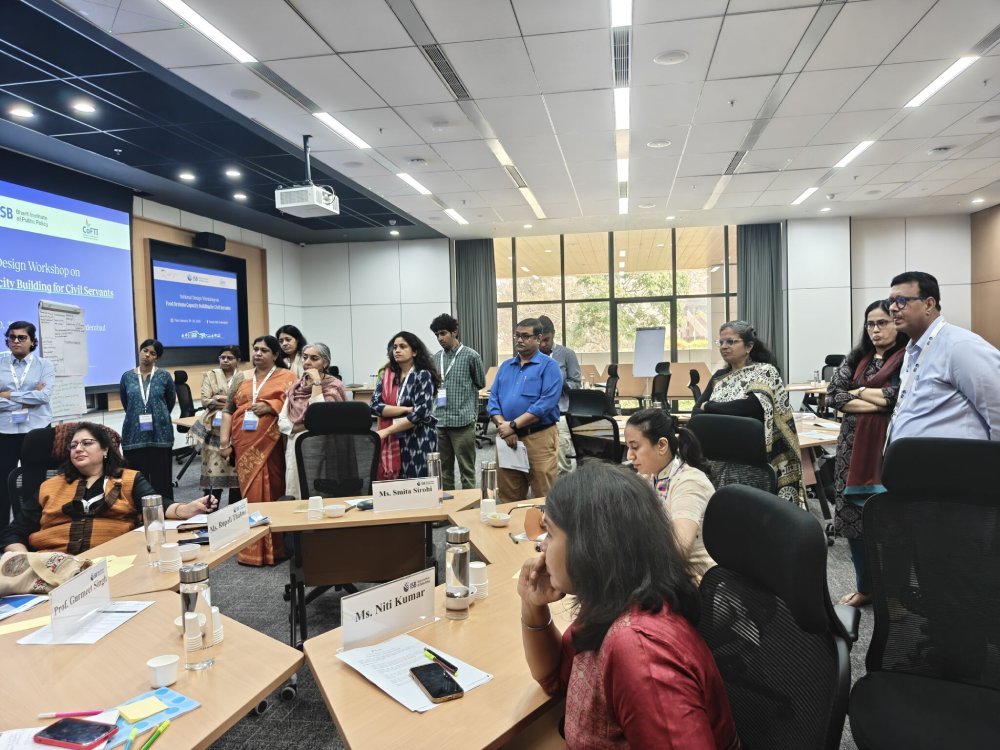
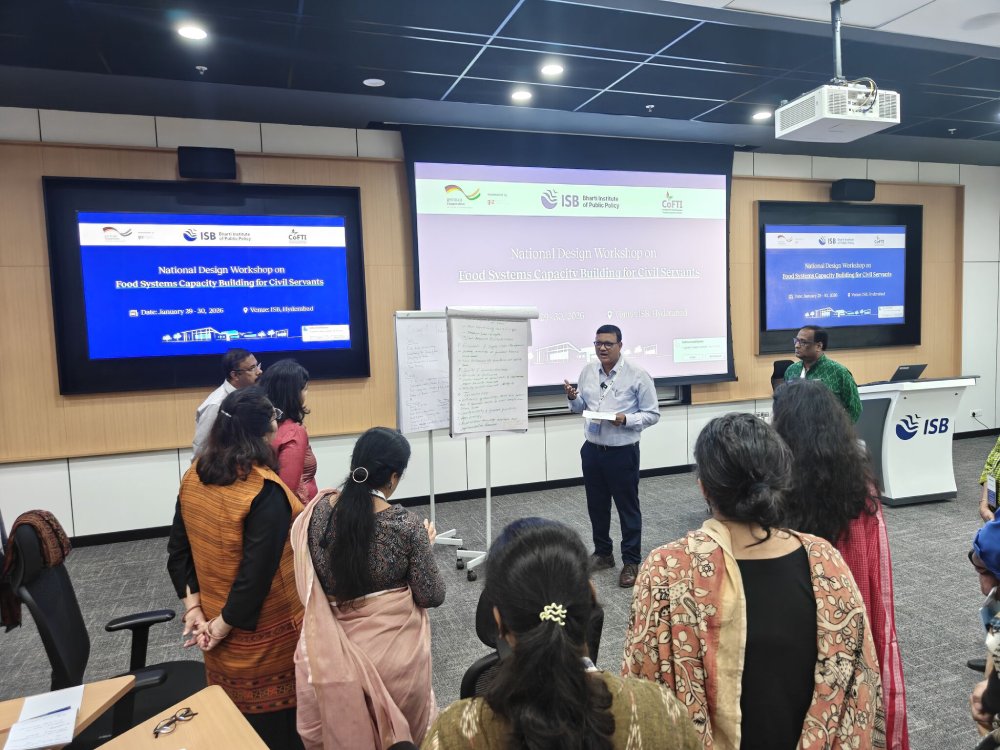
The Bharti Institute of Public Policy, in collaboration with GIZ India, organised the first National Design Workshop on Food Systems Capacity Building for Civil Servants (29th to 30th January), at the ISB Hyderabad campus. The workshop was led by Prof. Ashwini Chhatre, Associate Professor and Executive Director; Dr. Aarushi Jain, Policy Director and Head of Government Affairs; and Prof. Anjal Prakash, Clinical Associate Professor (Research) and Research Director, Bharti Institute of Public Policy, Indian School of Business. The programme gathered diverse stakeholders to encourage open conversations, cross-sector teamwork, and navigate through new ideas for transforming food systems.

Emphasising moving beyond conventional training approaches towards technology-enabled leadership capable of navigating interconnected challenges, Prof. Ashwini Chhatre presented a forward-looking 15-year vision for food systems leadership in India. He highlighted the need to address the ‘invisibility’ of complex and dynamic food systems.
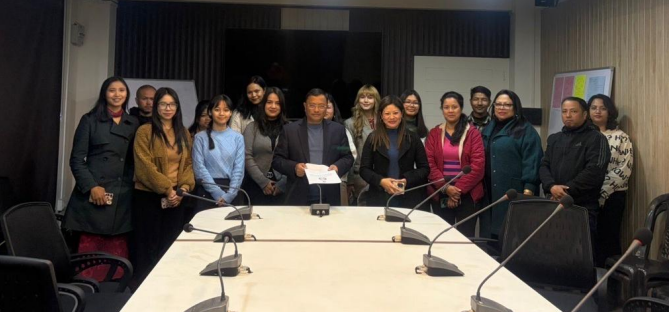
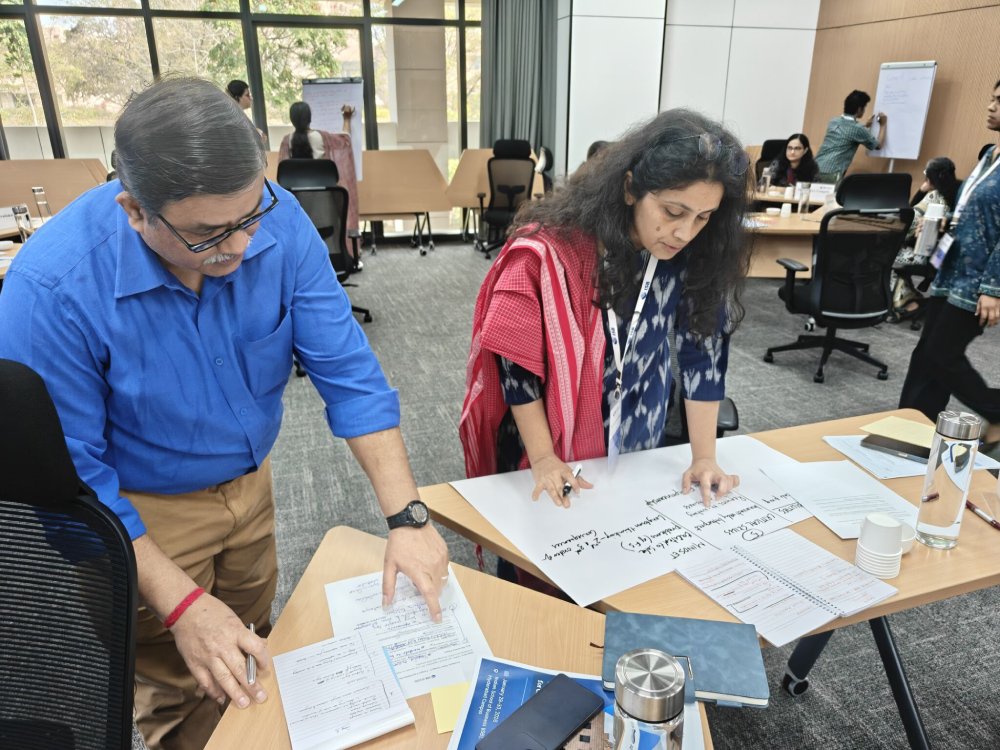
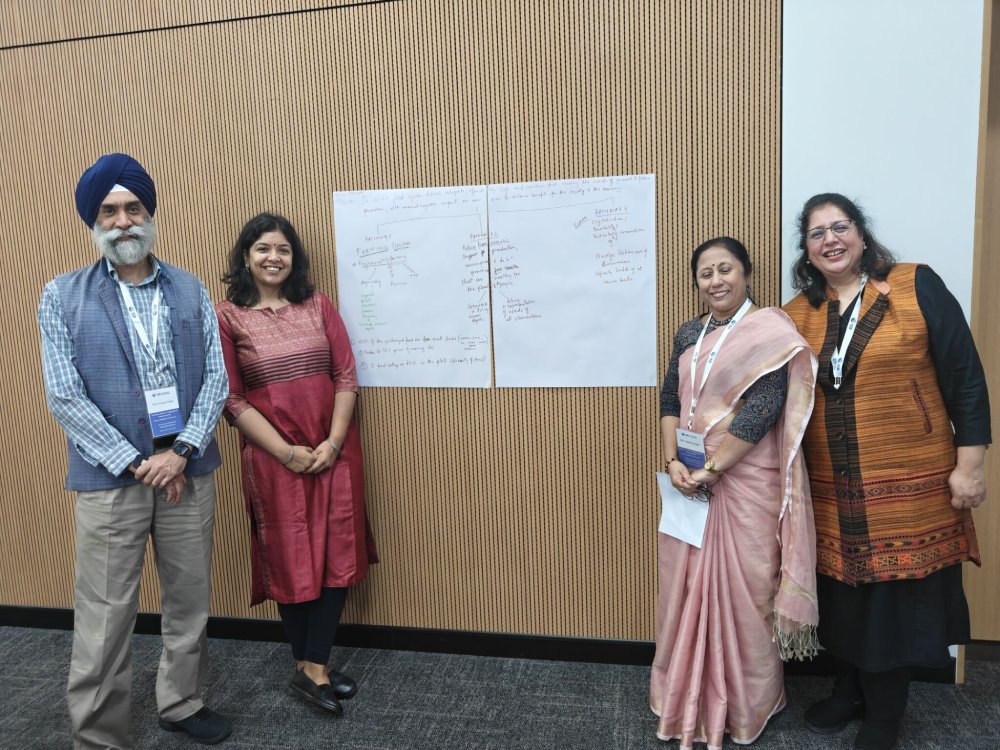
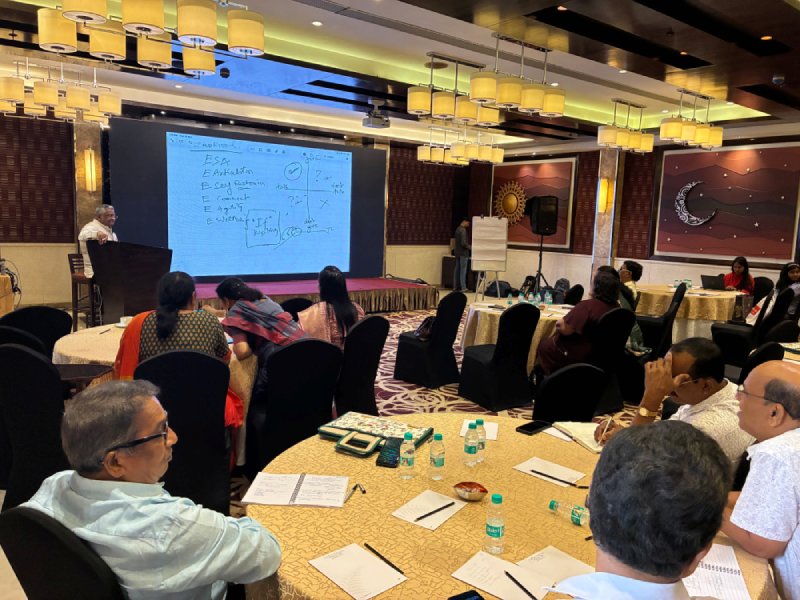
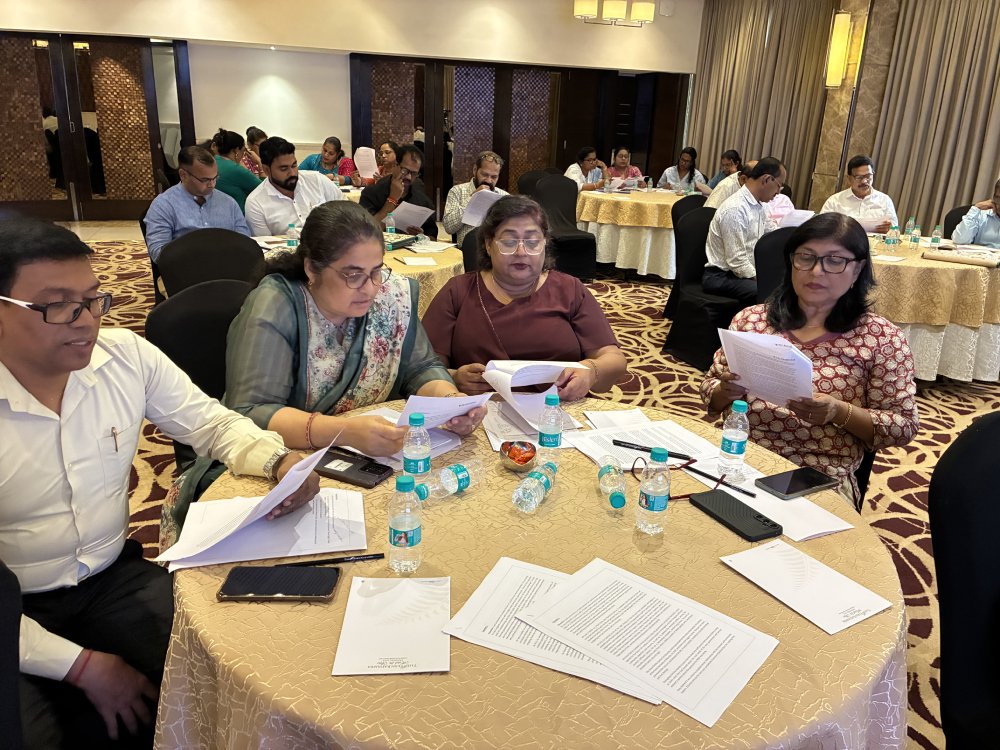
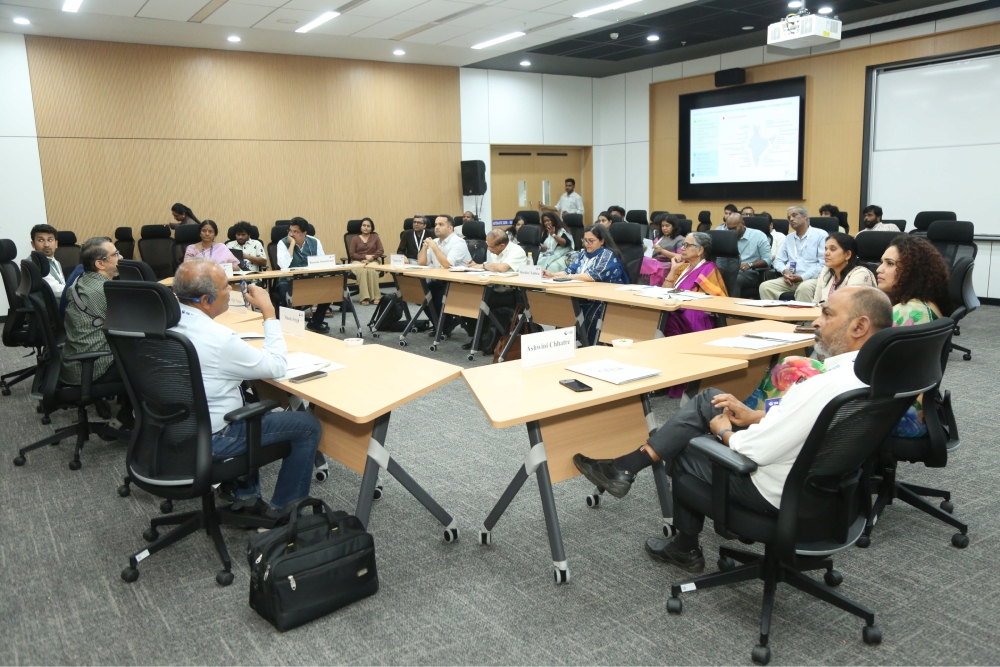
The workshop included a Knowledge Café session, wherein participants engaged in group discussions on the theme ‘Decoding India’s Food System Challenges and Opportunities.’ Focused group discussions on ‘Visioning the Future Leader and System’ were held, wherein pathways for transforming India’s food systems were explored, and key knowledge domains required to achieve this vision were identified. A strategic roadmap emerged from these deliberations, structured around four key pillars: designing a programme portfolio for food systems leadership, defining institutional roles and ecosystem architecture, strengthening delivery models and pedagogical frameworks, and ensuring scalability and long-term sustainability.

Multi-Stakeholder Workshop on Reforming Tax Policy Consultation in India

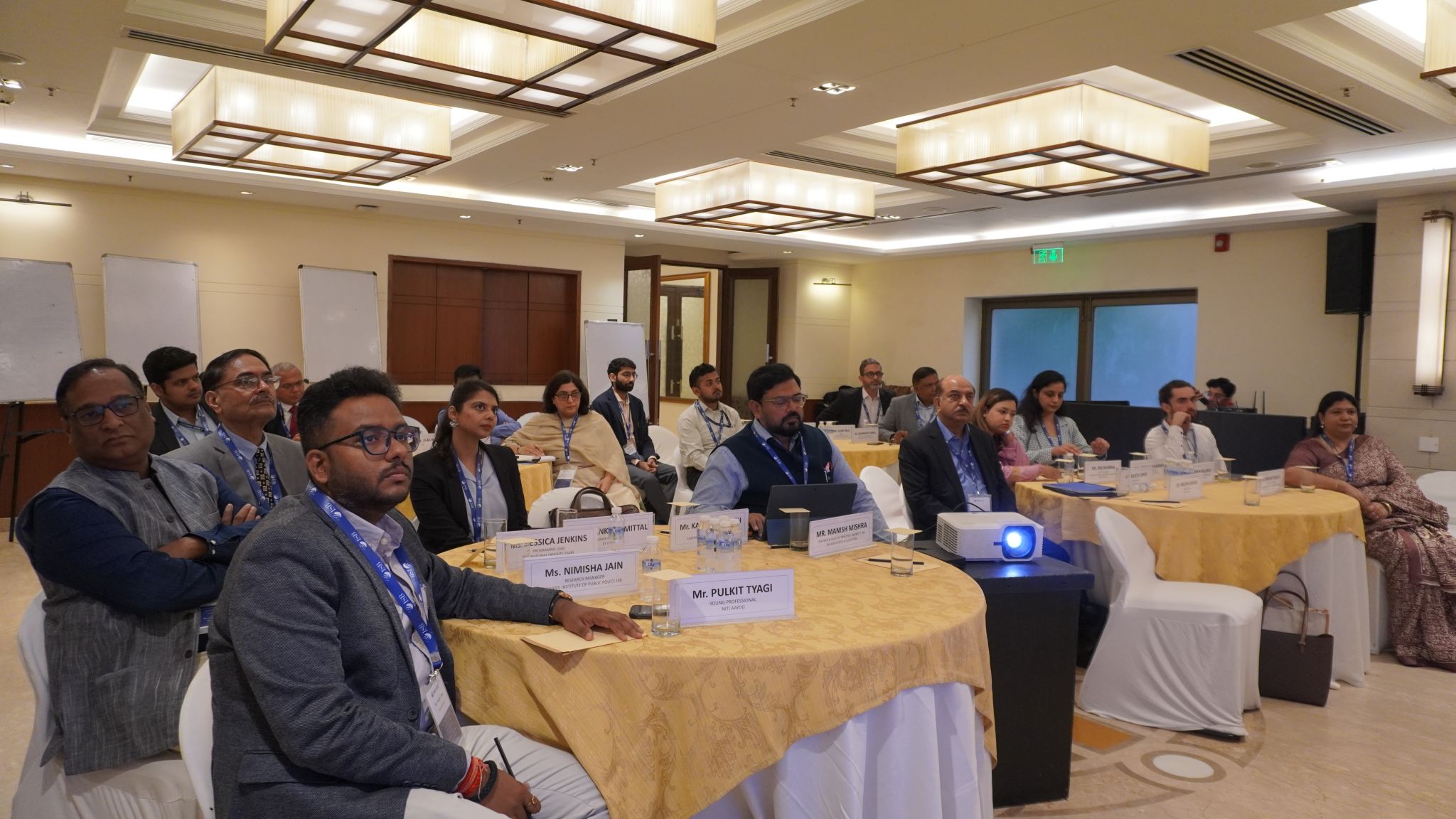
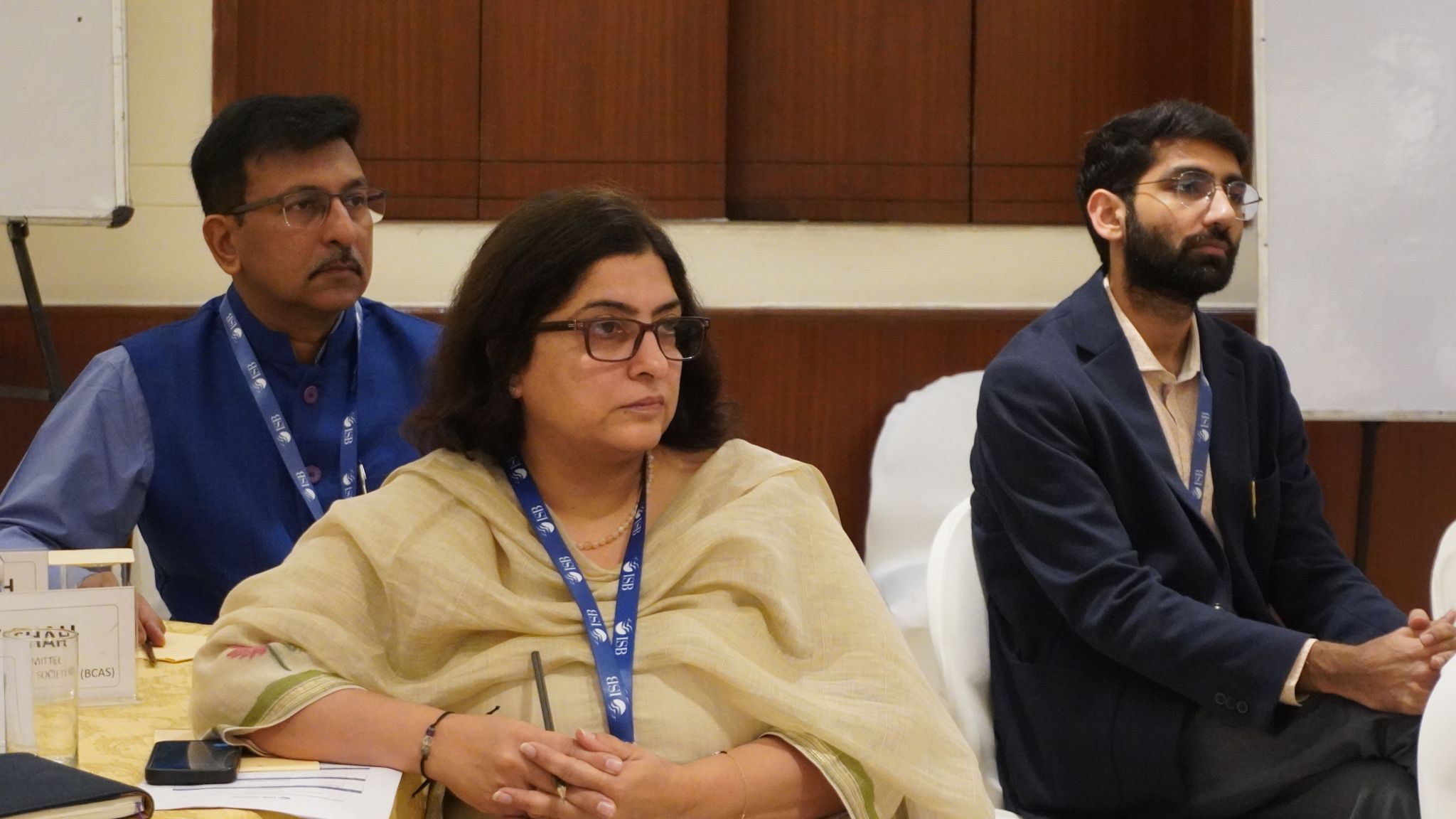
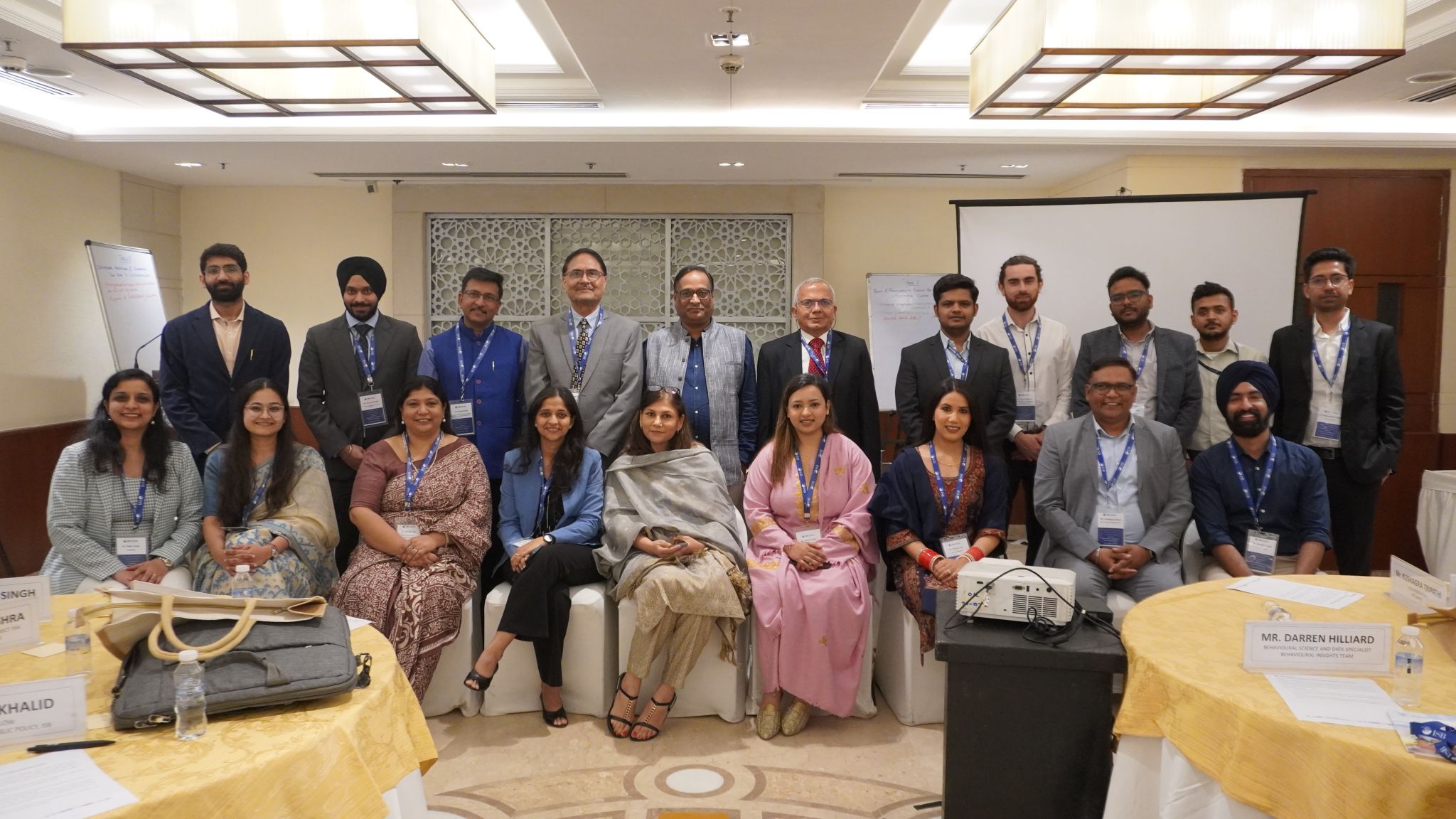
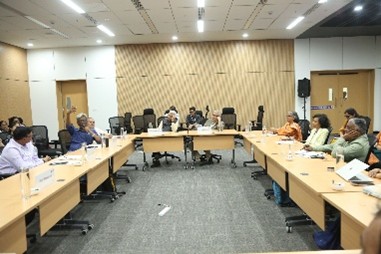
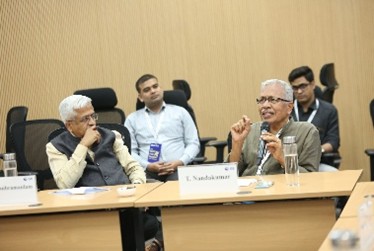
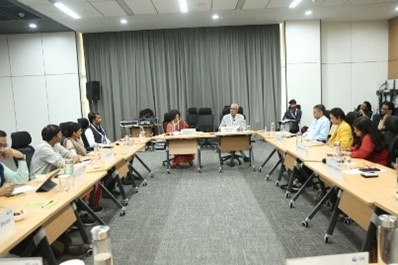
The Bharti Institute of Public Policy organised a one-day Multi-Stakeholder Workshop on Reforming Tax Policy Consultation in India on 23rd February, in New Delhi. The workshop brought together a diverse group of stakeholders, including representatives from NITI Aayog, policymakers, researchers, and industry experts, to strengthen consultative mechanisms within India’s tax governance ecosystem. The workshop was organised as part of the institute’s broader initiative to develop an India-specific framework for structured tax policy consultation, in collaboration with the Consultative Group on Tax Policy (CGTP) at NITI Aayog, to enhance transparency, inclusiveness, and effectiveness in tax policymaking.

Dr. Aarushi Jain, Policy Director and Head of Government Affairs, commenced the workshop outlining the objectives of the initiative and emphasised the growing need for formalised consultation frameworks. Dr. Pushpinder Singh Puniha, Distinguished Fellow and Chairperson of the CGTP, NITI Aayog, underscored the importance of collaborative governance and highlighted the need for robust institutional mechanisms that facilitate participatory policy formulation, ensuring that tax policies remain responsive to evolving economic realities. Hammad Bin Tarique and Arshdeep Singh, Teaching Assistants-cum-Analysts at Bharti Institute of Public Policy, presented the initiative's conceptual foundation. Prof. Anjal Prakash, Clinical Associate Professor (Research) and Research Director facilitated an interactive session, using the Knowledge Café format to encourage participatory dialogue. Dr Nikhat Khalid, Senior Research Fellow, presented a summary of key insights and recommendations, followed by a vote of thanks delivered by Saubhagya Samal, Head of PMU at Bharti Institute of Public Policy.

New Partnerships

MoU With the Government of Uttar Pradesh

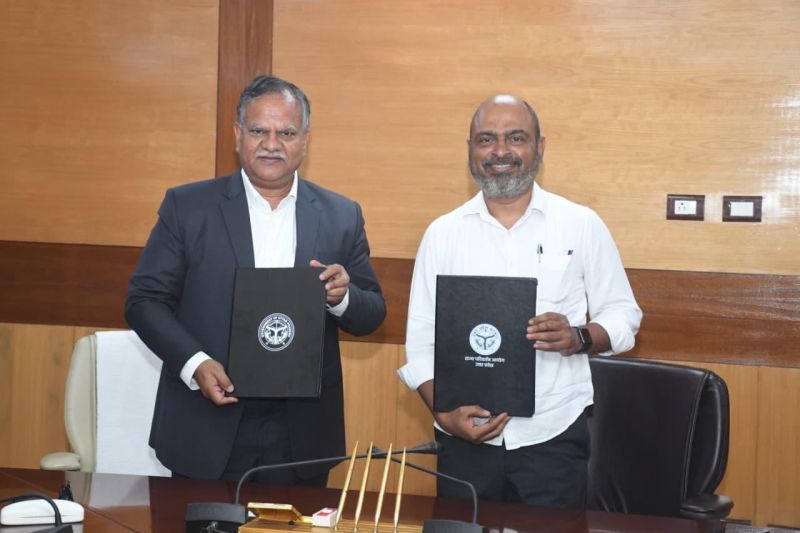
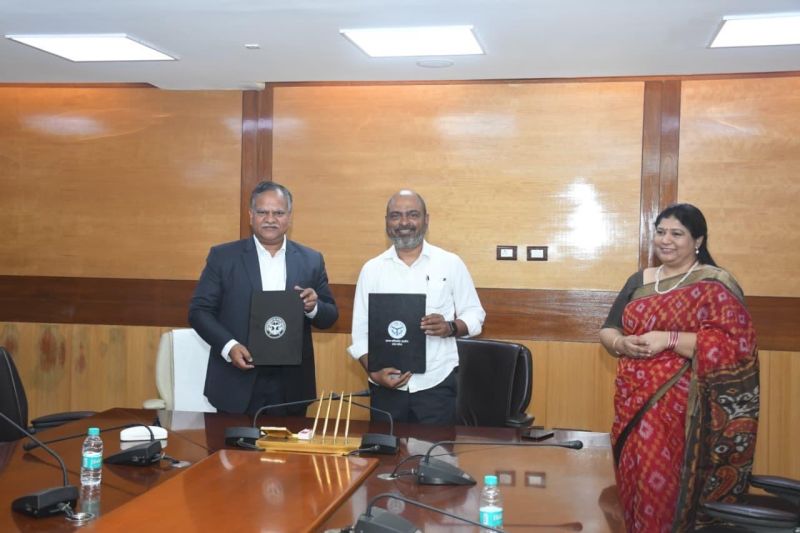
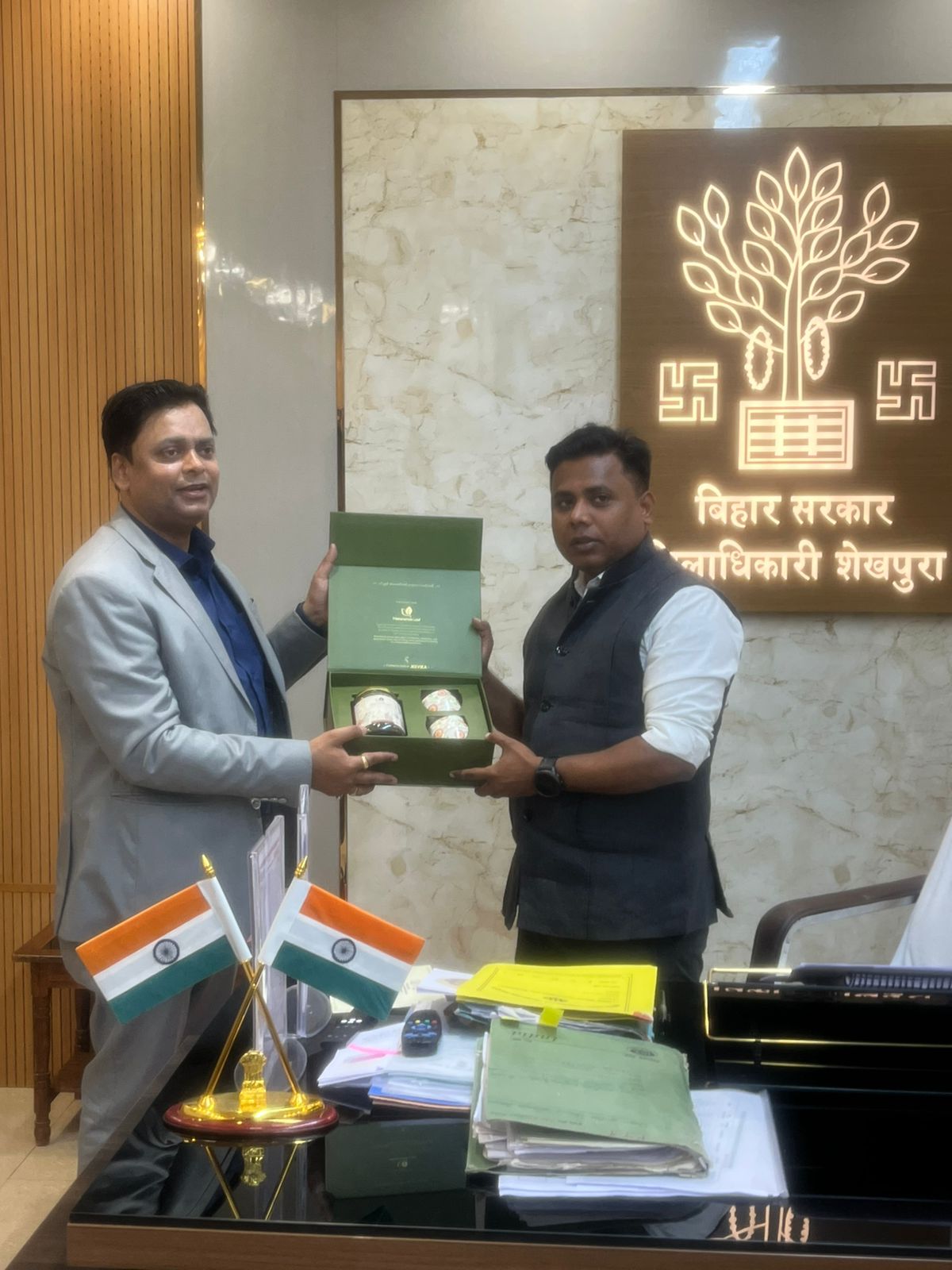
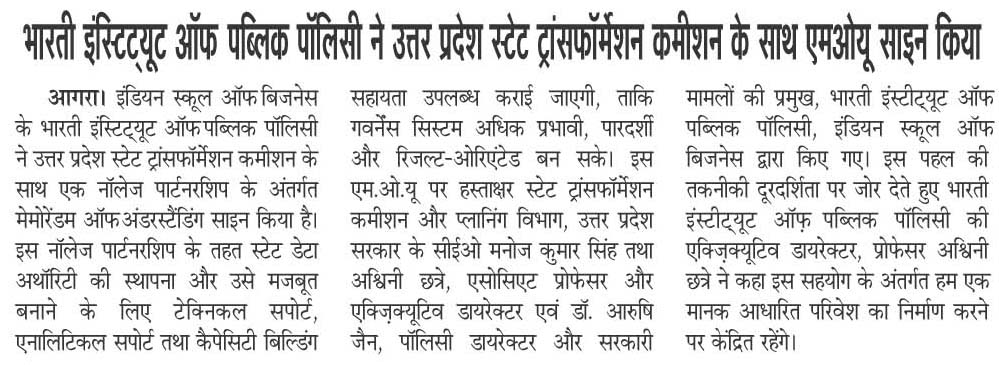
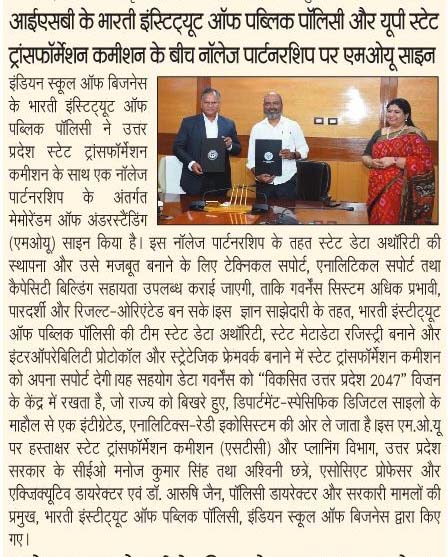
In a significant step toward strengthening data-driven governance and policymaking, the Bharti Institute of Public Policy at the Indian School of Business has signed a Memorandum of Understanding (MoU) with the Government of Uttar Pradesh. The institute will support the establishment of a State Data Authority (SDA) and enhance the institutional capacity of the State Transformation Commission (STC) to accelerate Uttar Pradesh’s transition toward becoming a $1 trillion economy by 2029. The MoU was signed in Lucknow by Manoj Kumar Singh, Chief Executive Officer, State Transformation Commission (STC), Planning Department, Government of Uttar Pradesh, and Prof. Ashwini Chhatre, Associate Professor and Executive Director, Bharti Institute of Public Policy, Indian School of Business.

The partnership will enable integrated, analytics-driven governance aligned with “Viksit Uttar Pradesh 2047,” strengthening data systems, supporting real-time decision-making, building AI-ready capabilities, improving service delivery, and enhancing accountability and institutional capacity.

MoU with the Government of Andhra Pradesh
Image

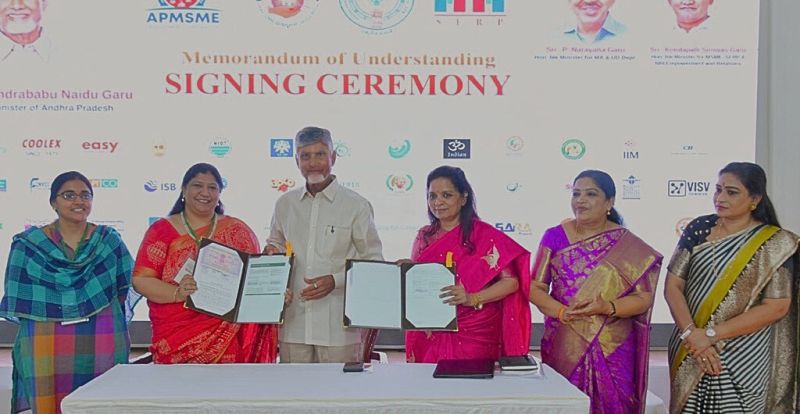
The Bharti Institute of Public Policy, Indian School of Business, signed a Memorandum of Understanding (MoU) with the Society for Elimination of Rural Poverty (SERP), Government of Andhra Pradesh, in the presence of Chief Minister Shri N. Chandrababu Naidu, Gummidi Sandhya Rani, Minister for Tribal Welfare and Women & Child Welfare, and Vangalapudi Anitha, Minister for Home Affairs and Disaster Management. The MoU was signed by Dr. Aarushi Jain and V. Karuna, CEO, SERP.

This partnership marks the launch of Velegu 2.0, a renewed phase of Andhra Pradesh’s rural poverty alleviation programme. This initiative aims to transition self-help groups (SHGs) from savings-focused collectives to wealth-generating enterprises, enabling large-scale economic participation. The collaboration focuses on strengthening institutional governance within the SERP ecosystem, financial innovation, and building AI-enabled digital platforms to support transparency, sustainability, and market linkages. By professionalising producer aggregation and facilitating access to global markets, Velegu 2.0 seeks to transform community institutions towards economic growth.

Through this partnership, Bharti Institute of Public Policy and the Government of Andhra Pradesh aim to advance evidence-based governance and inclusive rural transformation, empowering nearly 89 lakh women to become leaders of sustainable, wealth-generating enterprises.

Education

Third Residency of the Advanced Management Programme in Public Policy

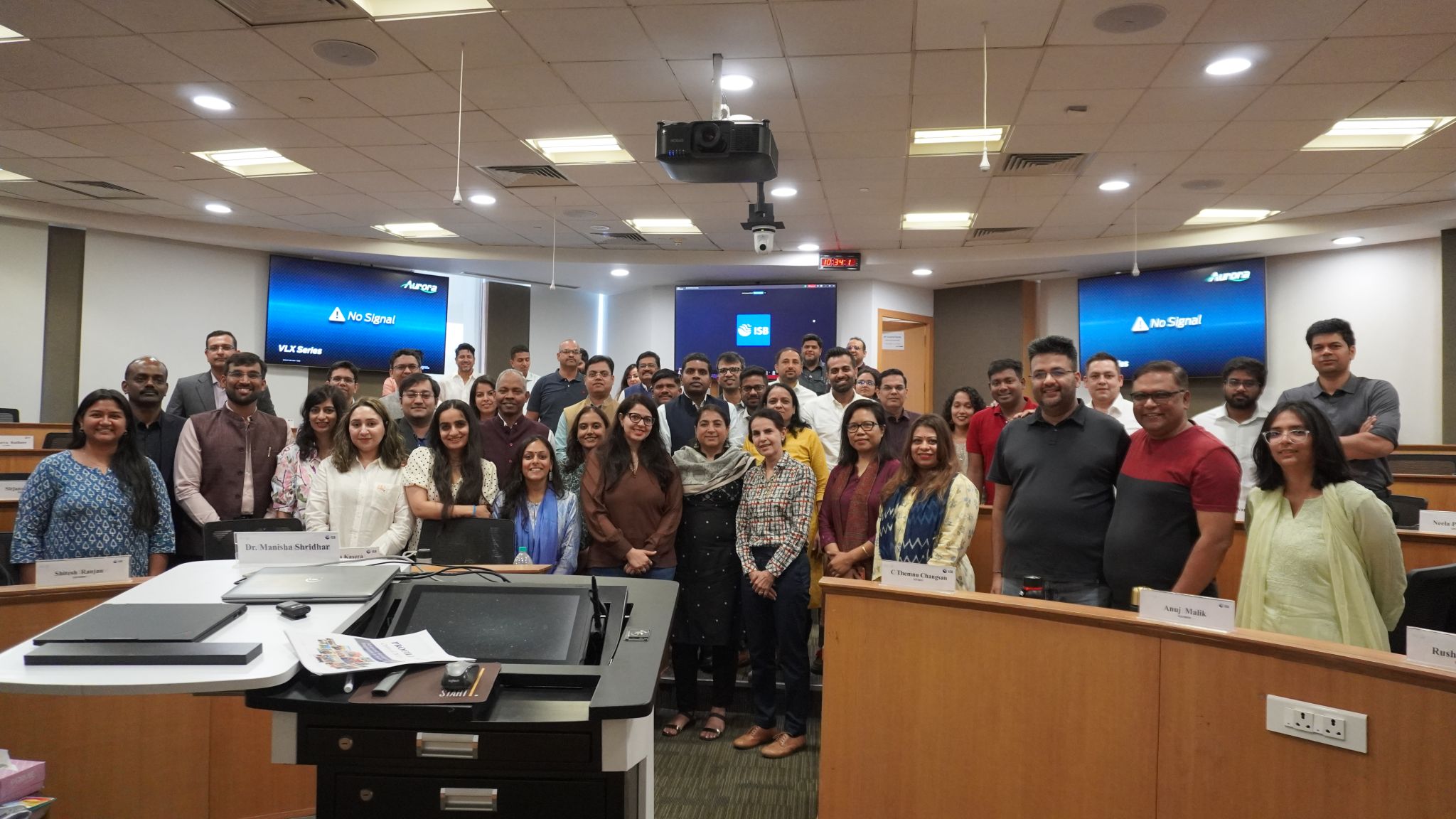
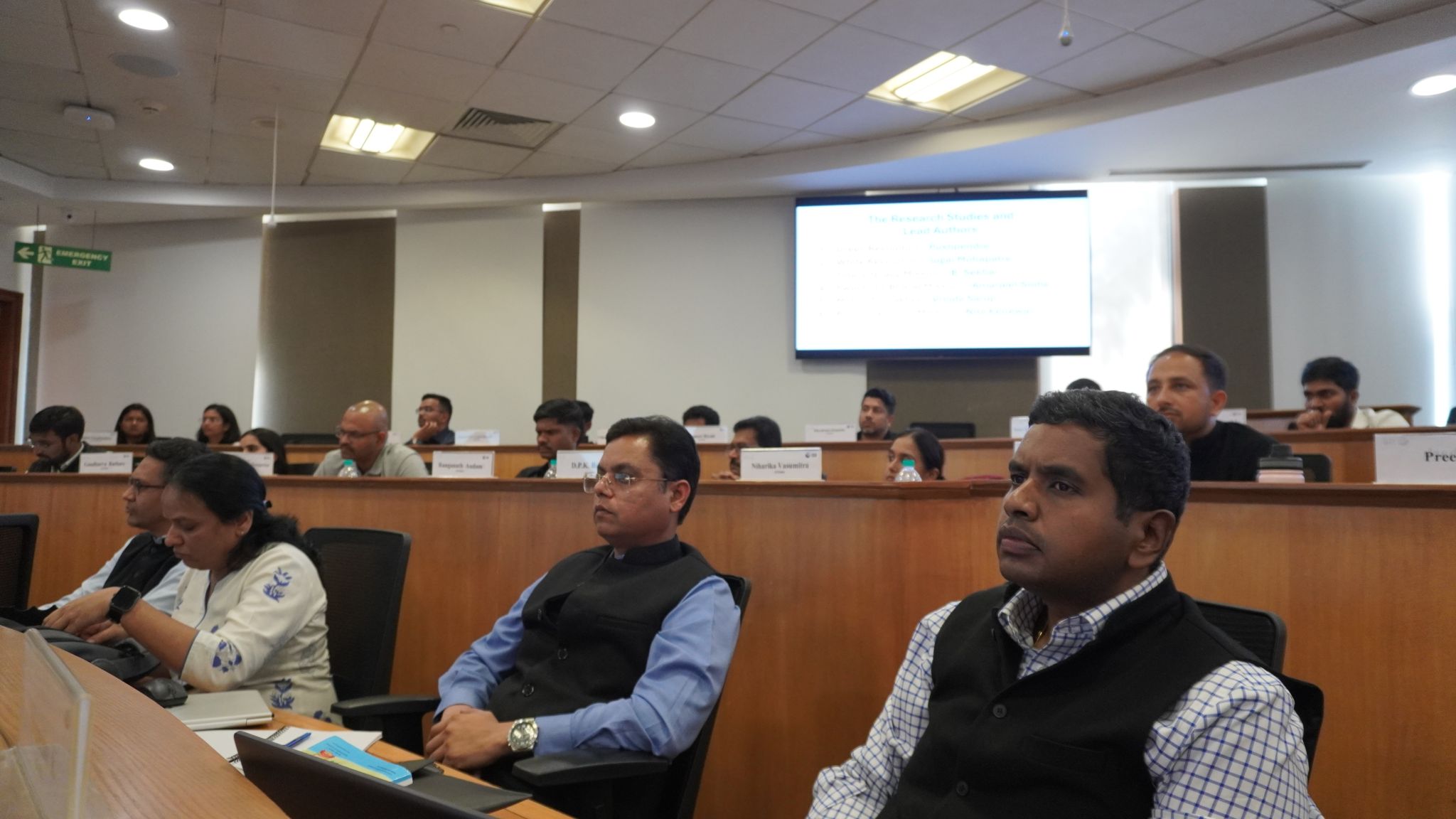
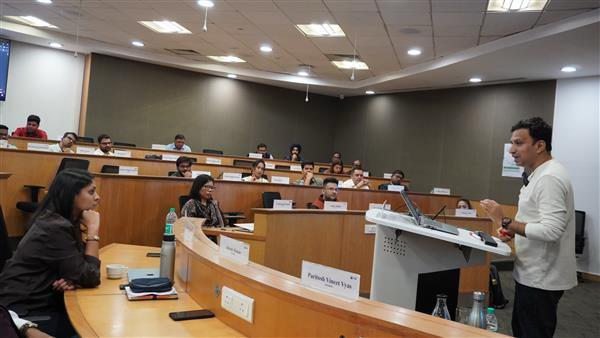
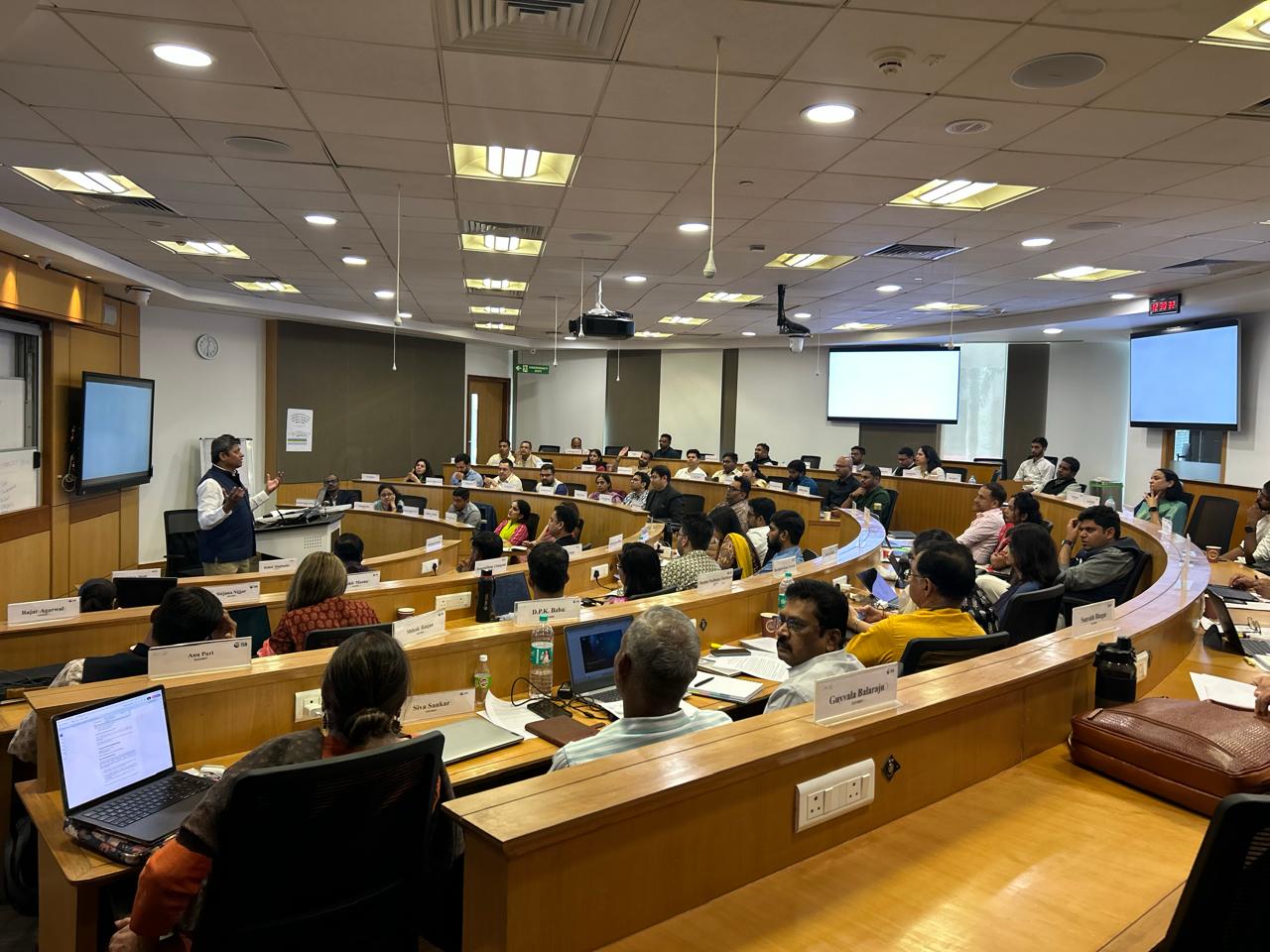
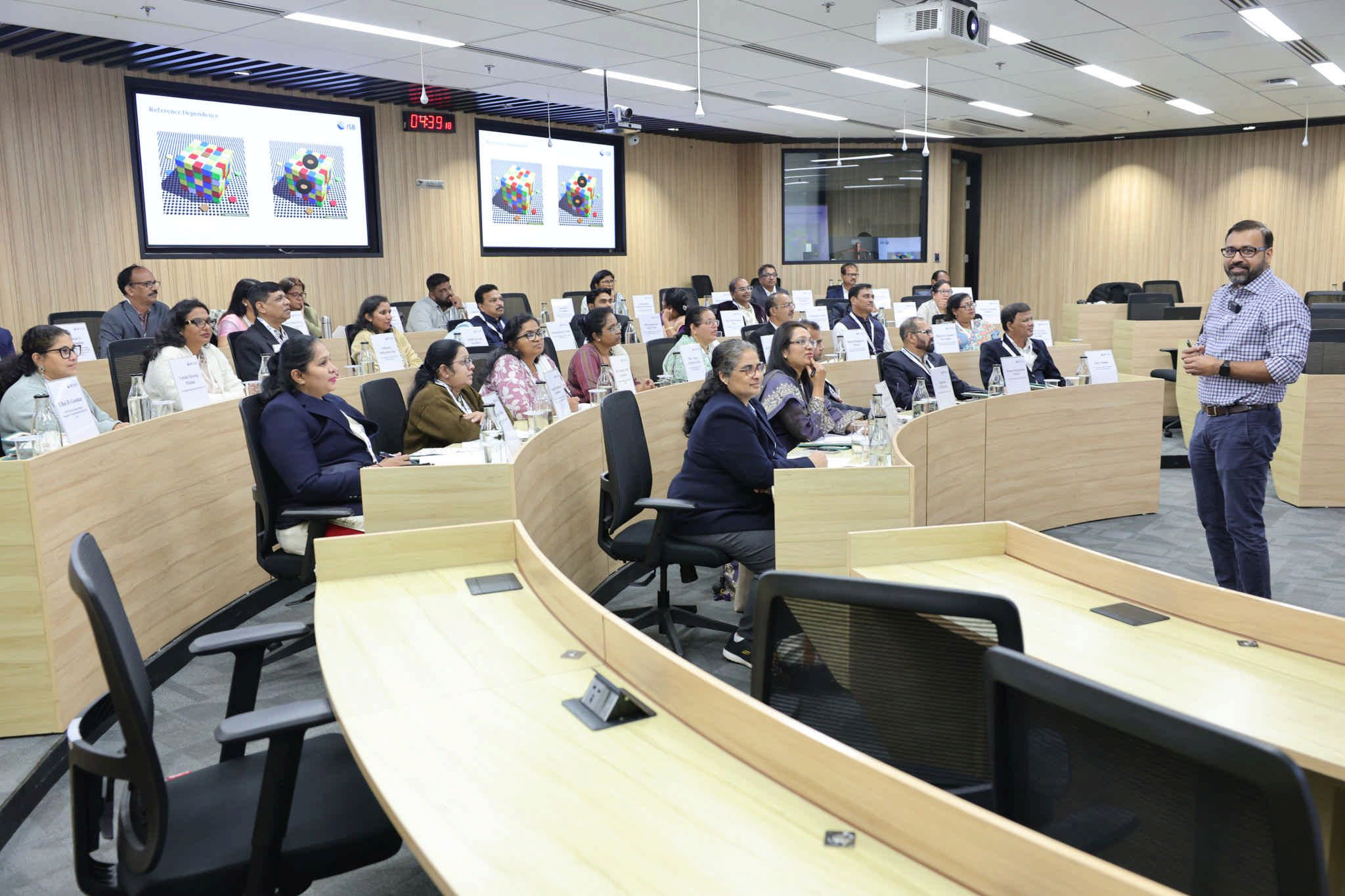
The third residency of the Advanced Management Programme in Public Policy, Cohort 2026, was held at the Indian School of Business, Mohali campus, from 6th to 15th March.

The courses and corresponding faculty details are provided below:

Course Faculty Name
Negotiations Saumya Sindhwani, Assistant Professor, Operations Management, Indian School of Business
Rural Development  Amarjeet Sinha, IAS (Retd.), Senior Fellow, Centre for Social and Economic Progress
Climate Policy and Sustainability Anjal Prakash, Clinical Associate Professor (Research) and Research Director, Bharti Institute of Public Policy, Indian School of Business
Policy Analysis and Decision-Making  M. Ramesh, Professor of Social Policy, Lee Kuan Yew School of Public Policy, National University of Singapore
Digital Economy  Ravi Shankar Chaturvedi, Global Practice Manager, Digital Economy & Society, Digital Vice Presidency, World Bank
Technology and Society Ramnath Chellappa, Professor of Information Systems & Operations Management, Goizueta Business School, Emory University
Social Policy  A. K. Shiva Kumar, Development Economist & Visiting Professor, Ashoka University & Harvard Kennedy School, Harvard University

The residency featured a series of expert-led workshops and discussions on key themes in policy, governance, and leadership:

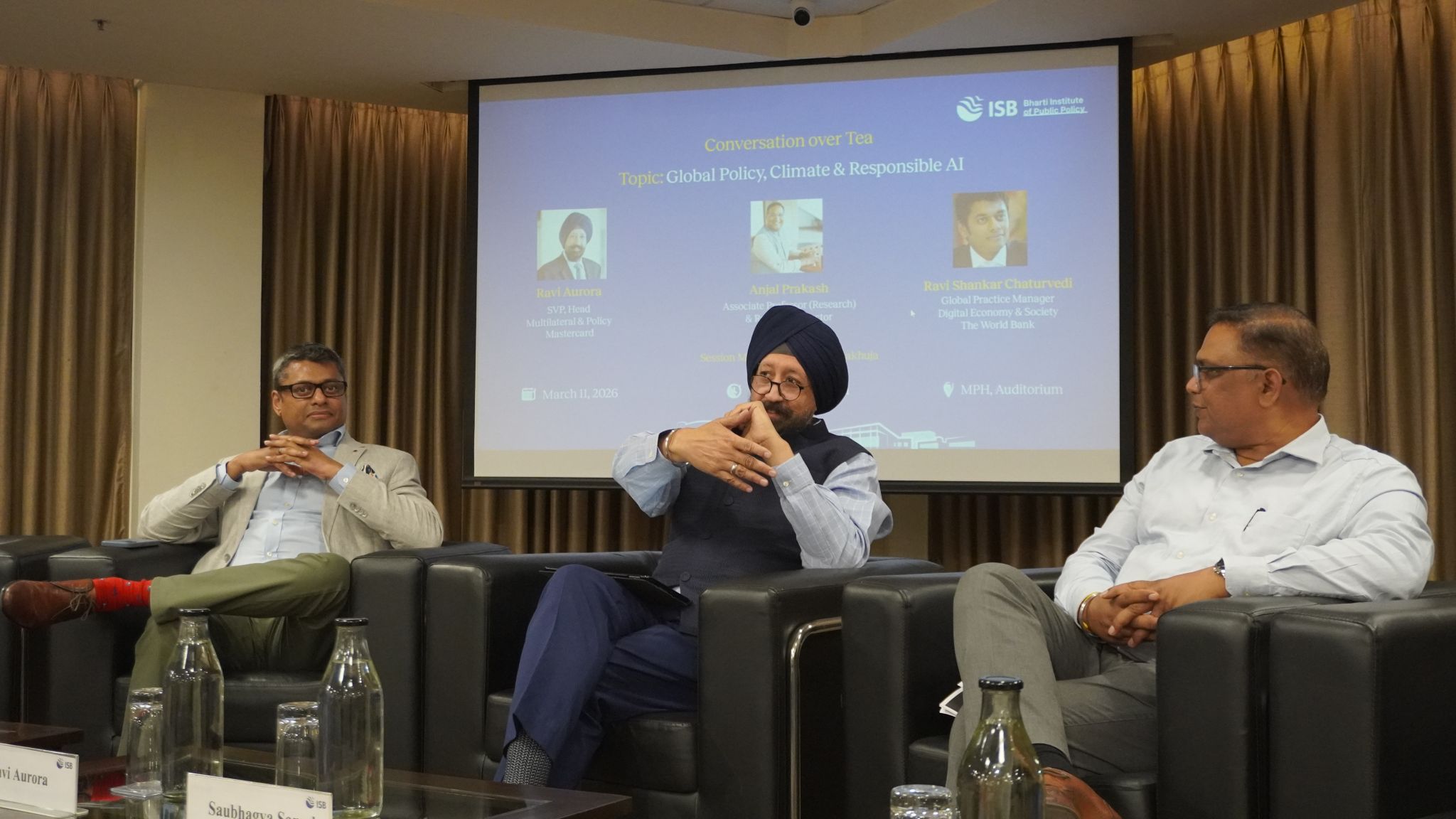
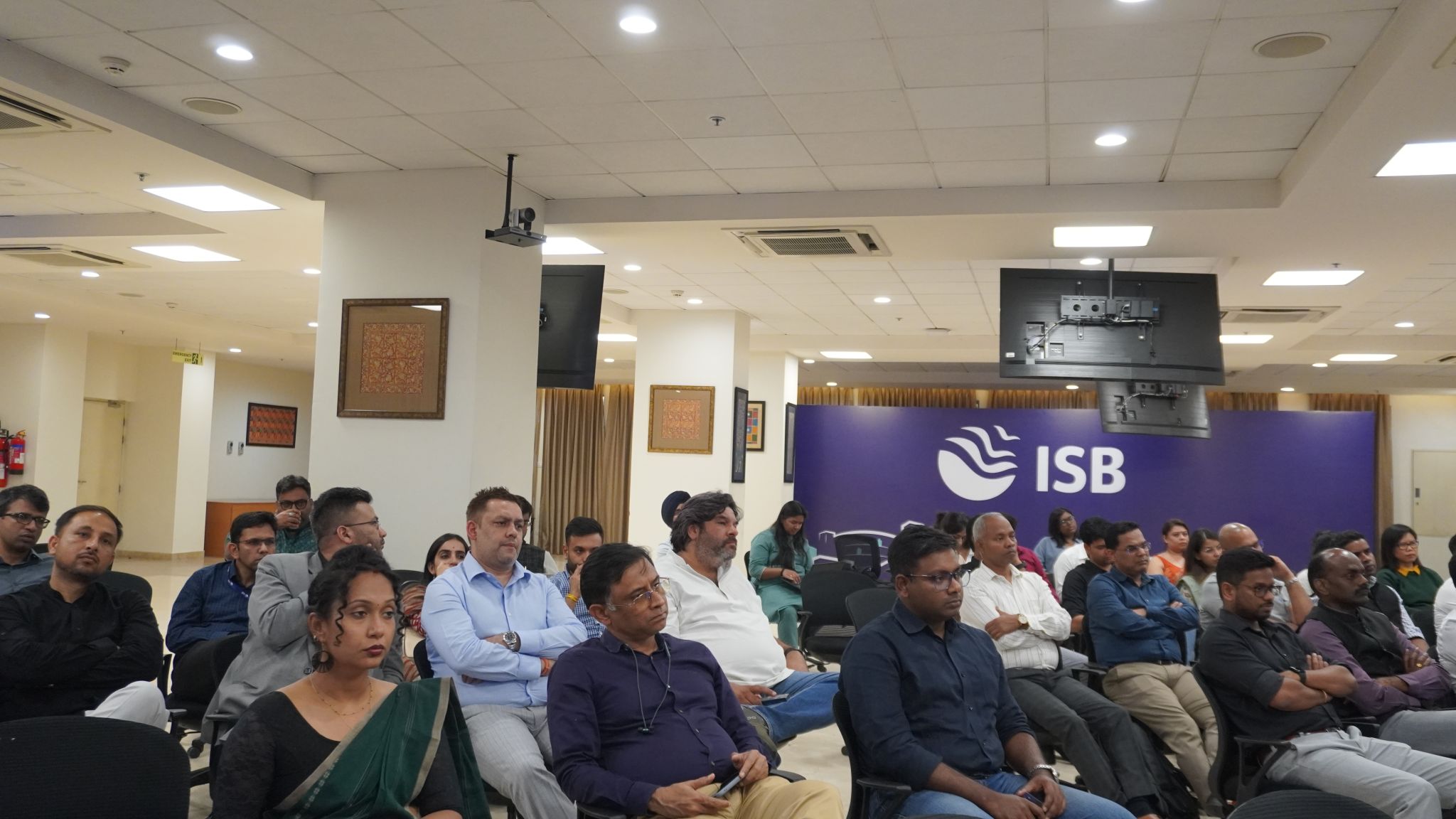
  • A special session on Global Policy, Climate & Responsible AI led by Ravi Aurora, Senior Vice President, Multilateral Institutions and International Affairs, Mastercard, and Dr. Ravi Shankar Chaturvedi, Global Practice Manager, Digital Economy & Society, World Bank, explored India’s digital transformation and the growing importance of global policy collaboration.
  • An expert talk on Economy: Data and Credit Access with Prof. Prasanna Tantri, Associate Professor of Finance and Executive Director, Centre for Analytical Finance, Indian School of Business (ISB), examined the challenges faced by low-income individuals and small entrepreneurs in accessing formal credit, despite advancements in fintech and digital data.
  • An expert talk on Triple Helix: Trade, Intellectual Property, and Universal Healthcare: Lessons from the Field led by Dr. Manisha Shridhar, Regional Advisor, World Health Organization- Southeast Asia Regional Office, WHO-SEARO, dissected the interplay of intellectual property rights (IPR), innovation, and public policy, emphasising patents and trade secrets in healthcare and pharma sector.
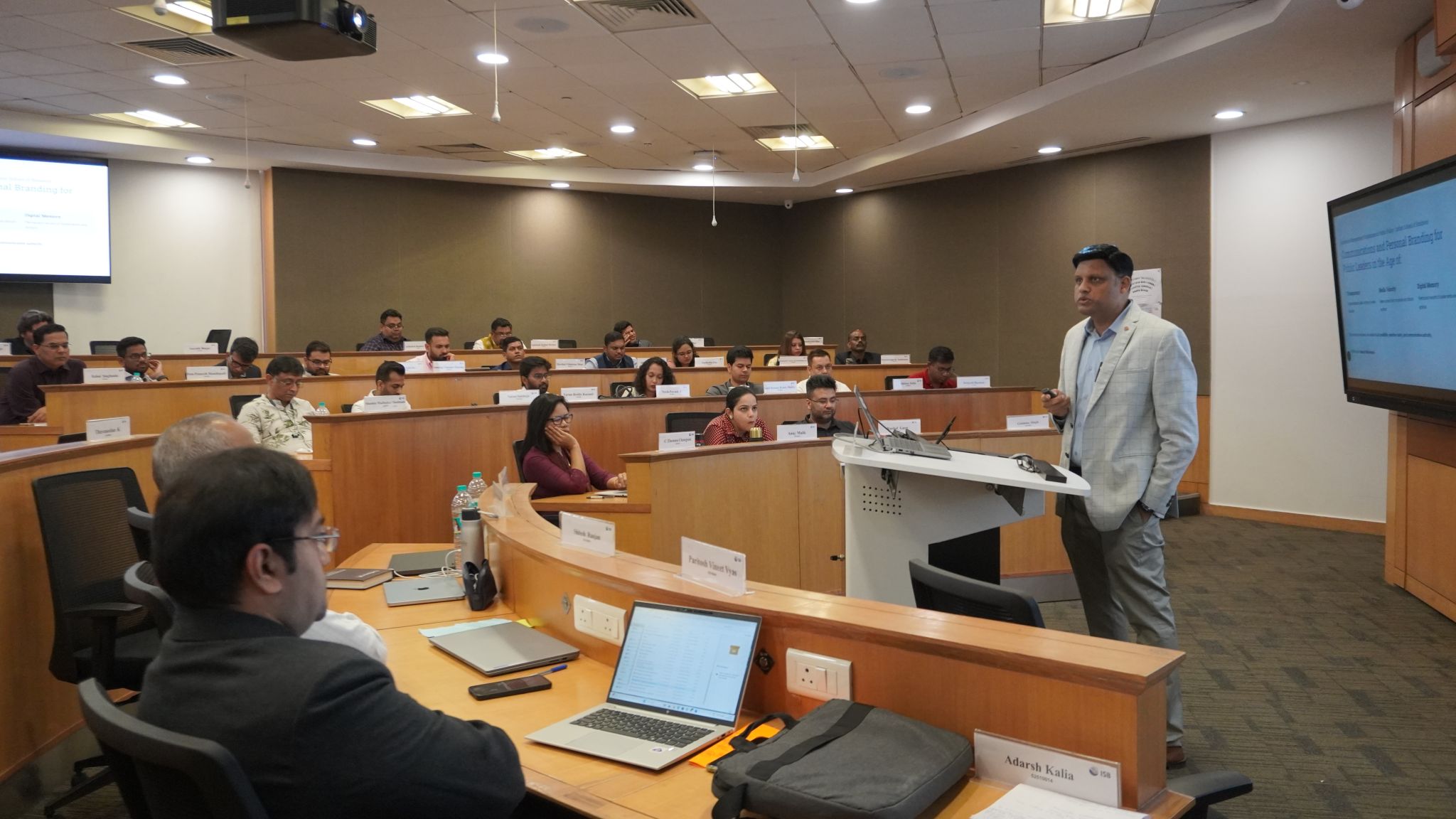
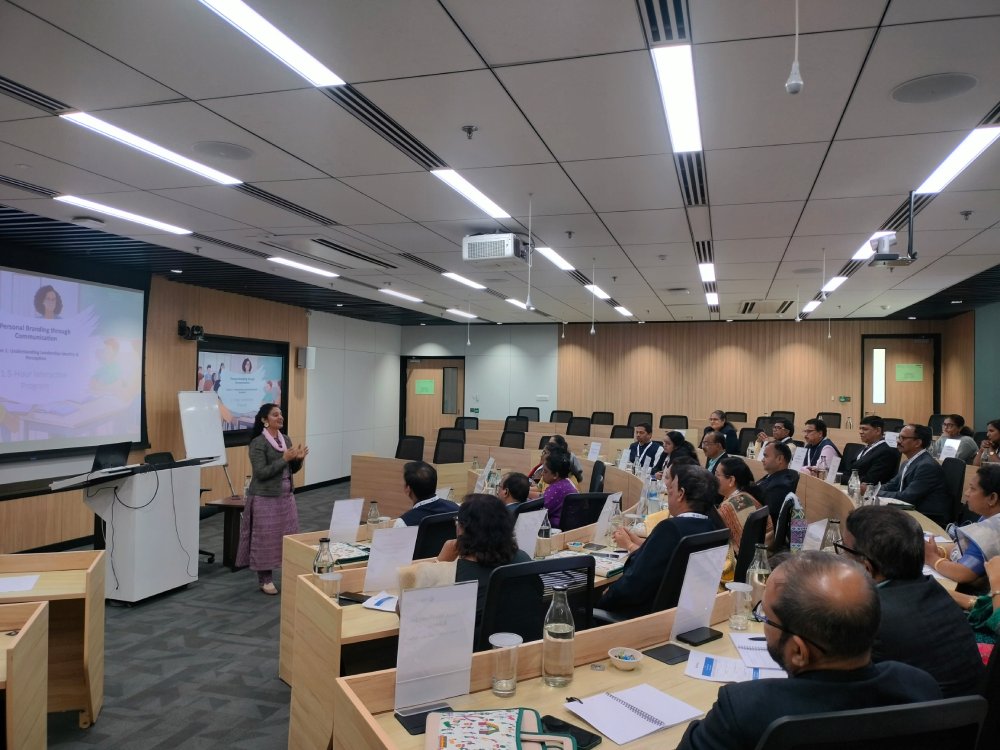
  • A session on Personal Branding for Public Leaders: Communication, Narrative, and Credibility with Manish Maheshwari, Mason Fellow, Harvard Kennedy School, and Head of Growth & Revenue, Stripe, focused on how public leaders can build credibility and communicate effectively in high-stakes environments.

A gala dinner was also organised to facilitate networking opportunities to participants outside the confines lecture halls.

UPDATES ON EXISTING PROJECTS

Development Plan for District Amritsar Under Aakanksha: District as Fulcrum of Growth
Platform for Development Research and Communication

Government Engagements

  • Government of Maharashtra
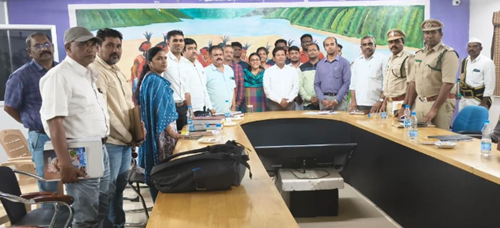
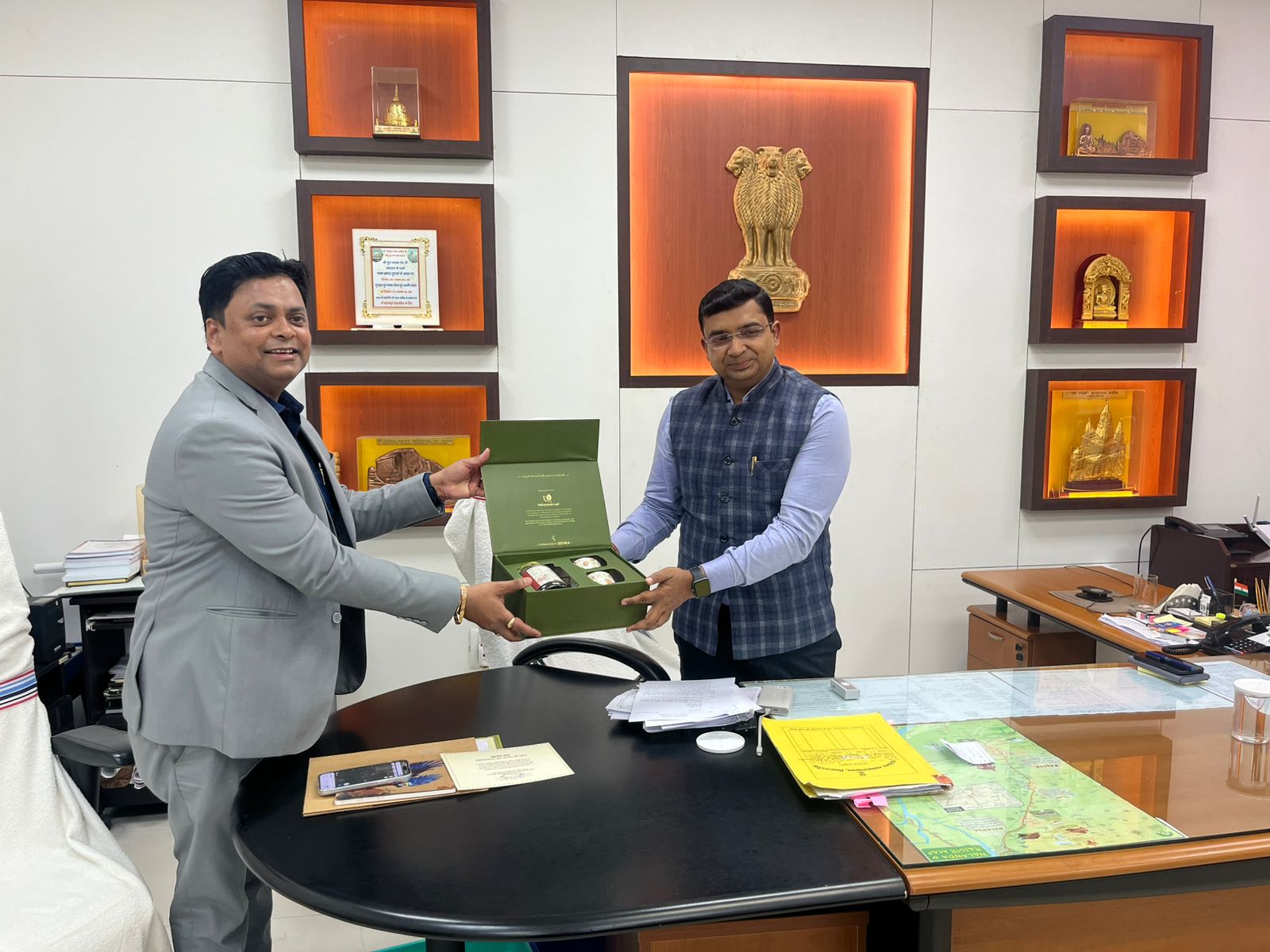
    The Bharti Institute of Public Policy, Indian School of Business, extended its collaboration with the Department of Agriculture, Government of Maharashtra, and has engaged with the M. S. Swaminathan Research Foundation (MSSRF). The new engagement aims to support key initiatives such as the Maharashtra Millet Mission, forest economy programmes, and gender-sensitive agri-food systems. As part of this engagement, Prof. Ashwini Chhatre, Associate Professor and Executive Director and Dinesh Balam, Head of Food Systems, Bharti Institute of Public Policy, Indian School of Business, held strategic discussions with senior government officials and key stakeholders in Maharashtra. The meetings included interaction with Vikas Rastogi, IAS, Additional Chief Secretary (Agriculture); Parimal Singh, IAS, Project Director of the Project on Climate Resilient Agriculture (PoCRA II); and Priya Khan, Officer on Special Duty to Devendra Fadnavis, Chief Minister of Maharashtra. The discussions also involved fellows from the M. S. Swaminathan Research Foundation and representatives from the Chief Minister’s Office
  • Government of Goa
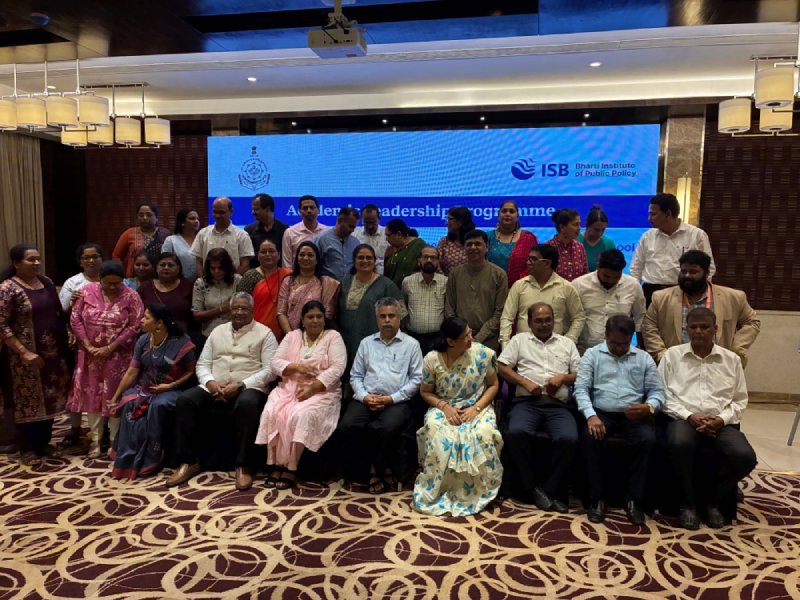
    Continuing the strong knowledge partnership between the Bharti Institute of Public Policy, Indian School of Business, and the state government of Goa, a three-phased Academic Leadership Programme (ALP) for principals of government and government aided senior secondary schools in Goa, was delivered during this quarter. Built on the collaborative partnership with the State Council of Educational Research and Training (SCERT), Goa, the programme was designed to strengthen the leadership capacities of school principals, enabling them to lead their institutions effectively in a complex and evolving education environment.
    The programme was structured across three phases, with two online foundation sessions, followed by a three-day residential module at the ISB Mohali campus, culminating in a two-day (third phase) workshop in Panaji, Goa.
    The programme addressed strategic decision-making, team building, and reflective leadership practices, delivered through a hybrid learning format.
    Key sessions included modules on motivation and leadership in a VUCA environment, strategic decision-making frameworks such as DAC (Direction, Alignment, Commitment), Cynefin, and DACI, as well as simulation-based learning through the Harvard “Patient Zero” case. The programme also featured expert-led sessions by Prof. Pranav Jindal on behavioural economics and decision-making, Prof. R. Rajeshwar Upadhyay on emotional intelligence and leadership effectiveness, and Ms. Shweta Rajput on leadership communication and personal branding. Through a combination of interactive sessions, collaborative exercises, and applied learning approaches, the programme aimed to equip participants with practical tools for institutional governance, adaptive leadership, and organisational transformation, thereby strengthening leadership effectiveness within public education systems.
    The third phase of the Academic Leadership Programme was delivered by the team led by Dr. Aarushi Jain, Policy Director and Head, Government Affairs, along with Srinjita Roy, Research Associate, and Hammad Bin Tarique, Teaching Assistant cum Analyst. The workshop brought together principals from government and government-aided senior secondary schools for a day of reflection, peer learning, and knowledge exchange.
    A key highlight of the session was the presentation of ‘Visionary School Innovation Projects’, which participants conceptualised and developed based on the specific needs and challenges of their respective school contexts. The projects spanned diverse thematic areas, including experiential learning and student enterprises, infrastructure development, digital learning and technology integration, academic support and peer learning ecosystems, sustainability and environmental initiatives, and school culture and student well-being. The initiatives demonstrated a clear shift from routine school management towards a more transformative and impact-oriented approach to educational leadership.

THOUGHT LEADERSHIP

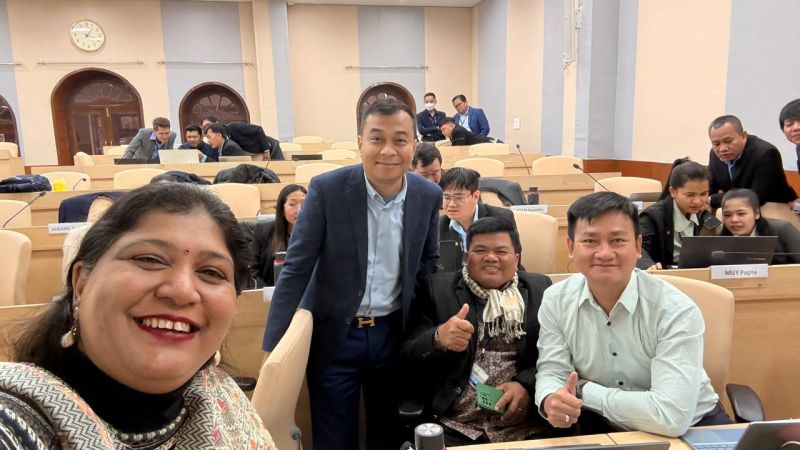
  • Dr. Aarushi Jain delivered key sessions for a cohort of Cambodian civil servants at the National Centre for Good Governance, Mussoorie, focusing on ‘Policy Design and Implementation and Governance for Institutional Building.’
  • Saubhagya Samal, Head of PMU, Bharti Institute of Public Policy, Indian School of Business participated in a panel discussion on ‘Social Infrastructure: Education and Health’ at the Chintan Shivir 2026 & Dialogue on Vision 2047, organised by the Centre for Public Policy and Good Governance (CPPGG), Department of Planning, Government of Uttarakhand.
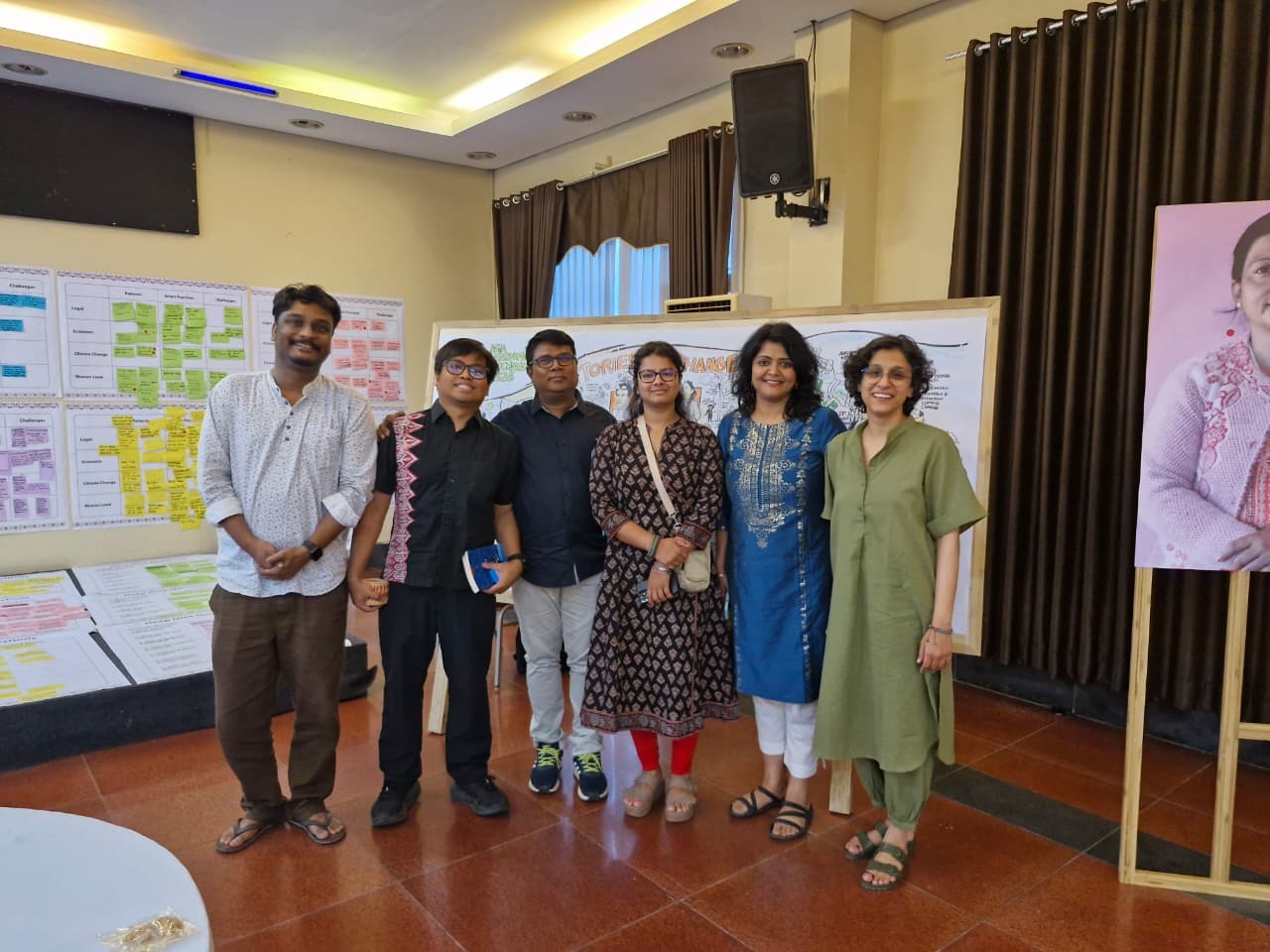
  • Kamini Singh, Lead, Community Institutional Innovations; and Neha Chakravarty, Himachal Pradesh State Coordinator, Initiative of the Forest Economy, attended the Asia Learning Exchange 2026 organised by The International Land and Forest Tenure Facility in Labuan Bajo, Indonesia. During the exchange, they shared insights from IoFE’s extensive work with women-owned, forest-based producer companies.

Research Publication & Blogs

  • Ashwini Chhatre along with his co-authors, published a research paper, titled, “BarkVisionAI: Novel Dataset for Rapid Tree Species Identification” published in Nature’s Scientific Data journal. The dataset, the largest collection of tree bark images currently available, comprises 1,56,001 images drawn from forests across India. Beyond its scale, the dataset strengthens the scientific and digital infrastructure needed for next-generation forest governance, biodiversity monitoring, and technology-enabled decision-making.
  • Ashwini Chhatre along with his co-authors, published a research study titled, “The interplay between the market food environment and barriers to healthy diets for women in rural Bihar, India”, published in Science Direct’s Health & Place journal. The paper takes a close look at the barriers keeping women in rural Bihar from accessing nutritious food, and finds the problem runs much deeper than affordability alone.

BHARTI INSTITUTE OF PUBLIC POLICY IN NEWS

Bharti Institute of Public Policy, Indian School of Business, is regularly featured in news across print and digital media. A representative list is presented below:

The third edition of the Public Policy Dialogues (PPD) 2026, held at the Indian School of Business Hyderabad Campus under the theme “Food Systems: Moving Beyond Linear Thinking,” was extensively covered in national media. Read in: The Hindu Business Line | Andhra Prabha | The Hindu Business Line | United News India | India Education Diary | Business News This Week | Business News for Profit | DD News

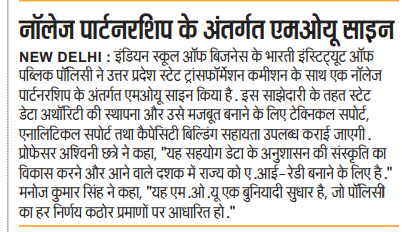
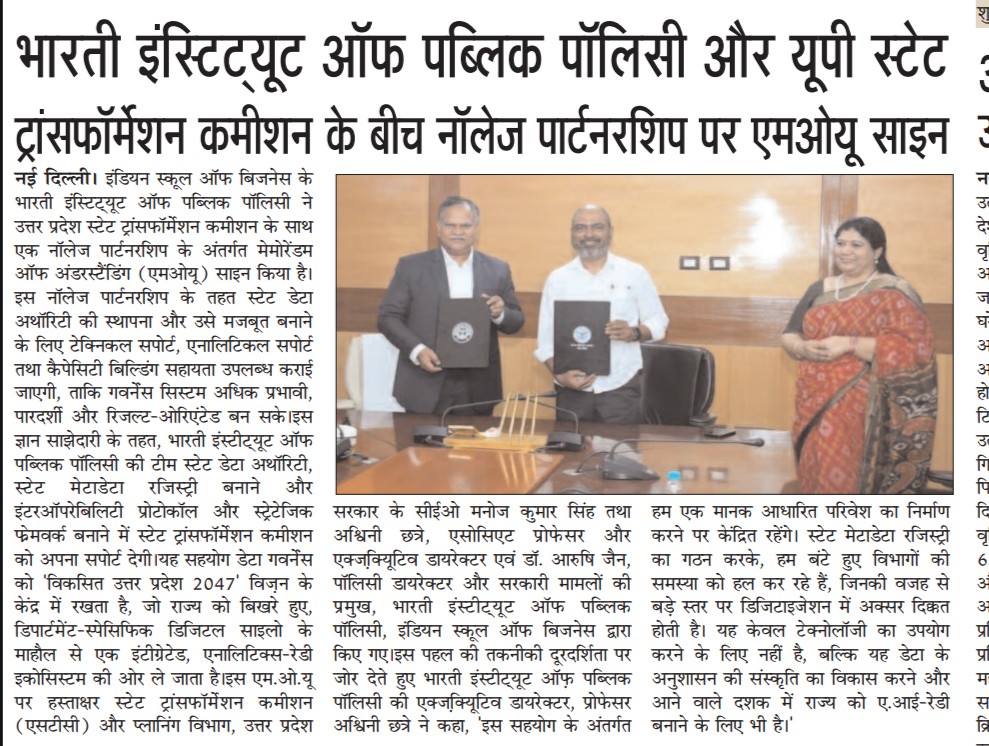
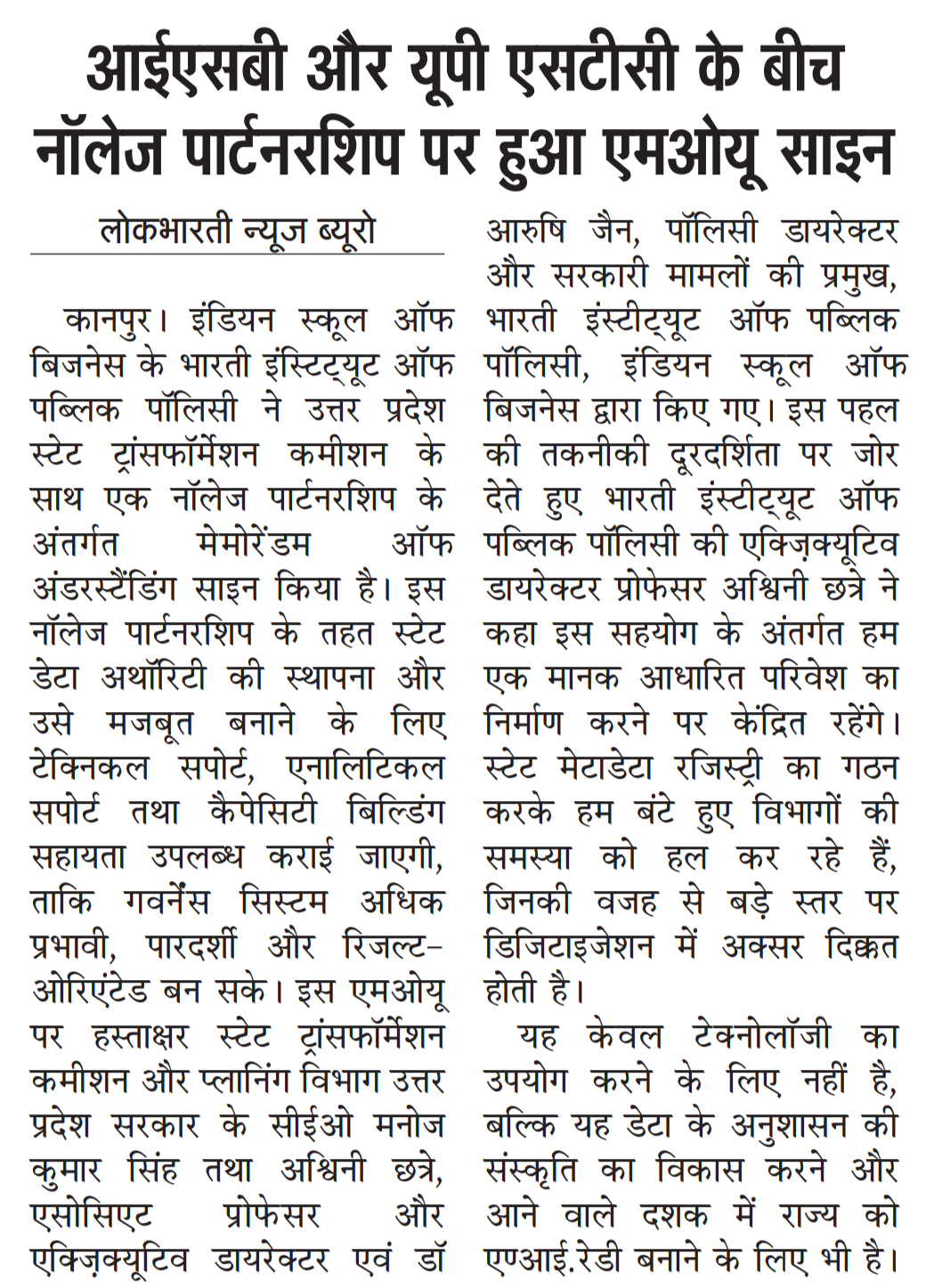
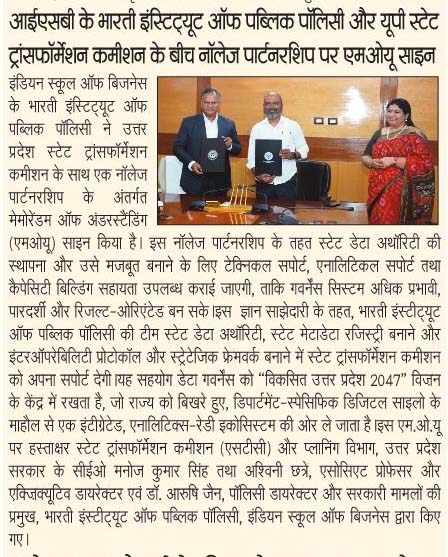
The Bharti Institute of Public Policy, Indian School of Business recently signed a Memorandum of Understanding (MoU) with the Government of Uttar Pradesh signed. The partnership aims to support the state’s transition into a $1 trillion economy by 2029 through the establishment of a State Data Authority (SDA). The partnership was widely published in vernacular media publications across UP. A representative list is provided below. Read more coverage here.

TEAM IN NEWS

Prof. Anjal Prakash published an Op-Ed in The Indian Express, titled, “Black rain over Iran: Amid bombing by US forces, a public health crisis may be looming”. Read here

Prof. Anjal Prakash and Lawrence Loh published an article in Forbes India, titled, “Why Sustainability Is Becoming a Boardroom Priority.” Read here

Prof. Anjal Prakash, along with contributing authors, published an article in Forbes India, titled, “How digital tech can transform India’s heritage tourism.” Read here

Prof. Anjal Prakash published an Op-Ed titled, “Trump’s EPA repeal: How Washington trashed 40 years of climate science.”Read here

Prof. Anjal Prakash published an Op-Ed in The Indian Express, titled, “Budget 2026 takes bold steps on climate action, but it does very little to build people’s defences”. Read here

Prof. Anjal Prakash was featured on the Eco & Energy Talk to discuss the growing crisis of Himalayan snow drought. Watch here: Himalayan Snow Drought: The Looming Crisis Explained I Eco N Energy Talk

About Bharti Institute of Public Policy
Image

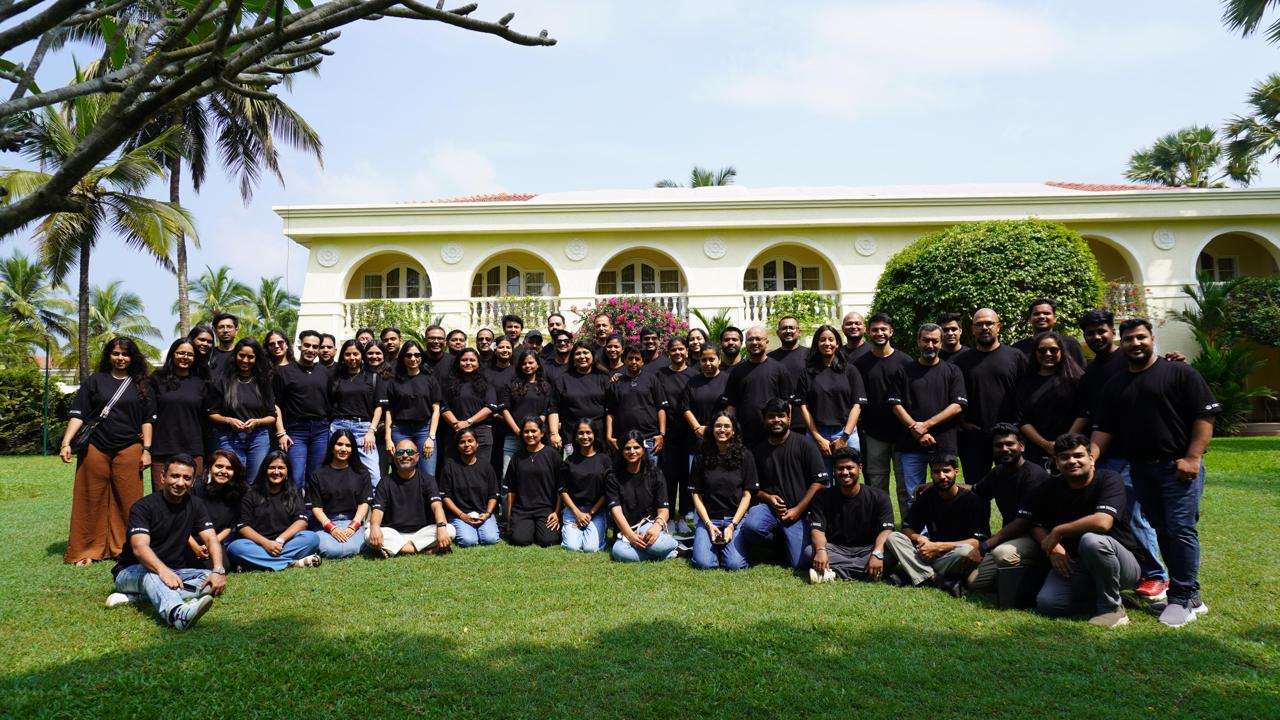
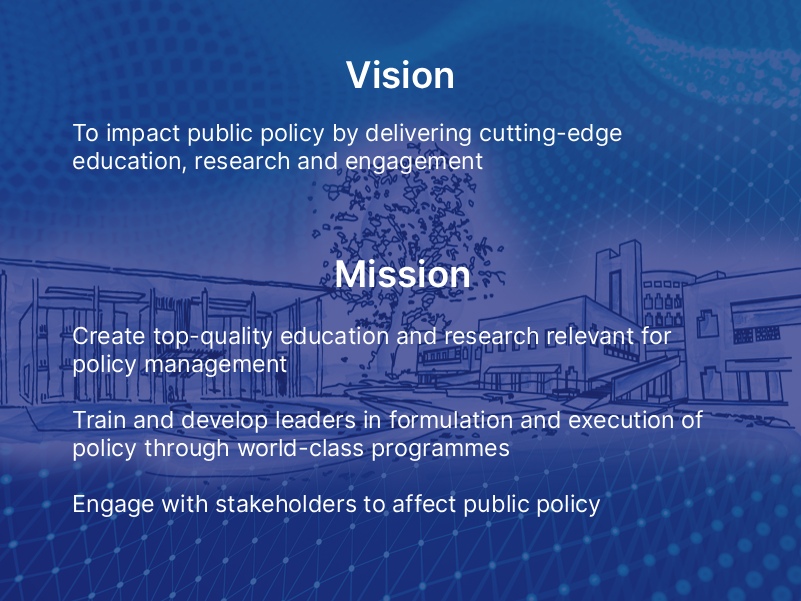
The Bharti Institute of Public Policy is an integral part of the Indian School of Business. Functioning as an independent think-tank, it works at the intersection of research and governance, bringing data-driven, evidence-based analysis to bear on policy challenges across diverse domains, primarily Agriculture & Food, Environment & Climate Change, Public Finance, Data & Technology, and Education. At the heart of this work is a team that shows up, every day, with purpose. The Institute's progress, across its programmes, collaborations, and pursuits, belongs to each of them. The road ahead is long, and we walk it together.

Compiled by: Smriti Sharma